When Stress Shows Up on Skin
You know the scenario.
A deadline moves up. Your inbox fills. Sleep gets shorter. The week gets busier.
And then, seemingly on cue, a blemish appears.
It is easy to dismiss this as coincidence, but research increasingly supports a relationship between psychological stress and acne severity. Stress is not the only cause of blemishes—acne is a complex, multifactorial condition—but it can influence several biological pathways that are already involved in breakout-prone skin.
For cosmetic formulators, that creates an interesting challenge:
How do you address oily, blemish-prone skin without creating another source of stress for the skin barrier?
🧠 Skin Can Respond to Stress
Stress activates signaling pathways throughout the body, including hormonal and inflammatory responses.
Skin is not simply a passive surface in that process.
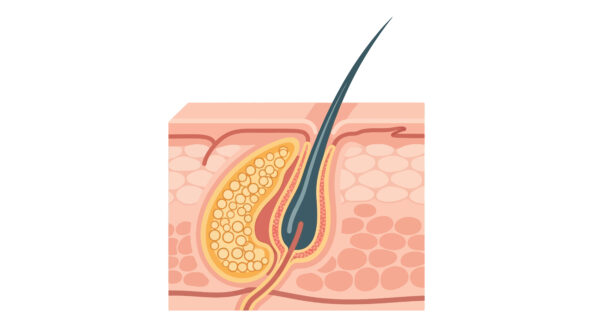
Research into acne has linked psycho-emotional stress with changes involving inflammatory signaling, sebaceous activity and other pathways associated with the pilosebaceous unit. More recent reviews continue to identify psychological stress as one of several systemic factors that may contribute to or exacerbate acne.
That doesn’t mean every stressful day creates a blemish.
It means stress can become one more variable in an already complex skin environment.
🔬 Breakouts Are More Than Excess Oil
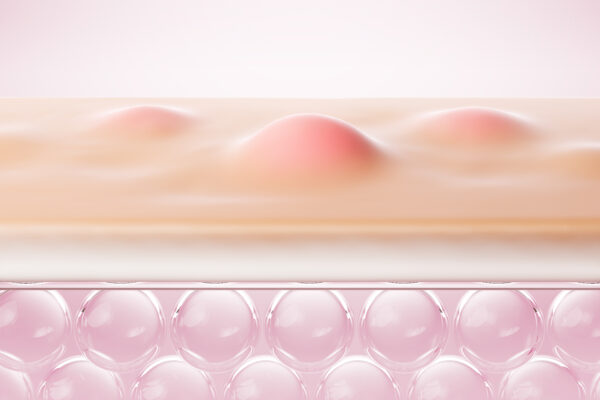
Acne-prone skin is influenced by several interconnected processes, including:
🫧 Sebum production
🧬 Follicular keratinization
🦠 Cutibacterium acnes activity
🔥 Inflammatory responses
🛡️ Skin-barrier condition
These factors interact rather than operate independently. Current research is also putting more attention on barrier dysfunction in acne-prone skin, recognizing that excessive irritation and dryness can complicate an already unstable skin environment.
That last point is especially important for formulators.
Because the answer to oily skin is not always simply to remove more oil.
⚖️ Control Without Over-Stripping
Historically, blemish-focused skincare often equated effectiveness with a strong sensory signal:
Very dry.
Very tight.
Very matte.
Very astringent.
But skin still needs functional lipids, water and an intact barrier.
Sebum itself is not inherently undesirable; it contributes to epidermal water retention and aspects of innate skin defense. The formulation challenge is therefore to address excessive or imbalanced oiliness without pushing skin toward excessive dryness or discomfort.
A more balanced approach may focus on:
✨ Reducing unwanted shine.
⚖️ Supporting balanced sebum.
🌿 Addressing visible discomfort and redness.
🦠 Supporting an appropriate skin-microbiota environment.
💧 Maintaining hydration.
🛡️ Respecting barrier function.
🦠 Microbiota Belongs in the Conversation
The relationship between acne-prone skin and Cutibacterium acnes is more nuanced than simply “bacteria are bad.”
C. acnes is part of normal skin microbiota, but differences in microbial behavior, strain composition and the surrounding skin environment can contribute to inflammatory conditions.
This is why modern formulation strategies increasingly talk about microbiota balance, rather than attempting to create a sterile skin surface.
For formulators, that can shift product development toward solutions that support the skin ecosystem while also addressing sebum and visible blemishes.
💧 Oily Skin Still Needs Hydration
One of the easiest formulation mistakes is treating “oily” and “hydrated” as opposites.
They are not.
Oil relates primarily to lipids and sebum.
Hydration relates to water.
A consumer can therefore experience oily skin and still have an impaired or dehydrated stratum corneum.
This becomes especially relevant when blemish-prone products rely heavily on cleansing, exfoliation or aggressive oil removal.
The more useful design question becomes:
Can we reduce unwanted oiliness while preserving comfortable hydration?
That can influence everything from the active system to the vehicle.
🧴 Texture Matters Too
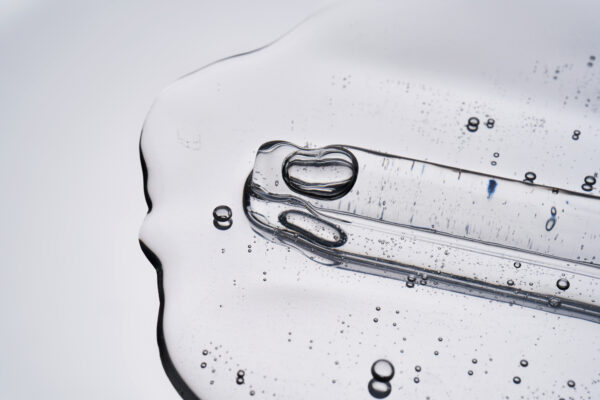
A blemish-focused product has to work biologically, but consumers also judge it immediately by feel.
For oily or breakout-prone skin, formulators may prioritize:
💦 Lightweight gels and gel-creams.
✨ Low-shine finishes.
🤲 Fast absorption.
🧴 Minimal greasy residue.
🌿 Comfortable afterfeel.
⚖️ Hydration without heaviness.
This is where sensory design becomes part of compliance. If a product feels heavy, sticky or uncomfortable, consumers are less likely to keep using it—even if the active system is well designed.
🌿 A More Balanced Blemish Strategy
Stress is only one piece of the acne puzzle.
But it helps illustrate why blemish-prone skin should not automatically be treated as skin that simply needs to be dried out.
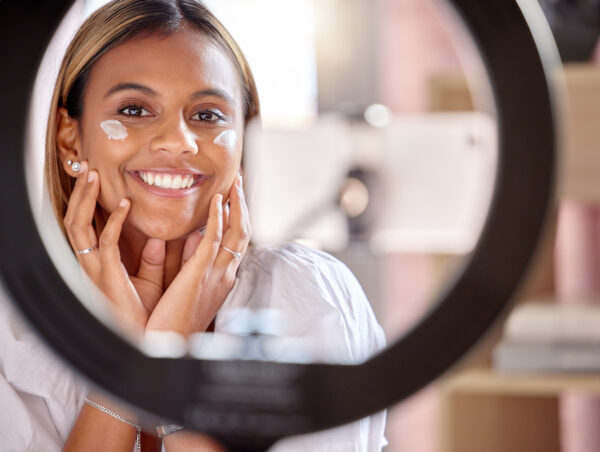
Modern formulation can instead address several needs at once:
🦠 Microbiota-conscious care.
⚖️ Sebum balance.
🔥 Skin-comfort support.
💧 Hydration.
✨ Shine control.
🛡️ Barrier-conscious formulation.
The goal is not to wage war on the skin.
It is to help restore a more balanced environment.
And on a stressful day, that may be exactly what the skin needs most.
Formulate for Better Balance
Explore ingredients and formulation support for oily, blemish-prone and combination skin concepts.
Request Formulation Support
Keep Exploring Formulation Science
Get ingredient ideas, technical insights and formulation concepts delivered directly to your inbox.
Subscribe to the Newsletter
Del Rosso, J. et al. (2024). “New Insights Into Systemic Drivers of Inflammation and Their Contributions to the Pathophysiology of Acne.” Journal of Drugs in Dermatology. View on PubMed
Yang, J. et al. (2024). “Skin Barrier Dysfunction in Acne Vulgaris: Pathogenesis and Therapeutic Approaches.” International Journal of Molecular Sciences. Read Full Text
Del Rosso, J.Q. et al. (2024). “The primary role of sebum in the pathophysiology of acne vulgaris and its therapeutic relevance in acne management.” Journal of Dermatological Treatment. View on PubMed
Alsaidan, M. et al. (2025). “Impact of Stress on the Prevalence of Acne Among Medical Students in the Middle East: A Systematic Review.” Cureus. Read Full Text
Citation Note: These resources are provided for educational reference and support the discussion of psychological stress, acne pathophysiology, sebum, inflammation and skin-barrier function. Product-specific efficacy claims should be supported separately by supplier technical documentation.