Calming Routines: Start the Day with Skin in Mind
The first few minutes of the morning can feel surprisingly crowded.
Alarm. Phone. Email. Weather. Calendar. Coffee. Commute.
Before the day has fully started, the brain may already be processing a steady stream of information. And while skincare cannot make a busy schedule disappear, there is good reason to think about stress and skin as connected systems rather than completely separate concerns.
Research has shown that psychological stress can affect epidermal barrier function. Stress-related signaling has been associated with decreased stratum corneum hydration, changes in epidermal lipids and structural proteins, and increased transepidermal water loss.
That makes the idea of a calming morning skincare routine more than a lifestyle trend. From a formulation perspective, it raises a useful question:
What should the first products of the day actually accomplish?
☀️ The Morning Is a Transition
Skin doesn’t operate independently of time.
Like many biological systems, skin follows circadian rhythms. Research has demonstrated daily fluctuations in processes including transepidermal water loss, keratinocyte proliferation, blood flow, temperature and permeability.
Morning skincare therefore represents a transition point: moving from overnight conditions into a day of environmental exposure, cleansing, cosmetics, movement and changing temperature and humidity.
That doesn’t necessarily call for a complicated routine.
In fact, it may call for something much simpler.

💧 Start with Comfort, Not Complexity
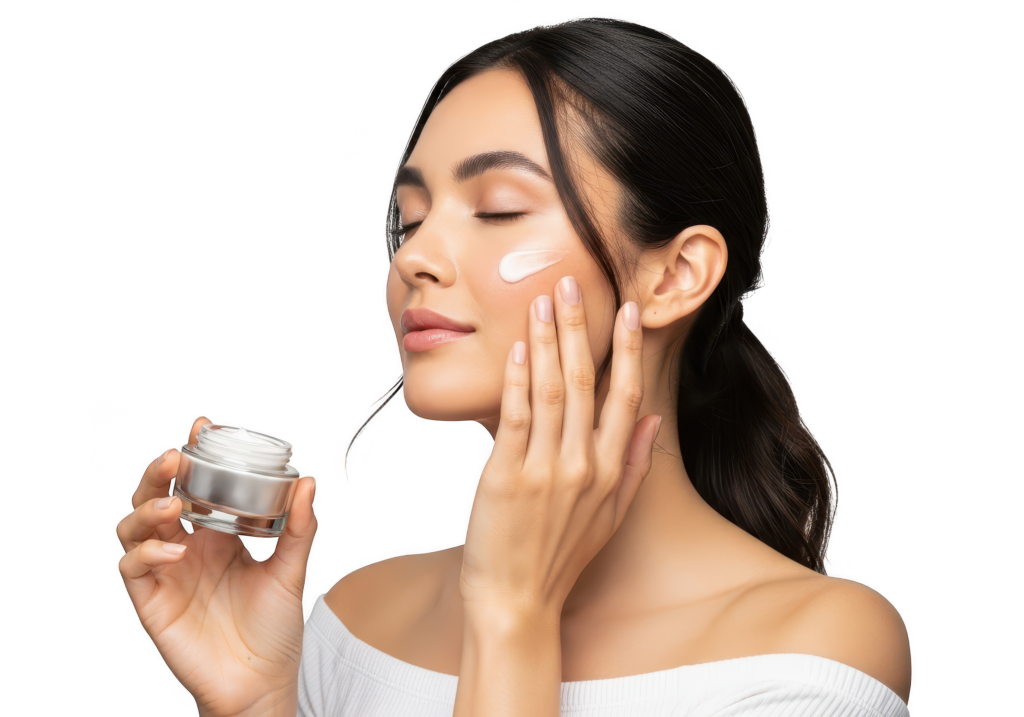
The first leave-on step after cleansing creates an opportunity to restore water, improve skin feel and prepare the surface for whatever follows.
Think:
💧 Light hydration to help support a comfortable skin feel.
🌿 Soothing support for skin that is prone to visible redness or sensitivity.
🛡️ Barrier-conscious formulation that avoids creating unnecessary irritation.
✨ Elegant sensory properties that leave skin prepared rather than coated.
🧴 Compatibility with the next step, whether that’s serum, moisturizer, sunscreen or makeup.
This is where toners, essences, mists, lightweight serums and primer-like products become particularly interesting formulation spaces.
They don’t have to do everything.
They should do the right things first.
🧠 Stress and the Skin Barrier
The connection between psychological stress and skin has become an active area of research.
One evidence-based review evaluated 21 studies examining stress and epidermal barrier function. The researchers reported associations between psychological stress and reduced epidermal lipid and structural protein production, lower stratum corneum hydration and increased transepidermal water loss.
Other research points toward cortisol and the hypothalamic-pituitary-adrenal axis as part of this relationship. Human skin itself also contains elements of a localized stress-response system.
For formulators, that doesn’t mean a toner is a stress treatment.
It means skin experiencing stress is a relevant formulation condition.
Comfort, hydration, barrier support and reduced irritation all become logical design objectives.
🌿 Rethinking the Toner
Toners have changed considerably from the aggressively astringent products many consumers remember.
A modern toner can serve as a lightweight delivery system designed to:
💧 Add immediate hydration after cleansing.
🌿 Deliver soothing or skin-comforting ingredients.
✨ Create a refreshed, clean sensory experience.
🧴 Prepare the skin for subsequent products.
⚖️ Support a balanced feel without leaving skin tight or stripped.
That distinction matters.
The sensation of very tight skin after cleansing or toning isn’t necessarily evidence that a product is working better. For a calming-routine concept, formulators can instead focus on a clean, fresh finish that doesn’t rely on excessive stripping.
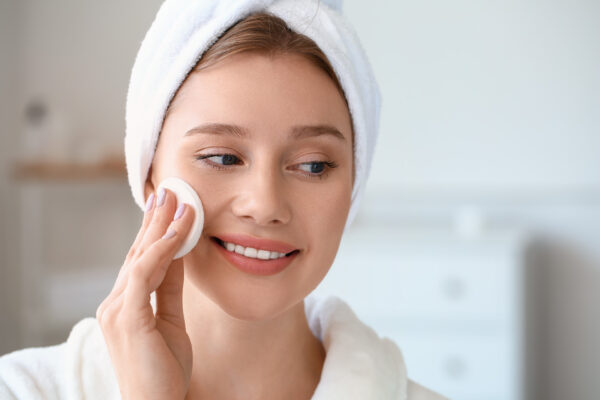
✨ Primers Can Play the Same Role
The same philosophy extends into primers and skincare-makeup hybrids.
A primer is often judged by what happens after application:
Does makeup spread evenly?
Does skin feel smooth?
Is there tack?
Does the product pill?
Does shine appear too quickly?
Does the skin feel dry several hours later?
A modern morning primer can therefore bridge skincare and makeup by combining lightweight hydration, sensory modification and preparation of the skin surface.
Instead of adding another complicated step, it can make an existing step work harder.
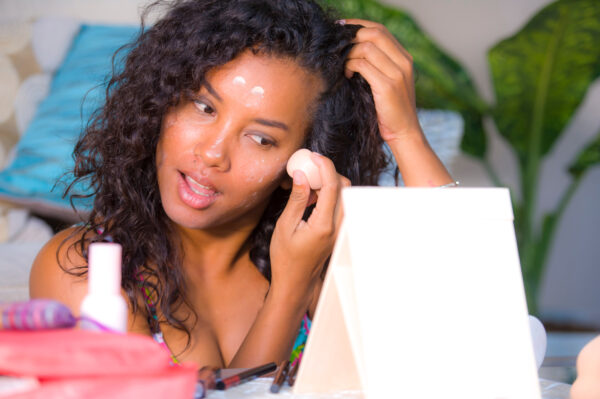
🧴 Formulate for the Routine, Not Just the Jar
Morning products rarely exist alone.
A toner may be followed by serum.
A serum may be followed by moisturizer.
Moisturizer may be followed by sunscreen.
Sunscreen may be followed by primer and makeup.
That makes layering behavior part of formulation performance.
When developing the first steps of a morning routine, formulators should consider:
🧪 Residue: Does the formula leave behind material that interferes with the next product?
💦 Hydration: Does it improve comfort without creating excessive tack?
🤲 Spread: Can the next layer move easily across the skin?
⚡ Absorption profile: Does the consumer have to wait before continuing?
🔄 Compatibility: Does repeated layering lead to rolling, pilling or uneven application?
A successful morning product doesn’t simply perform well by itself.
It helps create a better system.
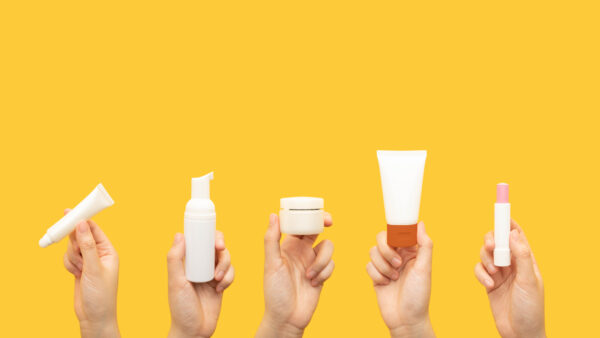
🌤️ A More Intentional First Step
There’s an appealing simplicity to the idea.
You can’t control everything the day is going to deliver.
You can control how you formulate the first step.
For cosmetic developers, calming routines offer an opportunity to combine skin science with consumer experience: gentle hydration, barrier-conscious care, soothing support, elegant sensory properties and compatibility with the rest of the routine.
The goal isn’t to make mornings longer.
It’s to make those first products more purposeful.
Build a Better First Step
Creating a toner, serum, primer or morning-care formula? Explore ingredients and formulation support for comfortable, layered skincare.
Request Formulation Support
More Formulation Insights
Get ingredient ideas, formulation concepts and technical insights delivered directly to your inbox.
Subscribe to the Newsletter
Maarouf, M. et al. (2019). “The impact of stress on epidermal barrier function: an evidence-based review.” British Journal of Dermatology. View on PubMed
Choe, S.J. et al. (2018). “Psychological Stress Deteriorates Skin Barrier Function by Activating 11β-Hydroxysteroid Dehydrogenase 1 and the HPA Axis.” Scientific Reports. Read Full Text
Lyons, A.B. et al. (2019). “Circadian Rhythm and the Skin: A Review of the Literature.” Journal of Clinical and Aesthetic Dermatology. Read Full Text
Arck, P.C. et al. (2006). “Neuroimmunology of Stress: Skin Takes Center Stage.” Journal of Investigative Dermatology. Read Full Text
Citation Note: These resources are provided for educational reference and support the discussion of psychological stress, skin barrier function, circadian biology, and skin stress-response pathways. Product-specific efficacy claims should be supported separately by supplier technical documentation.