Nighttime Routines: Formulating the Steps Before Sleep
Nighttime beauty is often reduced to one idea: apply a night cream and go to bed.
But from a formulation perspective, the routine starts much earlier.
What is removed, what remains, how the skin barrier is treated, and what is left on the skin or hair for several hours all contribute to the overnight experience.
That makes the nighttime routine less about one hero product and more about how each step prepares for the next.
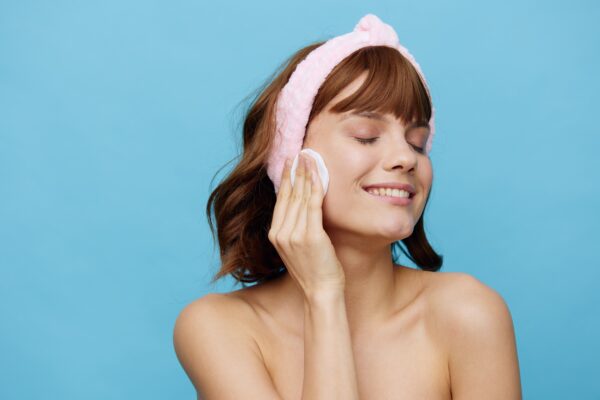
🫧 Step One: Cleansing Without Overdoing It
The first job of an evening routine is removal.
Makeup, sunscreen, sebum, environmental debris, styling residues, and products applied earlier in the day may all need to be lifted from the skin or hair before leave-on care begins.
But cleansing creates a formulation challenge.
The product needs enough cleansing power to remove unwanted material without unnecessarily disrupting the lipids and proteins that help support the skin barrier.
That balance can be approached through:
🫧 Surfactant selection — choosing systems appropriate for the target cleansing level and skin feel.
💧 Mildness — limiting unnecessary stripping while still delivering effective removal.
🧴 After-feel — leaving skin comfortable rather than tight or excessively dry.
🧪 Rheology — creating gels, milks, creams, micellar systems, or other formats that fit the intended routine.
The best cleanser does not simply remove more.
It removes what needs to go while preparing the surface for what comes next.
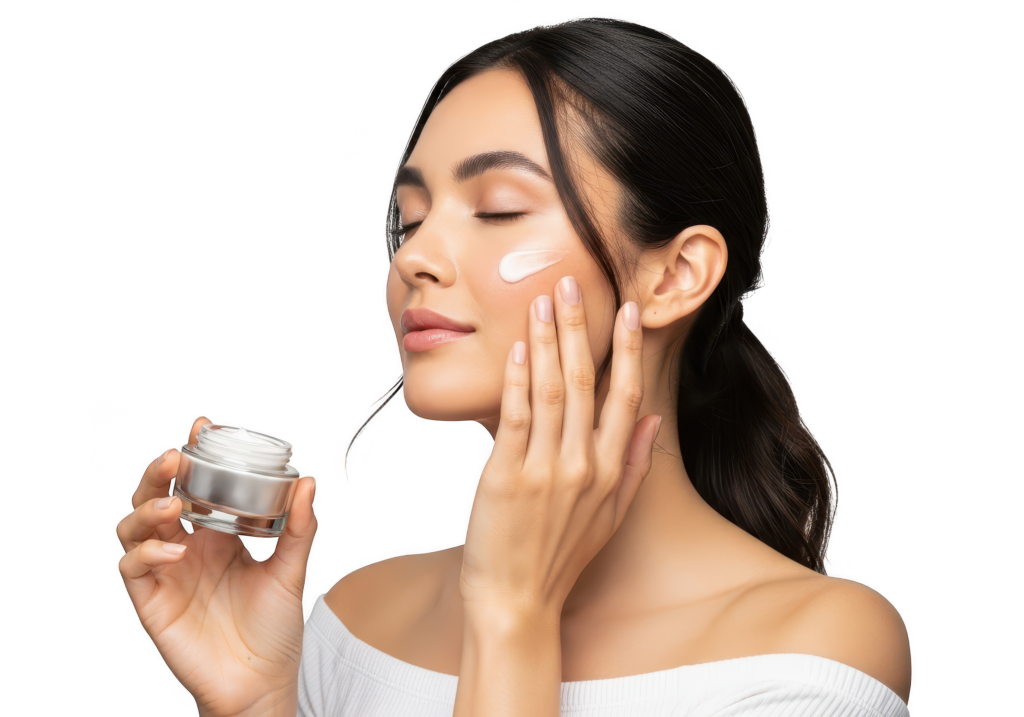
💧 Step Two: Replace What the Routine Takes Away
Cleansing changes the skin surface.
Even a mild cleanser interacts with surface lipids, water, and the stratum corneum. That makes post-cleansing moisturization an important part of the nighttime routine.
A well-designed moisturizer may combine:
💦 Humectants to support water retention
🧴 Emollients to improve flexibility and softness
🛡️ Occlusive components to help reduce water loss
🧱 Barrier-supportive ingredients to reinforce skin comfort
This is particularly relevant at night because the product may remain in place for hours.
The goal is not simply to create a rich cream.
It is to create the right balance of hydration, persistence, and comfort for extended wear.

🧴 Step Three: Texture Sets the Tone
Nighttime formulas have more sensory freedom than many daytime products.
There is no need to formulate around makeup application, immediate outdoor exposure, or the same demand for an invisible finish.
That opens the door to:
🌙 Richer emulsions
💧 Gel-creams
🫧 Serum-gel hybrids
🛡️ Balm-like barrier treatments
✨ Layered leave-on systems
Texture becomes part of the ritual.
A lightweight cleanser may signal the beginning of the routine. A cushiony moisturizer may provide a sense of closure. A leave-on treatment may sit between the two.
The formulation experience becomes a sequence rather than a set of unrelated products.
🌙 Step Four: Design for Extended Wear
Nighttime has one obvious advantage: time.
A leave-on product may remain on the skin for six, seven, or eight hours with relatively little interruption.
That creates opportunities for formulators to think about:
⏰ Prolonged contact time
💧 Sustained moisturization
🧪 Active stability over the wear period
🛌 Transfer to bedding
✨ Sensory persistence
🛡️ Whether the formula remains comfortable as water evaporates and the product settles
Extended wear is not automatically better.
It simply creates a different design problem.
The formula has to continue behaving well several hours after application, not only during the first 30 seconds.
🧬 Nighttime Care Does Not Stop at the Face
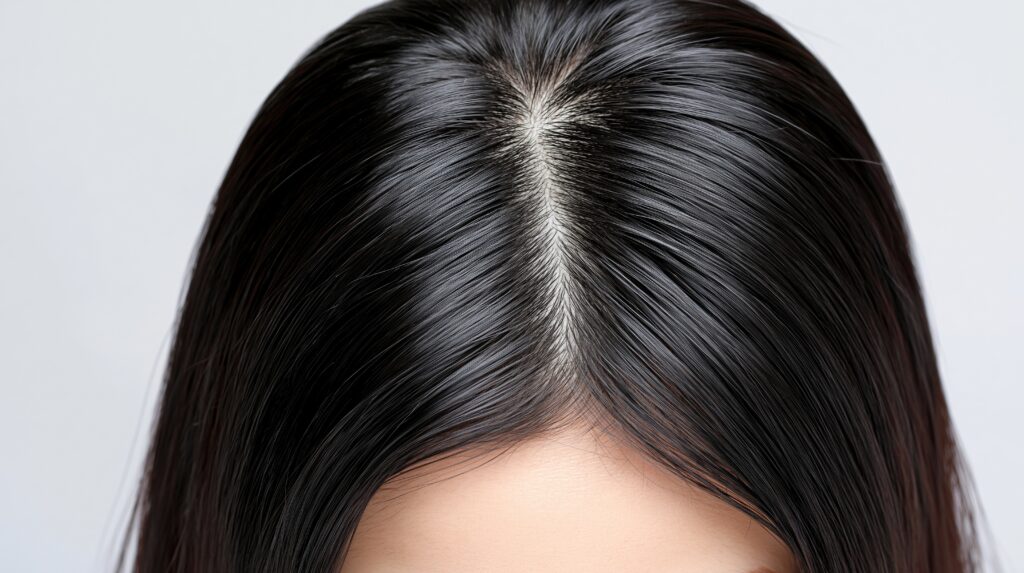
The same logic can extend to body and hair care.
Body skin can benefit from moisturization after cleansing, particularly in routines involving warm showers, frequent washing, or dry environments.
Hair presents a different but equally interesting opportunity.
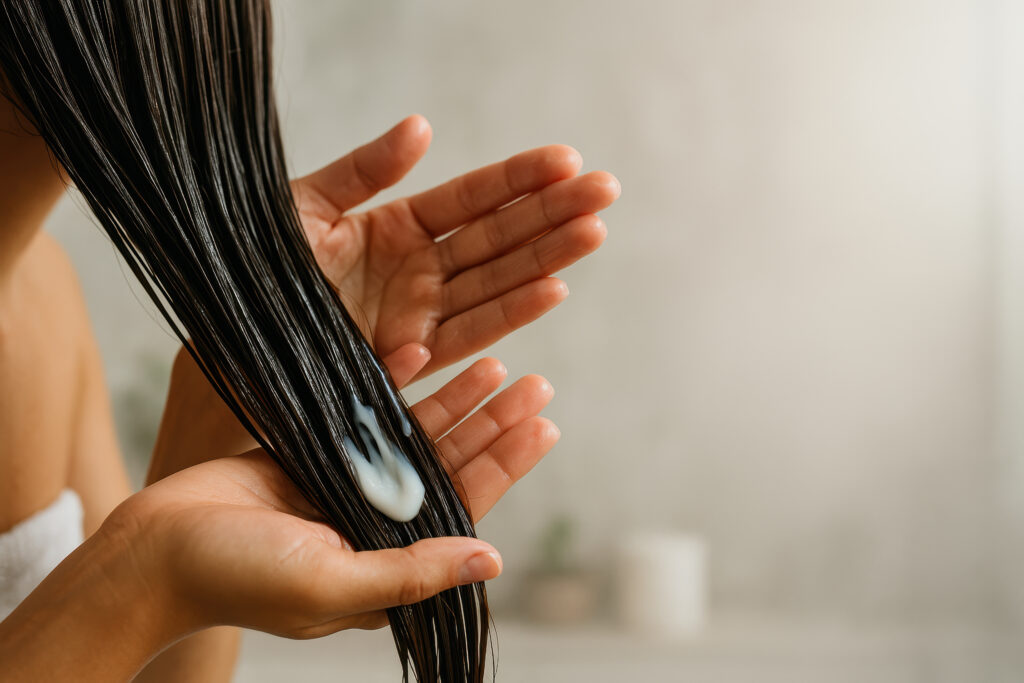
Nighttime leave-in products can be designed to support:
💧 Conditioning
✨ Softness and manageability
🧴 Fiber lubrication
🛡️ Reduced friction
🌙 Overnight treatment concepts
The important formulation question is the same:
What should the product accomplish during the hours it remains in place?
A nighttime hair product may need to provide conditioning without leaving excessive residue on bedding. A body product may need to feel substantive without becoming tacky. A facial formula may need to balance rich sensory properties with compatibility across multiple layers.
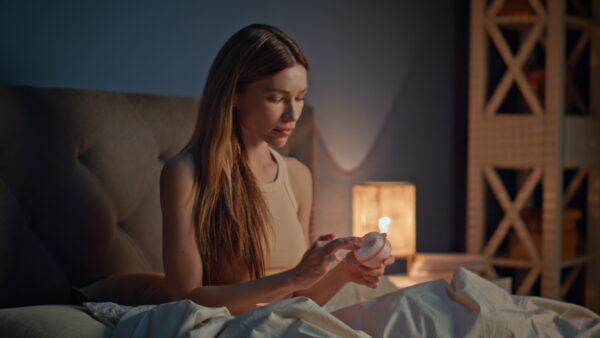
🧪 Formulate the Routine, Not Just the Product
Nighttime beauty becomes more interesting when the routine is considered as a system.
A cleanser affects the surface that receives the next product.
A moisturizer affects how a treatment layer feels.
A texture affects whether a consumer wants to continue using the routine.
And an overnight product has to perform through several hours of wear.
That gives formulators a useful framework:
🫧 Remove what is no longer needed.
💧 Restore hydration and comfort.
🧴 Choose texture deliberately.
🌙 Design for the duration of wear.
🧬 Extend the concept beyond facial skincare when appropriate.
The nighttime routine is not simply a collection of products.
It is a progression.
And each step changes the formulation conditions for the next one.
Building a Nighttime Routine Concept?
Explore cleansing, moisturization, texture, and leave-on formulation strategies designed for extended evening wear.
Want the Ingredient Side of the Story?
Subscribe for product highlights, formulation ideas, and ingredient technologies connected to the science behind our blogs.
Resources
Ananthapadmanabhan KP, et al. 2004. Cleansing Without Compromise: The Impact of Cleansers on the Skin Barrier and the Technology of Mild Cleansing. Dermatologic Therapy.
Lodén M. 2003. Role of Topical Emollients and Moisturizers in the Treatment of Dry Skin Barrier Disorders. American Journal of Clinical Dermatology.
Bielfeldt S, et al. 2019. Deposition of Plant Lipids After Single Application of a Lip Care Product Determined by Confocal Raman Spectroscopy, Corneometry and Transepidermal Water-Loss. International Journal of Cosmetic Science.
Rawlings AV, Harding CR. 2004. Moisturization and Skin Barrier Function. Dermatologic Therapy.
Citation Note: Scientific references support the educational discussion of cleansing, skin barrier function, moisturization, emolliency, occlusion, and extended topical contact. They are not intended to substantiate performance claims for individual cosmetic ingredients or finished formulations.