Beauty Sleep Science: What Sleep Has to Do With Skin
“Beauty sleep” sounds like an old expression.
But there is real biology behind it.
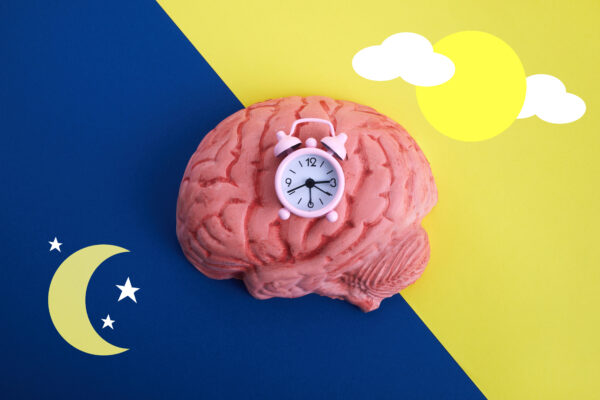
Sleep is part of the body’s circadian system—the roughly 24-hour rhythm that helps coordinate physiology with the daily light-dark cycle. Skin participates in this system through its own peripheral clocks, which influence processes including barrier function, cell proliferation, repair activity, temperature, and water loss.
That means the relationship between sleep and skin is not simply about looking tired after a late night.
It is also about what happens when normal biological timing is maintained—or disrupted.
😴 Sleep and Skin Are Connected
Skin is an active organ with its own daily rhythms.
Throughout a 24-hour period, measurable characteristics can change, including:
💧 Transepidermal water loss
🌡️ Skin temperature
🧴 Sebum production
🧬 Cellular proliferation and repair activity
🛡️ Barrier permeability
These fluctuations are influenced by the circadian system, which coordinates biological activity with recurring environmental changes such as daylight, temperature, eating patterns, and sleep-wake cycles.
Sleep therefore occurs within a much larger biological timing system.
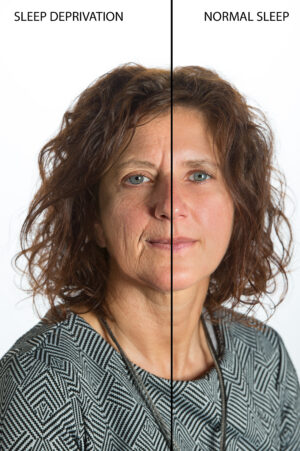
🛡️ What Happens When Sleep Is Disrupted?
Research examining sleep quality and skin has found associations that are especially relevant to cosmetic science.
In one clinical study, women identified as poor sleepers showed greater signs of intrinsic skin aging and poorer recovery following disruption of the skin barrier compared with good sleepers. Other studies and reviews have similarly connected inadequate or irregular sleep with changes in barrier function and visible appearance.
That does not mean a single bad night permanently ages the skin.
It does suggest that sleep quality is one component of the broader environment in which skin maintains itself.
From a formulation perspective, that is an important distinction.
Cosmetics cannot replace sleep.
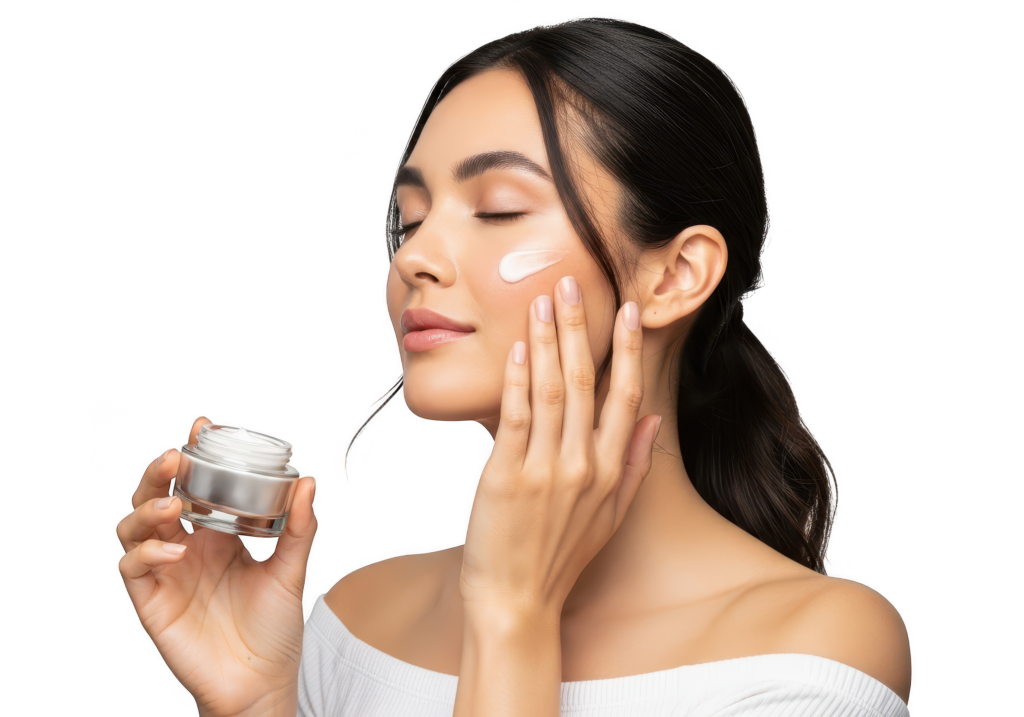
But they can be designed to support the skin during the nighttime period when consumers are resting.
💧 Barrier Recovery Is Part of the Story
The skin barrier is constantly balancing two jobs: keeping unwanted substances out and limiting excessive water loss from within.
Research indicates that barrier properties vary with circadian timing. Skin permeability and transepidermal water loss can increase during evening and nighttime hours.
That gives moisturization particular relevance in a nighttime routine.
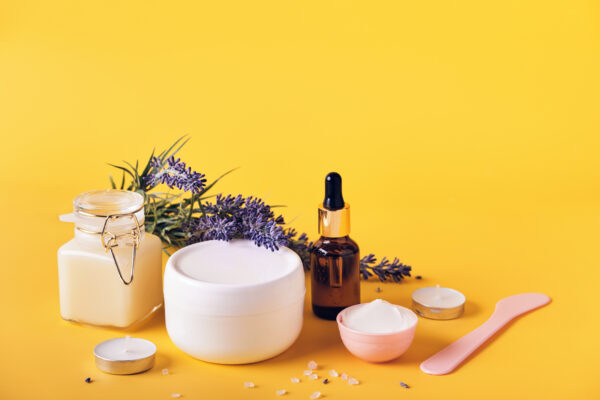
A well-designed evening product may combine:
💦 Humectants to support water retention
🧴 Emollients to improve softness and flexibility
🛡️ Occlusive components to help limit water loss
🌿 Soothing strategies to support comfort
Rather than treating moisturization as a single mechanism, nighttime care can address several aspects of barrier support at once.
🧠 Circadian Rhythm Is More Than Sleep
Sleep and circadian rhythm are closely related, but they are not identical.
The circadian clock is influenced strongly by the daily light-dark cycle, while behaviors such as sleep timing, eating, exercise, and environmental exposure can also interact with peripheral clocks throughout the body. Skin contains its own circadian machinery, allowing it to respond to these timing signals.
This is what makes chronobiology increasingly interesting for cosmetic formulation.
Instead of considering only what an ingredient does, formulators can begin asking:
⏰ When is the product being applied?
🌙 What physiological conditions are present during that period?
💧 How long will the product remain on the skin?
🛡️ What barrier needs might become more relevant overnight?
😌 How can the sensory experience support an evening routine?
Timing becomes another variable in product design.
🌿 The Sensory Side of the Nighttime Routine
Not every part of a nighttime formula has to be driven by cellular biology.
The sensory experience matters too.
Fragrance, texture, application ritual, spreadability, cushion, and after-feel all contribute to how a consumer experiences an evening product.
A lightweight serum may signal the beginning of the routine. A richer cream can provide a more enveloping finish. An aromatic or sensorial element may help reinforce the transition from daytime activity to an evening ritual.
The important distinction is that a cosmetic product should not be positioned as treating insomnia or medically improving sleep.
Instead, formulation can support the experience surrounding the nighttime routine—comfort, sensory cues, and intentionality—while skin-focused technologies address hydration, barrier support, and appearance.
🧪 Formulating Around Better Conditions
The phrase “beauty sleep” becomes more useful when we stop treating it as a promise and start looking at the biology behind it.
Good sleep supports normal physiological function.
Skin follows circadian rhythms.
Barrier properties change over time.
And nighttime provides several uninterrupted hours in which a leave-on product can remain in contact with the skin.
For formulators, these facts create an opportunity to design products around the conditions of nighttime, rather than simply labeling them for nighttime use.
The result is a more thoughtful approach to beauty while you sleep—one based on timing, barrier science, sensory experience, and the biology already happening beneath the surface.
Exploring a Nighttime Skin Concept?
Explore ingredient and formulation strategies for hydration, barrier support, sensory experience, and nighttime-focused skincare.
Want the Ingredient Side of the Story?
Subscribe for product highlights, formulation ideas, and ingredient technologies connected to the science behind our blogs.
Resources
Lyons AB, et al. 2019. Circadian Rhythm and the Skin: A Review of the Literature. Journal of Clinical and Aesthetic Dermatology.
Matsui MS, et al. 2016. Biological Rhythms in the Skin. International Journal of Molecular Sciences.
Duan J, et al. 2021. The Circadian Clock and Diseases of the Skin. FEBS Letters.
Alotaibi MA, et al. 2016. Overview of Common Sleep Disorders and Intersection with Dermatologic Conditions. International Journal of Molecular Sciences.
Plikus MV, et al. 2015. The Circadian Clock in Skin: Implications for Adult Stem Cells, Tissue Regeneration, Cancer, Aging, and Immunity. Journal of Biological Rhythms.
Citation Note: Scientific references support the educational discussion of skin circadian rhythms, sleep quality, barrier function, transepidermal water loss, cellular activity, and skin recovery. They are not intended to substantiate performance claims for individual cosmetic ingredients, imply that cosmetic products improve sleep, or suggest treatment of sleep or medical conditions.