Treat While You Style: The New Logic of Hybrid Haircare
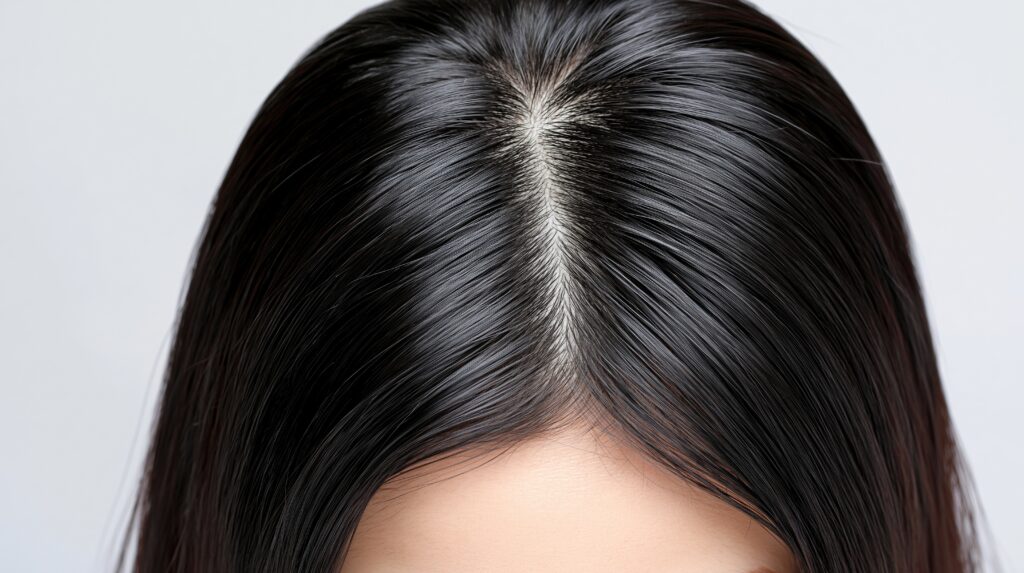
Haircare is no longer just about cleansing, conditioning, or styling. It is becoming a multi-function formulation space where one product may need to do all three.
Consumers are simplifying their routines, but they are not lowering their expectations. A leave-in conditioner may need to smooth, reduce frizz, improve shine, help protect the hair fiber, and still feel light enough for daily use. A styling cream may need to support shape and control while also delivering a conditioned, healthy-looking finish.
That is the practical value of hybrid haircare. It gives formulators a way to build products that sit between traditional categories: part treatment, part styler, part sensorial experience.
Hybrid Haircare Starts with a Clear Formulation Job
Hybrid haircare should not mean adding more claims to a label. It should mean designing a formula where each ingredient has a defined role.
For a “treat while you style” product, the formula may need to manage several jobs at once. It has to condition the fiber, improve combability, reduce friction, support a smoother finish, and help control frizz or flyaways. At the same time, it must avoid the common problems of styling products: heaviness, tack, buildup, or a coated feel.
This is why ingredient selection matters. A hybrid formula needs the right balance of sensory modifiers, emollients, film formers, conditioning agents, and care-focused actives. The goal is not to make one ingredient do everything. The goal is to build a system where each material contributes to the final performance.
Why Treat-While-You-Style Products Are Gaining Ground
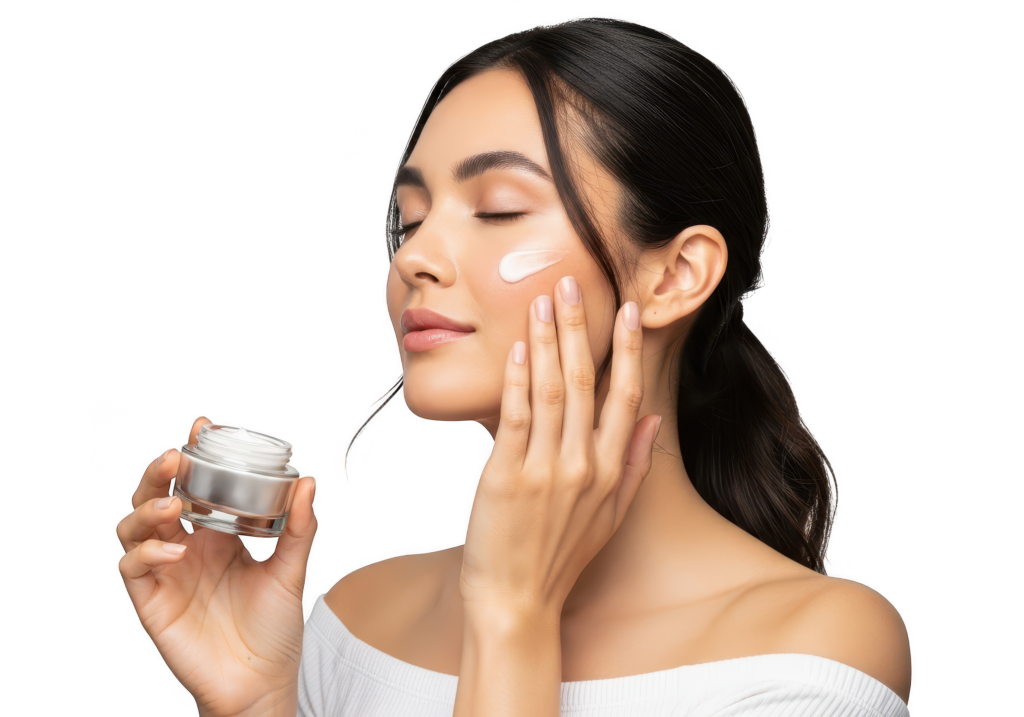
The “treat while you style” concept follows the same logic that moved skincare forward. Consumers became comfortable with products that moisturize, support barrier function, improve texture, and deliver a better finish in one step. Haircare is now moving in a similar direction.
For brand teams, this opens a stronger product story. A styling product can become more than a finishing step. It can be positioned around smoother feel, shine, manageability, fiber care, hydration, or scalp-adjacent benefits, depending on the format.
For R&D teams, the challenge is more technical. Hybrid haircare formulas need to deliver immediate sensory performance while supporting longer-term care positioning. That requires ingredients that can improve how the hair feels, how it behaves during styling, and how the finished product sits on the fiber.
Ingredient Strategies for Hybrid Haircare Formulation
A strong hybrid haircare formula usually starts with sensory performance. If the product feels heavy, greasy, sticky, or stiff, consumers are unlikely to keep using it, even if the care story is strong.
Natura-Tec Plantsil™ is a useful option for this part of the formula because it supports a silicone-like sensory profile using vegetable-based technology. In leave-ins, styling creams, smoothing serums, and treatment formats, this type of ingredient can help improve slip, softness, spreadability, and shine while supporting a lighter finish.
That matters because many hybrid haircare products need to feel elegant without relying on a heavy silicone profile. The product still has to glide through the hair, improve feel, and support a smoother appearance, but it also needs to align with modern formulation preferences around naturality, sensory refinement, and lightweight conditioning.
Care-Focused Actives Help Move the Formula Beyond Surface Styling
To make the “treat” part of treat-while-you-style credible, the formula should include care-focused ingredients that support the product’s positioning.
BGT Hair-KPro can help bring a fiber-care angle to hybrid formats designed around stronger-feeling, healthier-looking hair. This type of ingredient is useful when the product concept goes beyond shine and softness into care-led positioning.
Kalichem Kerashaft ALAB/V also fits into this space by supporting formulas designed to move beyond surface-level styling. It can help formulators build haircare concepts that connect daily use with a more care-forward story.
These ingredients should be framed carefully. The strongest cosmetic language is not about treating medical conditions or promising hair growth. It is about supporting the look, feel, manageability, and resilience of hair in a finished formula.
Hydration Brings Skincare Logic into Haircare
Hybrid haircare is also being shaped by the skinification of haircare. Consumers are increasingly familiar with hydration, barrier support, microbiome language, and active-led formats in skincare. That language is now influencing scalp and haircare product development.
Givaudan PrimalHyal™ Hydra+ can support this hydration-led direction, especially in concepts that connect scalp care, fiber feel, and sensorial performance. It gives formulators another way to bring skincare-inspired thinking into haircare formats such as leave-ins, scalp serums, treatment sprays, and lightweight creams.
This does not mean every haircare product needs to become a scalp serum. It means haircare formulas can be built with a broader view of performance: how the product feels during application, how the hair behaves after use, and how the formula supports the consumer’s desire for care and styling in fewer steps.
The Competitive Advantage: Smarter Formulas, Not Longer Routines
The future of haircare is not necessarily more products. It is better-designed products.
Hybrid haircare gives formulators a practical way to combine styling, conditioning, sensory performance, and care-focused positioning in one format. For brand teams, that creates a clearer product story. For R&D teams, it creates a more efficient formulation strategy. For consumers, it creates products that feel useful in real routines.
The opportunity is not to overload a formula with claims. The opportunity is to build a product where each ingredient has a reason to be there.
That is the new logic of hybrid haircare: treat while you style, condition while you control, and simplify the routine without reducing the performance.
Resources
Fernandes, C., et al. (2023).
On Hair Care Physicochemistry: From Structure and Degradation to Novel Biobased Conditioning Agents.
International Journal of Molecular Sciences.
Fernández-Peña, L., et al. (2020).
Physicochemical Aspects of the Performance of Hair Conditioning Formulations.
Cosmetics.
Safic-Alcan. (2026).
Natura-Tec. (2025).
Natural Functional Emollients.
Deveraux Specialties.
Contact Deveraux Specialties for hybrid haircare ingredient support.
Citation Note
The sources selected for this article support the technical argument behind hybrid haircare: the role of conditioning systems in improving combability, softness, shine, and manageability; the use of sensory and film-forming technologies to support styling performance; and the broader industry shift toward multifunctional haircare formats that combine care, styling, and fiber-focused benefits. Product-specific supplier resources should be used to confirm recommended use levels, formulation guidance, and substantiation for final claims.