How Natura-Tec Plantsil™ helps bridge silicone-like sensory performance with tolerance support for modern cosmetic formulations.
For cosmetic formulators, the challenge is not simply removing silicones from a formula. The real challenge is replacing what silicones do so well: slip, spreadability, softness, elegant dry-down, low tack, and a refined afterfeel that consumers immediately recognize as premium. A silicone-free formula still has to feel good. It still has to perform. And for sensitive-positioned products, it also has to support a stronger mildness story.
That is where Natura-Tec Plantsil™ becomes interesting. Plantsil™ is a vegetable-based silicone alternative designed to mimic the feel of silicones through plant-derived materials. It offers a soft, light, silky touch with a dry, powdery finish and no oily residue. In a recent Natura-Tec newsletter, Plantsil™ also reached a new technical milestone: in vitro tolerance data supporting its non-irritant profile.
For brands and R&D teams developing silicone-free skincare, sensitive skin products, intimate care, body care, makeup, sun care, baby care concepts, or haircare, this matters. The conversation moves from “this feels gentle” to “this has tolerance data behind it.”
Why Silicone-Free Formulation Needs More Than a Simple Swap
Silicones have been used in personal care for decades because they solve several formulation problems at once. They help create glide. They soften the feel of emulsions and anhydrous systems. They reduce drag. They can improve spreadability and leave a dry, elegant finish on skin or hair. In haircare, silicones are widely valued for conditioning, lubricity, and improved combing.
That is why replacing them is not always straightforward. Many silicone alternatives can solve one part of the sensory equation but create another problem. A natural oil may add cushion but feel too greasy. A lightweight ester may improve slip but lack the long-lasting softness a formulator wants. A dry-feel emollient may work well in a lotion but behave differently in makeup, sun care, or cleansing systems.
Plantsil™ is designed for this exact problem. According to Natura-Tec’s product data, Plantsil™ is a transparent, low-odor fluid oil that mimics the feel of silicones through vegetable-based materials. It provides a silky touch, smoothness, rapid absorption, and a dry afterfeel. Natura-Tec also notes that Plantsil™ reproduces the volatile feeling of cyclomethicone while leaving a soft, powdery finish.
That gives formulators a practical bridge: a plant-based silicone replacement that supports the sensory profile consumers expect from silicone-containing products.
The New Differentiator: Tolerance Data Behind the Sensory Story
Many cosmetic ingredients are described as gentle. The word is useful, but it is also common. For formulators working on sensitive-positioned products, “gentle” becomes more meaningful when it is supported by relevant testing.
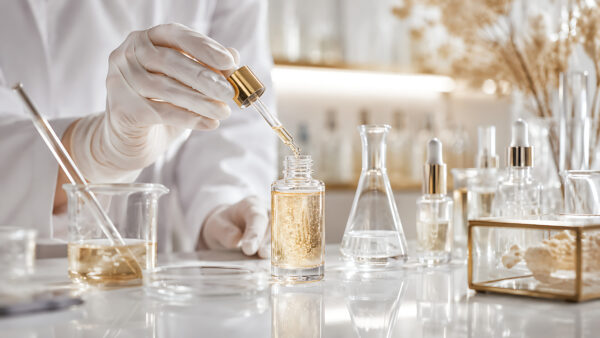
In Natura-Tec’s recent newsletter, Plantsil™ was evaluated using an OECD 439 in vitro approach on reconstructed human vaginal epithelium, a sensitive biological model. A 5% SDS reference irritant was tested in parallel and produced a 99.5% decrease in cell viability, confirming that the model responded as expected. Against that benchmark, Plantsil™ showed no adverse effects on cells and demonstrated +6.5% cell viability versus the negative control.
The newsletter states that, according to OECD 439 and UN GHS classification criteria, Plantsil™ was classified as non-irritant / no category. That does not mean every finished formula can automatically make the same claim. Finished product tolerance still depends on the total formula, the use level, the product format, and the intended application area. But it does give formulators a stronger ingredient-level proof point when building mildness-positioned concepts.
For R&D teams, this is the useful part: Plantsil™ is not only a sensorial silicone alternative. It is a silicone alternative with tolerance data that can help support the development story for formulas where comfort and mildness are central.
Where Plantsil™ Fits in Cosmetic Formulation
Plantsil™ has broad formulation utility because it addresses both skin feel and positioning. Natura-Tec lists use in skincare, sun care, men’s care, makeup, baby care, shampoo, sensitive skin care, and intimate care. Suggested use levels vary by format, including 2–80% in many skin, sun, baby, sensitive skin, and intimate care applications; 2–20% in makeup; and 0.5–2% in shampoo.
In skincare, Plantsil™ can help create a light, non-greasy texture in moisturizers, face oils, serums, anti-aging creams, and formulas for oily skin. In sun care, it can support more elegant emulsions and oils where spreadability and dry-down are important. In makeup, it may be useful in lipsticks, foundations, and makeup removers where slip, payoff, and skin comfort influence the consumer experience.
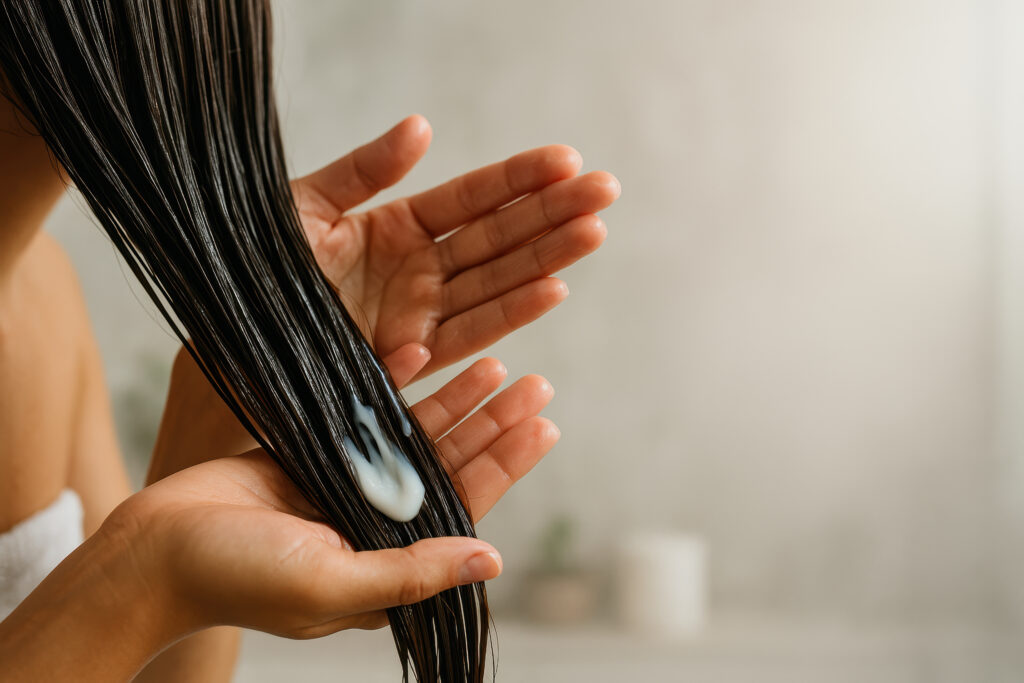
In haircare, Plantsil™ can be used as a conditioning agent to help replace silicones. Natura-Tec notes that internal studies in a base shampoo showed behavior and effects on hair similar to silicone, and that lab tests confirmed compatibility with common surfactants and co-surfactants.
This makes Plantsil™ especially relevant for formulators trying to build silicone-free formulations without sacrificing the sensory cues people associate with performance.
Why This Matters for Sensitive-Positioned Products
Sensitive skin products often fail when they are built only around what is removed: no fragrance, no harsh surfactants, no certain preservatives, no silicones. Those choices can be important, but consumers still judge the formula by how it feels during use and after application.
A sensitive-positioned product has to do two things at the same time. It has to feel elegant enough to encourage repeated use, and it has to be designed with tolerance in mind. Plantsil™ helps connect those two needs. It offers the elegant sensory profile of a silicone alternative while adding ingredient-level tolerance support from in vitro testing.
That makes it a useful candidate for sensitive skin moisturizers, body oils, post-shave products, baby care-inspired formulas, intimate care concepts, deodorant-adjacent body care, makeup removers, and daily-use leave-on products where mildness and sensory elegance both matter.
The strongest product story is not simply “silicone-free.” It is more specific: silicone-like sensorial performance with tolerance data to support high-comfort formulation concepts.
A Practical Silicone Alternative for Modern Beauty Briefs
Modern cosmetic briefs often ask formulators to solve several problems at once. The formula should be more natural. It should feel premium. It should be suitable for sensitive-positioned claims. It should work across formats. It should support brand language around comfort, elegance, and performance.
Plantsil™ is well positioned for these briefs because it gives formulators multiple benefits in one ingredient direction. It is vegetable based. It offers a silicone-like sensory profile. It supports a silky, dry, soft finish. It can be used across skincare, makeup, sun care, haircare, baby care concepts, sensitive skin, and intimate care. And now, its mildness story is supported by recent in vitro tolerance data.
For brands, that means a cleaner and more credible product narrative. For R&D teams, it means a functional emollient and sensorial agent that can help reduce reliance on traditional silicones while keeping the user experience intact.
Resources
Ferreira, T., et al. (2023).
Addressing the structural organization of silicone alternatives through computational modeling and experimental characterization.
Molecules.
Montiel, M. C., et al. (2019).
Biocatalytic solutions to cyclomethicones problem in cosmetics.
Engineering in Life Sciences.
OECD. (2021).
Test No. 439: In vitro skin irritation: Reconstructed human epidermis test method.
OECD Guidelines for the Testing of Chemicals.
Rhein, L. D., et al. (2025).
Silicone alternatives in skincare.
Journal of Cosmetic Science.
Natura-Tec. (2026). Natura-Tec Plantsil™ Product Data Sheet.
Natura-Tec. (2026). Riviera News: Plantsil™ High Skin Tolerance.
Citation Note
The sources selected for this article were chosen to support three parts of the formulation argument: the role of OECD 439-style in vitro irritation testing in evaluating mildness, the technical challenge of replacing cyclomethicone and other silicone materials, and the importance of sensory performance when developing silicone-free skincare and haircare systems. Natura-Tec’s product data and recent newsletter provide the ingredient-specific performance and tolerance information for Plantsil™. External peer-reviewed and industry technical sources provide broader context for silicone replacement and in vitro irritation testing.