Your Daily Glow Up: Formulating for Radiance Without the Shine
Sometimes looking more put together really does change how you feel.
A good outfit. Hair that cooperates. Makeup that sits just right.
Skin can play into that same perception.
When tone looks more even and the surface reflects light smoothly, skin often appears fresher and more radiant—even without adding obvious shimmer or shine.
That distinction matters for formulators.
Because glow and grease are not the same thing.
✨ What Does “Glow” Actually Mean?
Radiance is not a single biological measurement.
Visually, it can be influenced by several factors:
✨ Skin-tone uniformity
💧 Surface hydration
🔬 Skin texture
🌤️ Pigment distribution
💡 How light interacts with the skin surface
When those factors work together, skin can appear smoother, brighter and more even.
That means creating radiance does not necessarily require adding pearl pigments or making a formula more emollient.
Sometimes the better strategy is to improve the surface and tone itself.
🎨 Uneven Tone Changes How We See Skin
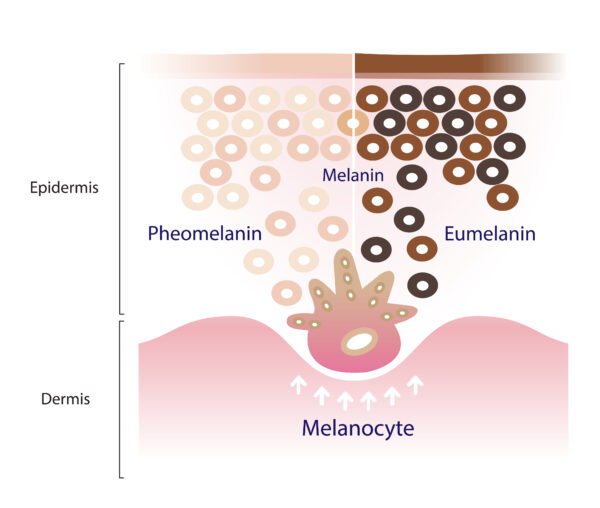
Human skin color is strongly influenced by melanin, its distribution and the activity of melanocytes.
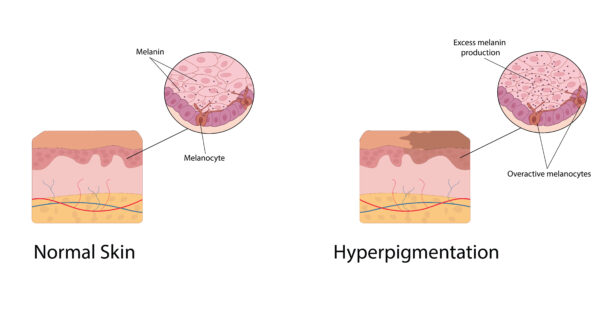
Hyperpigmentation occurs when melanin production or distribution becomes uneven, creating darker areas relative to the surrounding skin. UV exposure, inflammation, hormones and other biological factors can all contribute.
For formulators, this opens several possible strategies.
Rather than thinking only in terms of “brightening,” product development can focus on:
🌿 Supporting more even-looking tone
✨ Improving visible radiance
🎯 Addressing the appearance of dark spots
🛡️ Supporting protection against environmental stress
💧 Maintaining hydration and surface smoothness
The result can be skin that looks brighter without appearing artificially lightened.
🔬 Pigmentation Is a Process
Melanin production involves a network of biological signals rather than a single switch.
Tyrosinase activity, melanogenesis, melanin transfer and inflammatory signaling can all influence pigmentation.
That is why modern tone-evening ingredients often target different points in the pathway.
Some focus on melanin synthesis.
Others focus on transfer.
Some address oxidative stress or inflammation.
And increasingly, ingredient technologies are looking at the relationship between pigmentation and the skin microbiome as well.
The formulation opportunity is therefore broader than simply choosing one “brightening” ingredient.
🌿 Inflammation Can Leave a Mark
Inflammation is especially relevant when considering post-inflammatory hyperpigmentation.
After irritation, acne or injury, inflammatory signals can stimulate melanogenesis, leaving visible discoloration even after the original condition has resolved. This is particularly significant in darker skin tones, where post-inflammatory hyperpigmentation can be more persistent and pronounced.
That makes gentle formulation important.
A product intended to improve visible tone should not create additional irritation that works against that goal.
Formulators may therefore consider:
🌿 Skin-comfort support
🛡️ Barrier-conscious systems
✨ Gentle tone-evening strategies
☀️ Daytime photoprotection compatibility
💧 Hydration without heaviness
🛡️ Oxidative Stress Belongs in the Conversation Too
Reactive oxygen species are part of normal cellular biology, but excess oxidative stress can influence pigmentation pathways.
Research has linked oxidative stress with signaling involved in hyperpigmentation disorders, which helps explain why antioxidant approaches frequently appear in tone-evening and radiance concepts.
For formulation, antioxidant support can therefore complement other strategies aimed at visible tone and luminosity.
💡 Radiance Can Also Be Optical
Not every glow claim has to depend entirely on long-term biological change.
How light interacts with the skin surface can create an immediate visual effect.
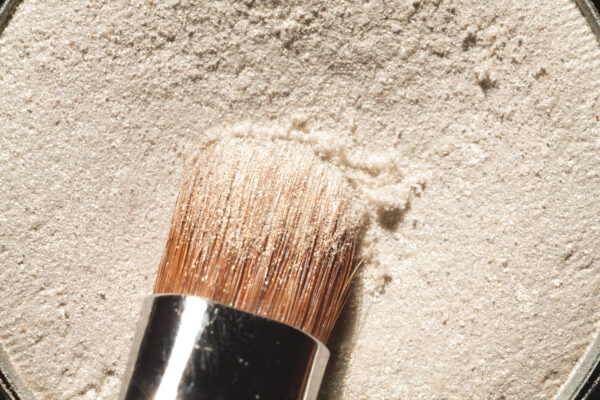
Soft-focus materials can scatter incoming light rather than reflecting it sharply from the surface. That can help visually soften fine lines, pores and uneven texture while producing a more luminous finish.
This is especially useful when the goal is:
✨ Glow without glitter
✨ Luminosity without oiliness
✨ Blurring without heavy coverage
✨ A more refined skin finish
The effect can be incorporated into skincare, primers, foundations and hybrid products.
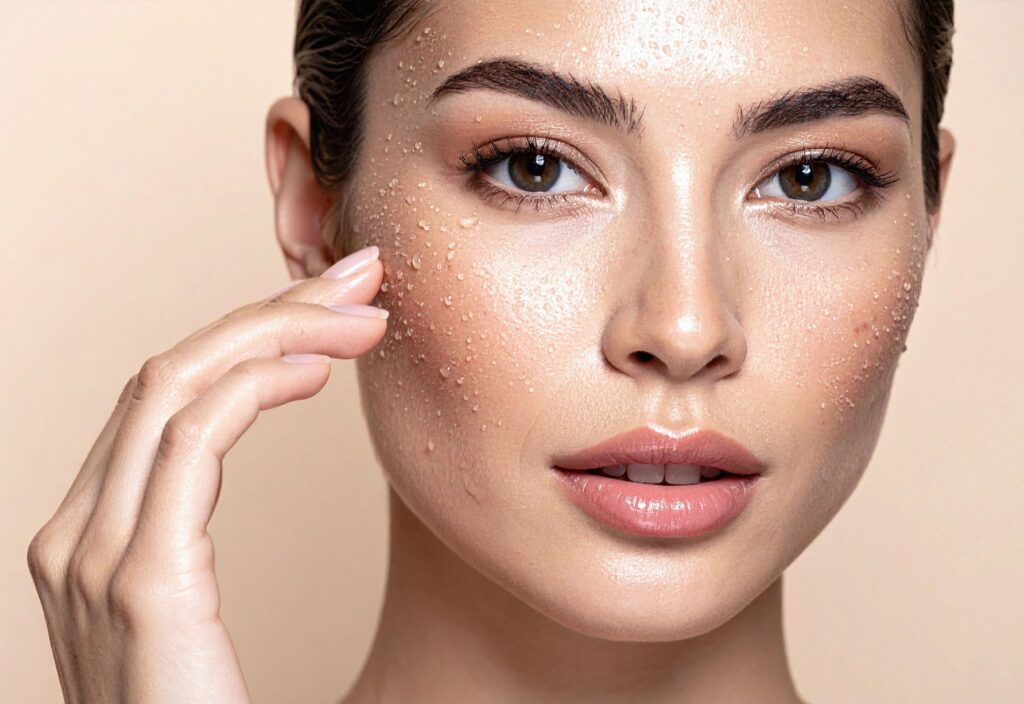
⚖️ Glow Without the Grease
One of the most useful formulation distinctions is between radiance and shine.
Radiance tends to look diffuse and even.
Excess shine tends to appear concentrated in areas where oil accumulates.
The sensory system matters here.
A formula can support glow while still offering:
🤲 Lightweight spread
💧 Comfortable hydration
✨ A soft or satin finish
⚖️ Controlled oiliness
🧴 Clean layering beneath makeup
This allows formulators to build products that make skin look healthier without simply making the surface wetter or shinier.
🧴 Where Radiance Fits
Radiance concepts can work across a wide range of formats:
✨ Brightening serums
💧 Lightweight essences
🧴 Daily moisturizers
🎨 Primers and CC creams
☀️ Daytime skincare
💄 Skin-makeup hybrids
🌙 Overnight tone-care formulas
The key is matching the mechanism to the format.
A serum may emphasize targeted actives.
A primer may combine skincare benefits with immediate optical effects.
A moisturizer may focus on hydration, tone and comfortable daily use.
✨ The Daily Glow Up
Healthy-looking radiance does not have to mean shimmer.
And it does not have to mean more oil.
The most sophisticated glow concepts work by improving how the skin looks, feels and interacts with light.
That can mean supporting more even tone.
Addressing pigmentation.
Maintaining hydration.
Managing oxidative stress.
And creating a smooth surface that reflects light in a flattering way.
The goal isn’t simply brighter skin.
It’s skin that looks balanced, even and naturally luminous.
Formulate for Natural Radiance
Explore ingredients and formulation support for tone-evening, brightening and glow-focused skincare concepts.
Request Formulation Support
More Formulation Insights
Get ingredient ideas, formulation concepts and technical insights delivered directly to your inbox.
Subscribe to the Newsletter
Thawabteh, A.M. et al. (2023). “Skin Pigmentation Types, Causes and Treatment—A Review.” Molecules. Read Full Text
Markiewicz, E. et al. (2022). “Post-Inflammatory Hyperpigmentation in Dark Skin: Molecular Mechanism and Skincare Implications.” Clinical, Cosmetic and Investigational Dermatology. Read Full Text
Xing, X. et al. (2022). “Implications of Oxidative Stress in the Pathogenesis and Treatment of Hyperpigmentation Disorders.” Oxidative Medicine and Cellular Longevity. Read Full Text
Citation Note: These resources are provided for educational reference and support the discussion of melanogenesis, uneven pigmentation, post-inflammatory hyperpigmentation and oxidative stress. Product-specific efficacy claims should be supported separately by supplier technical documentation.