🌿 Stress and Scalp Health: Why Wellness Begins at the Roots
We often recognize the signs of stress in our daily lives. Our shoulders feel tense, sleep becomes less restful, and our skin may suddenly seem more sensitive or uncomfortable.
But what about the skin beneath our hair?
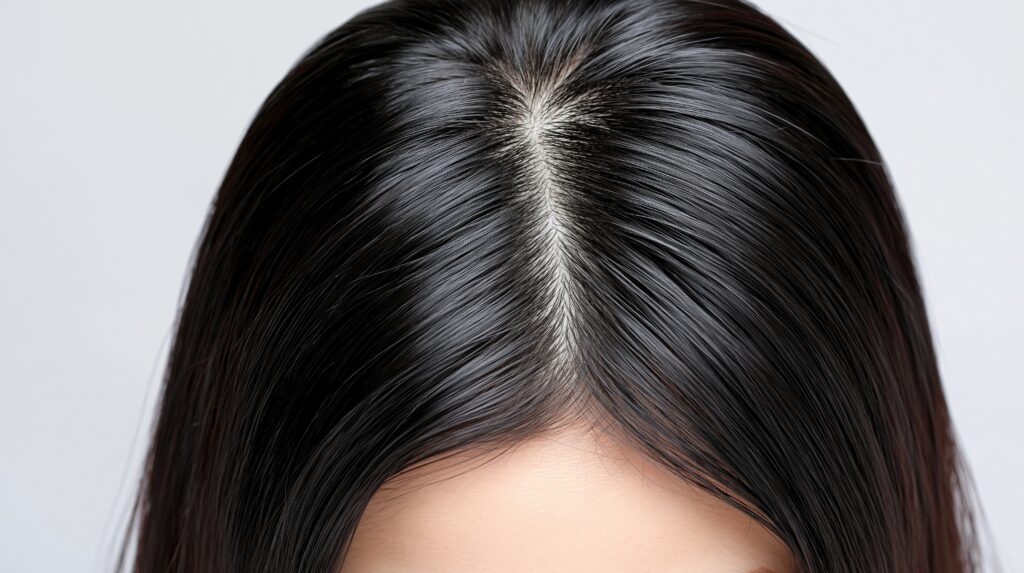
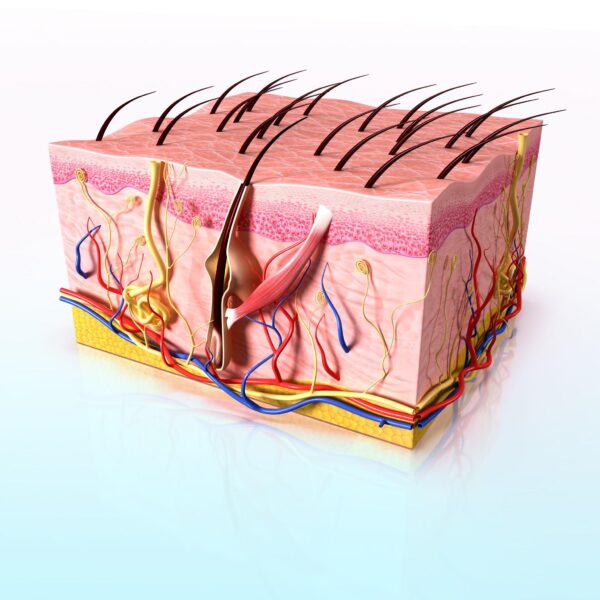
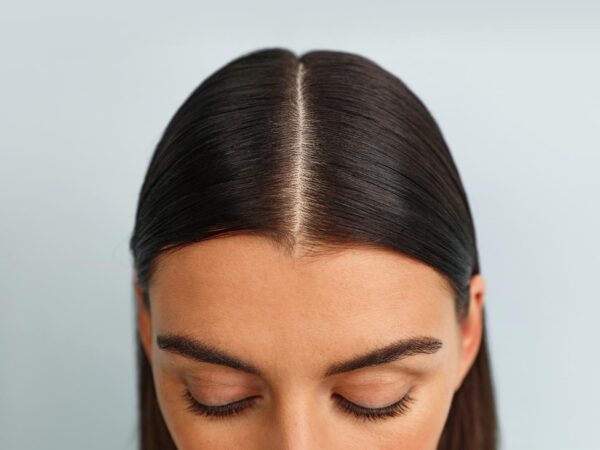
The scalp is more than a place where hair grows. It’s living skin with a protective barrier, sensory nerves, immune activity, and thousands of hair follicles. Just like the skin on our face, it responds to changes happening both around us and within our bodies.
And as research continues to uncover the relationship between stress and skin biology, one thing is becoming clear: scalp health deserves a place in the broader conversation about personal wellness.
For cosmetic formulators, this connection offers a different way to think about haircare. One that considers not only how hair looks, but also how the scalp feels.
🧠 When Stress Becomes a Skin Conversation
Stress isn’t simply something we experience emotionally. It creates a series of measurable responses throughout the body.
When we encounter a stressful situation, the body activates systems designed to help us respond and adapt. One involves cortisol, a hormone that plays important roles in energy regulation, immune activity, and everyday physiological function.
Cortisol itself isn’t harmful. It’s essential to normal health. However, prolonged psychological stress can influence processes involved in maintaining the skin’s protective barrier.
Research has associated psychological stress with changes in:
💧 Moisture retention: Stress-related changes can make it more difficult for the skin to maintain adequate hydration.
🛡️ Barrier function: The protective outer layer may become less effective at limiting water loss and exposure to irritants.
🌿 Inflammatory signaling: Stress can influence biological pathways associated with irritation and skin sensitivity.
🔄 Skin recovery: The processes that help maintain and restore the skin barrier may be affected.
An evidence-based review of 21 studies reported that psychological stress was associated with reduced skin hydration, changes in barrier-related components, and increased water loss through the skin.
These findings help explain why our skin sometimes feels different during demanding periods.
And because the scalp is skin, understanding these processes is valuable when developing products intended to support scalp comfort.
🌱 Your Scalp Has Its Own Stress-Response System
Here’s where the science becomes particularly interesting.
Hair follicles aren’t passive structures waiting to produce the next strand of hair. They’re biologically active environments that interact with hormones, immune cells, and the surrounding skin.
Research has demonstrated that human hair follicles can produce stress-related signaling molecules, including cortisol, through local biological pathways.
In other words, some of the signaling associated with the body’s stress response can also take place within the skin itself.
This doesn’t mean every stressful day leads to scalp irritation or hair problems. Human biology is more complicated than that.
It does tell us that the scalp participates in a network of biological processes that extend far beyond basic hair growth.
For formulators, it’s another reason to consider the condition and comfort of the scalp when designing modern haircare products.
🛡️ Why the Scalp Barrier Deserves Attention
Think of the skin barrier as a protective system that works continuously, even when we aren’t aware of it.
The outermost layer of the skin helps prevent excessive water loss while limiting contact with environmental irritants.
When that barrier functions well, skin is better equipped to maintain its normal moisture balance.
When its function is disrupted, dryness, tightness, and discomfort may become more noticeable.
The relationship between psychological stress and epidermal barrier function has been examined in clinical and experimental research, although findings from general skin studies shouldn’t automatically be treated as scalp-specific evidence.
For cosmetic formulators, this research reinforces several practical priorities.
💧 Hydration without heaviness
Scalp moisturization should account for the fact that the hair roots can easily become weighed down by rich or greasy products.
🌿 Gentle cleansing
Cleansing should effectively remove oil, sweat, and styling residue without unnecessarily compromising the scalp’s natural comfort.
🛡️ Barrier-conscious formulation
Ingredient selection, surfactant systems, product pH, and overall formulation compatibility all influence how a product interacts with the scalp.
✨ Comfortable application
Products that spread easily, absorb appropriately, and leave minimal unwanted residue can make scalp care more practical for everyday use.
The objective isn’t to create increasingly complicated routines. It’s to deliver meaningful care in a form consumers will want to use.
🌸 The Connection Between Scalp Comfort and Self-Care
Personal care has always involved more than the final appearance of our skin or hair.
The experience matters, too.
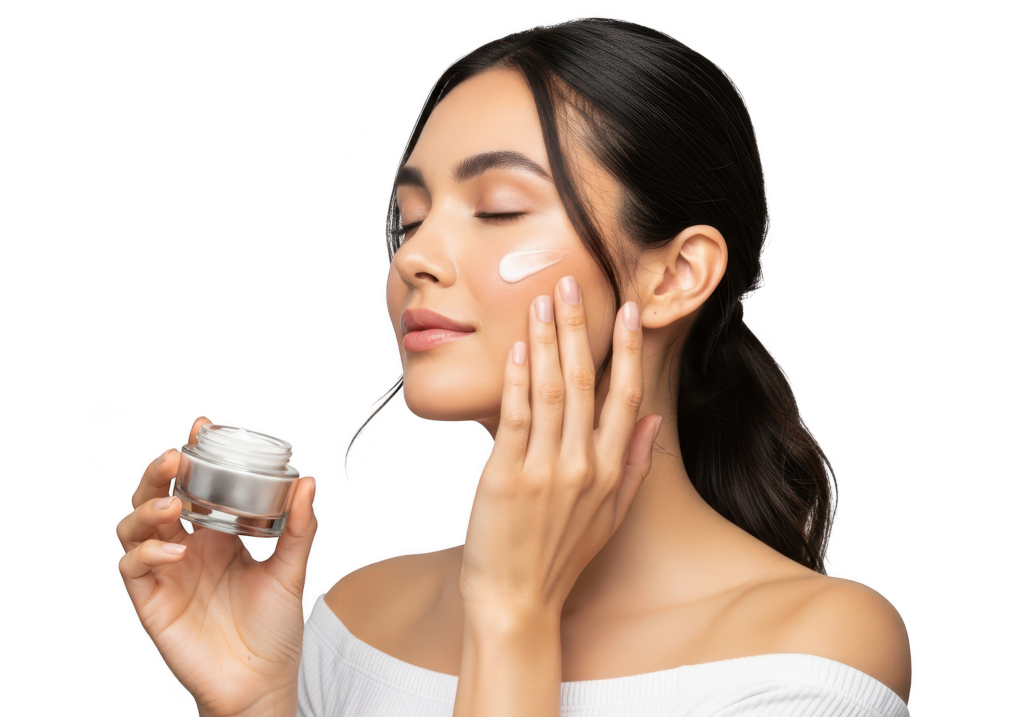
A pleasant texture, a gentle cleansing experience, or a few intentional moments devoted to scalp care can make an ordinary routine feel more enjoyable.
This is especially relevant as haircare increasingly adopts concepts traditionally associated with facial skincare.
Consumers are becoming more familiar with targeted treatments, scalp serums, lightweight hydration, and products designed around specific skin needs.
For formulators, the opportunity is to consider two equally important questions:
Does the product deliver the intended cosmetic benefit?
Does the experience encourage someone to use it consistently?
A thoughtfully designed scalp treatment can address both.
That doesn’t mean a scalp serum or shampoo can treat psychological stress. But a comfortable, enjoyable personal-care routine can be one small part of a broader approach to everyday well-being.

🔬 Translating Scalp Wellness into Formulation
Understanding the relationship between stress and skin biology doesn’t mean formulators need to develop products that promise to control cortisol or eliminate the effects of stress.
Instead, it encourages a practical focus on cosmetic needs.
Wellness-inspired scalp formulations might prioritize:
💧 Lightweight hydration that supports a comfortable scalp environment.
🌿 Gentle, well-tolerated cleansing systems.
🛡️ Ingredients selected to help maintain barrier function and reduce feelings of dryness.
✨ Pleasant textures that don’t leave the hair looking greasy or weighed down.
💆 Application experiences that fit naturally into everyday self-care routines.
The most successful approach will balance ingredient performance, sensory experience, and realistic cosmetic benefits.
Consumers shouldn’t have to choose between scalp comfort and beautiful-looking hair.
🌿 A More Complete Definition of Healthy Haircare
For years, haircare messaging has focused primarily on what we can see: shine, smoothness, volume, and manageability.
Those benefits remain essential.
But the growing understanding of scalp biology reminds us that there’s another important dimension to haircare—how the skin beneath our hair functions and feels.
Research into stress and skin health adds valuable context to this conversation. It helps explain why supporting the scalp’s protective barrier and creating gentle, comfortable products are worthwhile formulation goals.
As wellness-driven beauty continues to evolve, scalp care offers an opportunity to bring science and self-care together.
Because caring for healthy-looking hair doesn’t begin with the strands alone.
It begins with the skin beneath them.
Coming Next — Part 2: Scalp Massage and Rituals. Explore how thoughtful application techniques, sensory experiences, and formulation textures can transform everyday scalp care into a more intentional routine.
Bring Scalp Wellness Into Your Next Formulation
Explore new opportunities in scalp care with our team, or subscribe for more insights into cosmetic science and formulation innovation.
Resources:
- Maarouf, M., et al. (2019). The impact of stress on epidermal barrier function: An evidence-based review. British Journal of Dermatology, 181(6), 1129–1137.
https://pubmed.ncbi.nlm.nih.gov/30614527/ - Sharpley, C. F., McFarlane, J. R., & Slominski, A. (2012). Stress-linked cortisol concentrations in hair: What we know and what we need to know. Reviews in the Neurosciences, 23(1), 111–121.
https://pmc.ncbi.nlm.nih.gov/articles/PMC3381079/ - Slominski, A. (2007). A nervous breakdown in the skin: Stress and the epidermal barrier. Journal of Clinical Investigation, 117(11), 3166–3169.
https://pmc.ncbi.nlm.nih.gov/articles/PMC2045620/ - Lyu, F., et al. (2023). Stress and its impairment of skin barrier function. International Journal of Dermatology, 62(5), 621–630.
https://pubmed.ncbi.nlm.nih.gov/36759891/
Citation Note: This article draws on peer-reviewed research concerning psychological stress, epidermal barrier function, and stress-related signaling in hair follicles. Some findings originate from studies of skin generally rather than the scalp specifically. The information is educational and does not imply that cosmetic products treat psychological stress or medical scalp conditions.