💆 Scalp Massage and Rituals: When Haircare Becomes Self-Care
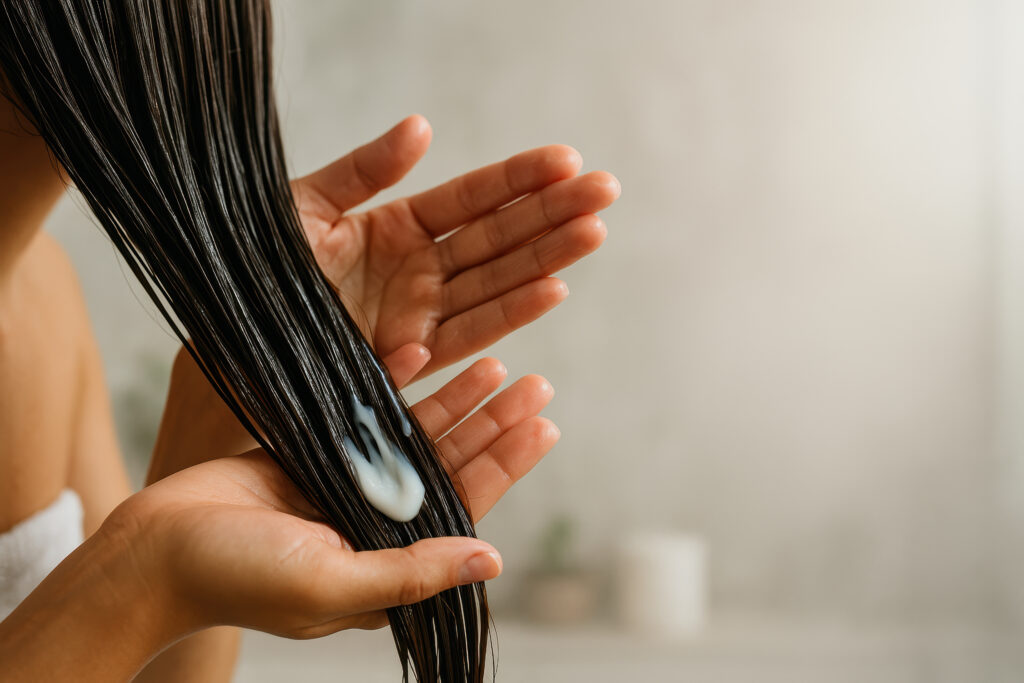
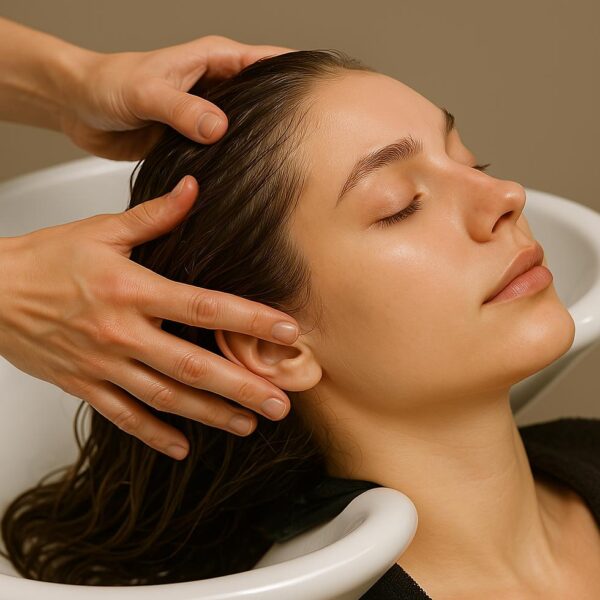
Think about the difference between quickly washing your hair and taking a few extra moments to massage your scalp.
The products might be the same. The cleansing benefits might be similar. But the experience feels entirely different.
What was once a routine task can become a moment of personal care. 🌿
As consumers increasingly connect beauty with wellness, scalp massage and intentional haircare rituals are gaining attention. And while the idea of massaging the scalp isn’t new, scientific research is helping us better understand what happens beneath the surface.
For cosmetic formulators, this creates an interesting opportunity: developing products that do more than deliver functional benefits. They can also make the experience of caring for the scalp more enjoyable.
🧠 What Happens During Scalp Massage?
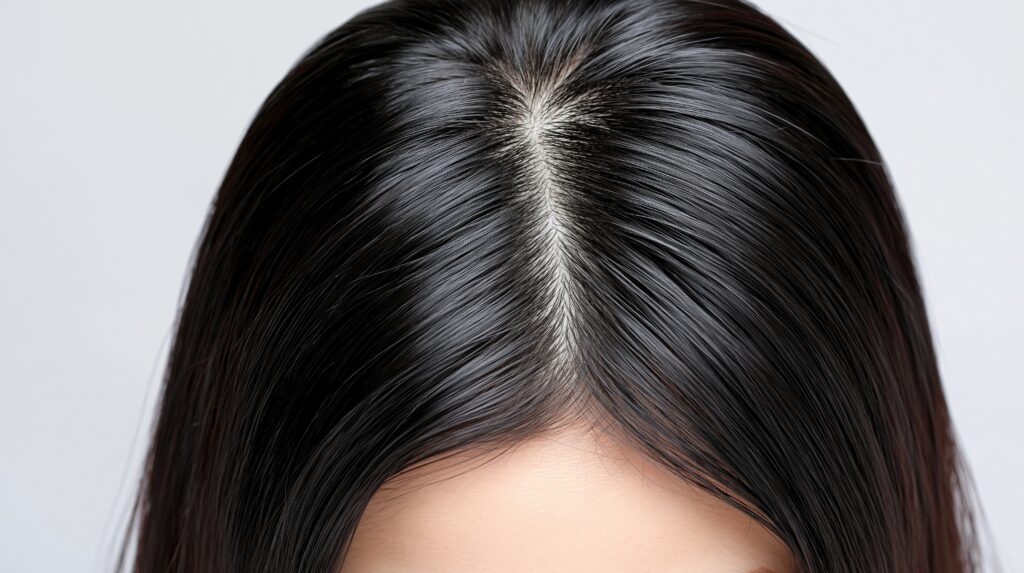
The scalp contains an extensive network of sensory nerves, blood vessels, connective tissue, and hair follicles.
When gentle pressure and movement are applied to the scalp, these structures experience mechanical stimulation.
Our sensory nerves detect that pressure and movement, allowing us to perceive touch, temperature, and other physical sensations.
💆 This is part of what makes scalp massage feel different from simply applying a product.
Massage also physically moves the scalp tissue, creating mechanical forces that can affect structures beneath the skin’s surface.
Researchers have begun examining how these forces interact with hair follicles, particularly the specialized cells involved in hair development.
While there’s still much to learn, these studies demonstrate that scalp massage involves more than a pleasant sensation. It creates measurable physical interactions with scalp tissue.
🔬 What Does the Research Actually Show?
One frequently discussed study, published in Eplasty in 2016, examined the effects of standardized scalp massage in nine healthy men.
Participants received four minutes of scalp massage daily for 24 weeks.
Researchers observed an increase in hair thickness in the massaged area. Laboratory investigations also suggested that mechanical stretching could influence gene activity in cells associated with hair follicles.
However, there are important limitations.
⚠️ The study was small, and the researchers did not establish that scalp massage increased hair growth rate or hair density.
These findings are interesting, but they aren’t sufficient to conclude that scalp massage reliably stimulates new hair growth or prevents hair loss.
Another small study, published in the Journal of Physical Therapy Science in 2016, explored scalp massage in female office workers.
Researchers reported changes in certain stress-related measurements, including cortisol, norepinephrine, and blood pressure, following repeated massage sessions.
Again, the results are promising but preliminary. They don’t establish that applying a cosmetic scalp treatment reduces stress hormones or provides a medical benefit.
💡 The takeaway: Scalp massage is an interesting area of research, and its sensory appeal can be valuable even without ambitious hair-growth or stress-reduction claims.
🌿 The Role of Touch in Personal Care
Why can something as simple as scalp massage feel so satisfying?
Part of the explanation involves how we experience touch.
Physical sensations are processed through sensory pathways that help us interpret pressure, movement, and contact with our skin.
But the experience isn’t purely mechanical.
The environment, pace, temperature, product texture, and individual preferences can all influence how pleasant or comfortable a massage feels.
Consider two different experiences:
✨ A lightweight, silky treatment: Spreads easily across the scalp and allows gentle movement with minimal friction.
🧴 A sticky or difficult-to-distribute product: May require more rubbing and make the same routine feel less enjoyable.
That distinction is especially important in cosmetic formulation.
A product’s performance isn’t defined only by its active ingredients. Its texture, spreadability, and after-feel determine how consumers experience those ingredients.
💧 Why Texture Can Make or Break a Scalp Ritual
The scalp presents a unique formulation challenge.
Unlike facial skin, much of the scalp is covered by hair. That makes product application, distribution, and removal especially important.
Consumers may want hydration and nourishment, but they generally don’t want their hair roots to feel excessively greasy or weighed down.
For formulators, several sensory characteristics deserve attention.
✨ Spreadability
A scalp treatment should distribute comfortably across the intended application area without excessive rubbing or pulling.
💧 Lightweight conditioning
Emollients and moisturizing ingredients can help improve skin feel, but their selection and concentration should reflect the product’s intended use.
🌿 Residue management
A treatment that leaves an unwanted oily or sticky film may discourage regular use, particularly in leave-on applications.
🫧 Rinseability
For pre-shampoo massage oils and treatments, the ability to rinse or cleanse away residue can be just as important as the initial application experience.
💆 Comfortable application
Packaging, dispensing, and consistency all influence how easily a consumer can apply a treatment directly to the scalp.
The goal? Create products that deliver the intended cosmetic benefit while making the application experience comfortable, convenient, and enjoyable.
🌸 Creating an Intentional Scalp-Care Ritual
A scalp-care ritual doesn’t need to be lengthy or complicated.
In fact, simplicity may be one of its most appealing qualities.
A few moments of gentle application can transform an ordinary haircare step into a more deliberate experience.
Different product formats can support different preferences:
🌿 Pre-wash oils: Provide lubrication during gentle massage and can be cleansed away afterward.
💧 Lightweight scalp lotions: Offer moisture and comfortable application without requiring an elaborate routine.
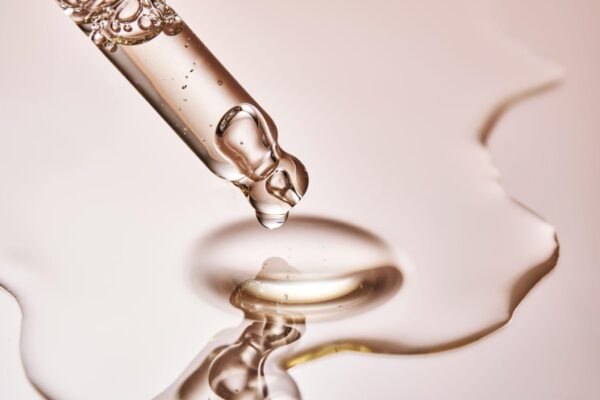
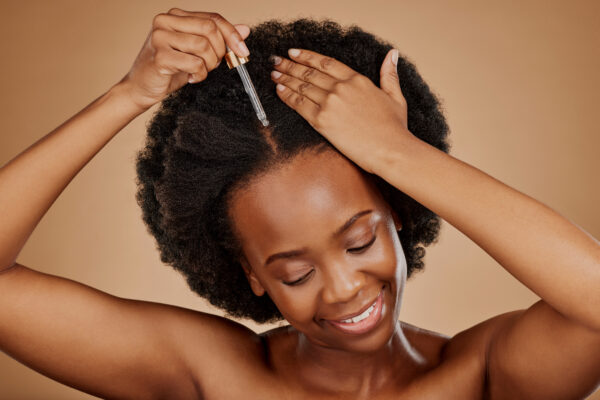
✨ Scalp serums: Allow targeted application and can be developed for convenient leave-on use.
🫧 Creamy cleansers: Combine everyday cleansing with a pleasant massage experience.
🌸 Conditioning treatments: Help create a softer, more nourishing sensory experience when appropriate for the scalp and hair type.
The best format depends on the consumer’s needs and expectations.
Someone with dry-feeling scalp skin may prefer a more nourishing treatment, while someone concerned about oily roots may favor a lighter formulation.
🌱 There isn’t one universal scalp ritual. The opportunity is to offer thoughtful choices that fit different needs and lifestyles.
🧴 Designing Products Around the Experience
For formulators, wellness-driven haircare encourages a broader perspective on product development.
Instead of asking only, “What benefit should this ingredient deliver?” it also becomes useful to ask:
💭 How should this product feel when someone uses it?
That question can influence decisions about emulsifiers, emollients, thickeners, application systems, and the overall sensory profile.
For example:
💆 A scalp massage oil may benefit from enough slip to allow gentle movement without excessive friction.
💧 A daily scalp serum may require quick distribution and minimal residue.
🌿 A soothing scalp lotion may prioritize a lightweight, comfortable finish.
✨ A pre-wash treatment may focus on conditioning and easy removal during cleansing.
Fragrance preferences also deserve consideration. While some consumers associate fragrance with relaxation, others prefer fragrance-free formulations, particularly when scalp sensitivity is a concern.
Thoughtful formulation means designing around those differences rather than assuming every consumer wants the same experience.
🌱 Scalp Wellness Is More Than a Trend
Scalp massage brings together several ideas that are increasingly important in personal care:
🧠 Skin awareness: Recognizing the scalp as living skin that deserves thoughtful care.
💆 Sensory comfort: Creating enjoyable application experiences.
💧 Functional performance: Delivering appropriate conditioning, hydration, and cleansing benefits.
🌿 Intentional routines: Making scalp care a practical part of everyday wellness.
Scientific investigations into massage and hair follicle biology provide interesting background, but the everyday value of a scalp-care ritual doesn’t have to depend on proving new hair growth.
A comfortable product, a gentle application experience, and a routine that consumers enjoy are meaningful formulation goals in their own right.
As haircare continues to adopt more skin-focused approaches, the relationship between product performance and sensory experience will remain important.
✨ Because sometimes the difference between a routine and a ritual isn’t what we use. It’s how we use it.
Coming Next — Part 3: The Future of Scalp Care. We’ll explore how personalization, emerging technologies, and evolving consumer expectations are shaping the next generation of scalp-care formulations.
Formulate a Better Scalp-Care Experience
Explore ingredients and formulation approaches for comfortable, sensory-focused scalp care, or subscribe for more cosmetic science insights.
Resources:
- Koyama, T., et al. (2016). Standardized Scalp Massage Results in Increased Hair Thickness by Inducing Stretching Forces to Dermal Papilla Cells in the Subcutaneous Tissue. Eplasty, 16, e8.
https://pmc.ncbi.nlm.nih.gov/articles/PMC4740347/ - Kim, I.-H., Kim, T.-Y., & Ko, Y.-W. (2016). The effect of a scalp massage on stress hormone, blood pressure, and heart rate of healthy female. Journal of Physical Therapy Science, 28(10), 2703–2707.
https://pmc.ncbi.nlm.nih.gov/articles/PMC5088109/
Citation Note: This article draws on peer-reviewed research examining scalp massage, mechanical stimulation of hair follicle cells, and physiological responses to massage. Both cited human studies involved small participant groups, and their findings should not be interpreted as proof that scalp massage reliably stimulates hair growth or treats psychological stress. Formulation recommendations are presented as cosmetic design considerations, not clinically established outcomes of the cited studies.