The Skinification of Hair Care
Haircare is borrowing more than vocabulary from skincare.
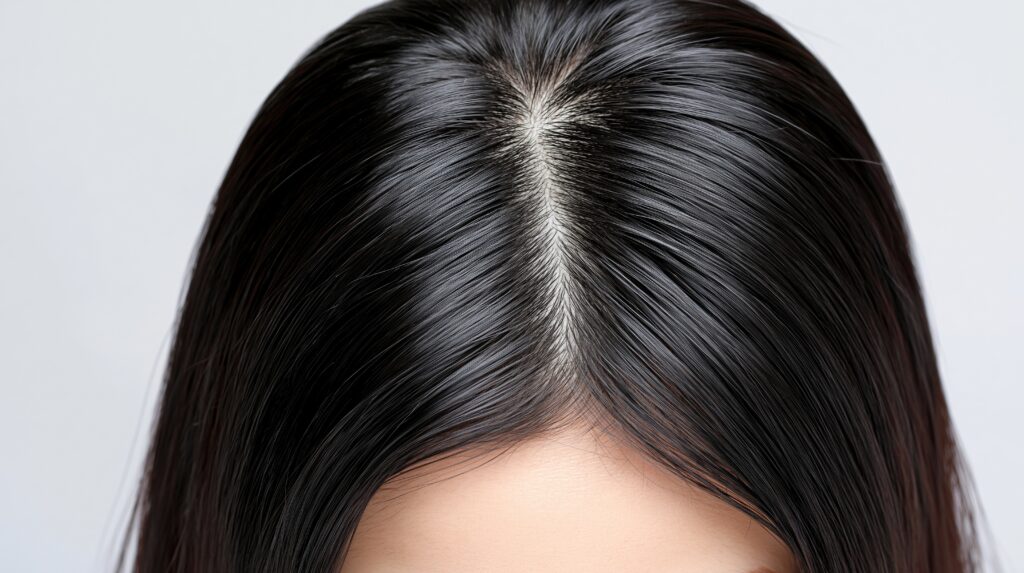
Consumers are increasingly seeing scalp serums, exfoliating treatments, hydrating leave-ons and targeted pre-shampoo products sitting alongside traditional shampoos and conditioners. That shift is often described as the skinification of haircare.
But for formulators, the interesting part isn’t the trend name.
It’s the change in how the scalp is being treated as a formulation target.
Skincare has long been built around specific needs—cleansing, hydration, exfoliation, barrier support and targeted treatment. Scalp care is beginning to follow a similar model, while still accounting for the very different environment created by hair, follicles and sebaceous activity.
🧴 Moving Beyond Shampoo and Conditioner
Traditional haircare has largely been organized around the hair fiber.
Shampoo cleans. Conditioner improves feel and manageability. Styling products shape and protect the finished look.
Scalp-focused products introduce another layer.
Instead of asking only, “What does the hair need?”, formulators can also ask:
💧 Does the scalp need additional hydration?
🛡️ How does cleansing affect scalp comfort and barrier condition?
🫧 Is buildup or excess oil part of the formulation target?
🌿 Would a targeted leave-on treatment make sense?
🎯 Can the product reach the scalp effectively without weighing down the hair?
That change in thinking has helped open the door to entirely new haircare formats.
💧 Hydration Isn’t Just for Facial Skin
Dry or uncomfortable skin isn’t limited to the face.
Research on scalp condition has identified differences in hydration, transepidermal water loss and barrier quality in compromised scalp states, reinforcing the idea that scalp hydration and barrier function deserve consideration in product development.
For formulators, hydration presents an interesting challenge.
A facial moisturizer can leave behind a rich protective film. A scalp product often cannot. Consumers typically want hydration without greasy roots, residue or interference with styling.
That makes format and sensory design especially important.
Lightweight humectant systems, aqueous serums, tonics, essences and targeted applicators can bring skincare-inspired hydration to the scalp while still respecting haircare expectations.
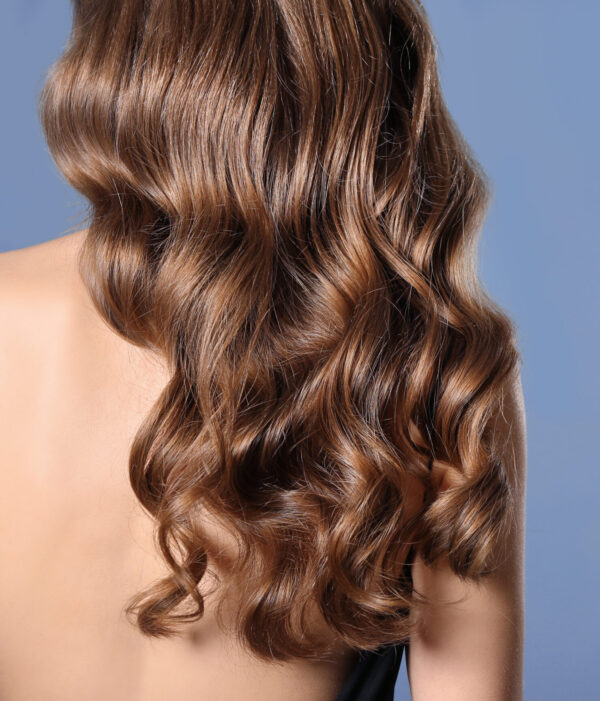
🫧 Cleansing Becomes More Nuanced
The skinification trend also changes the conversation around cleansing.
The goal isn’t simply to remove as much oil as possible.
Sebum, sweat, styling products and environmental debris can accumulate on the scalp, but cleansing systems also interact with the skin barrier and overall scalp environment.
This creates a balancing act:
🧼 Effective cleansing without unnecessary harshness
⚖️ Sebum management without treating all oil as undesirable
💦 Freshness without leaving the scalp feeling stripped
🌿 Buildup removal while maintaining comfortable skin
The question becomes less about maximum cleansing power and more about appropriate cleansing for the intended scalp need and frequency of use.
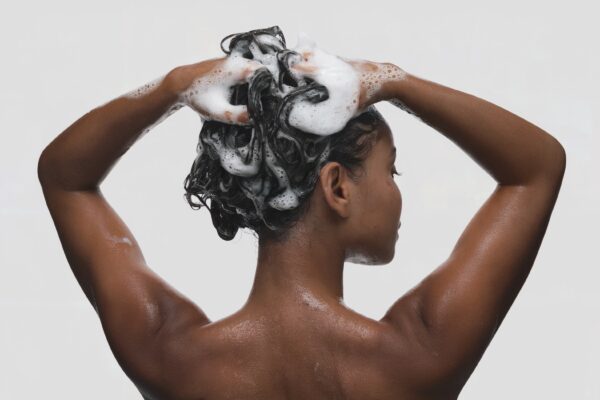
🌿 Targeted Treatments Create New Formulation Opportunities
One of the clearest signs of skinification is the rise of targeted scalp products.
Instead of expecting shampoo to address every concern, brands can separate functions into more specialized formats:
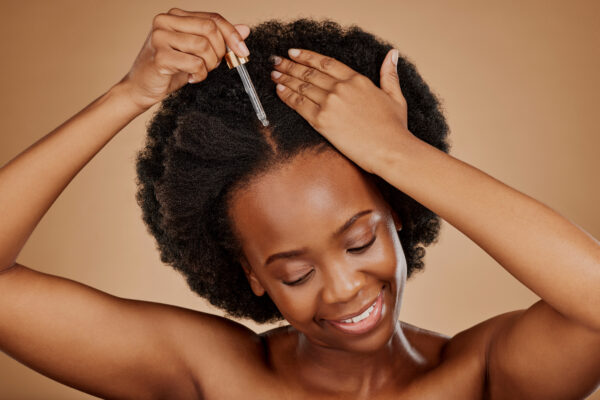
🧪 Scalp serums for lightweight leave-on care
💧 Hydrating tonics and essences
🫧 Pre-shampoo treatments for buildup or excess oil
🌿 Masks designed specifically for the scalp
✨ Exfoliating treatments for periodic use
🎯 Targeted applicators that place product directly where it is needed
Scalp serums in particular illustrate the formulation shift. The format allows ingredients to remain in contact with the scalp without requiring the heavier sensory profile of many traditional conditioning products. Cosmetic formulation guidance also emphasizes the importance of creating lightweight systems that do not leave roots feeling oily.
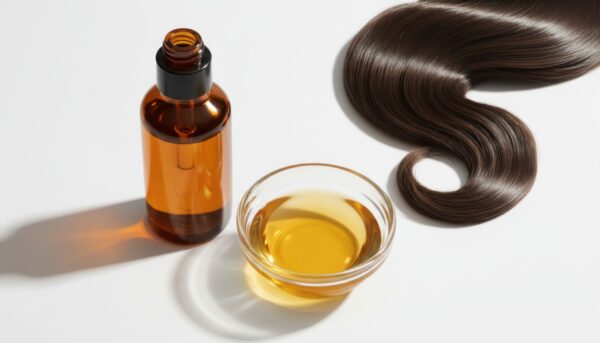
🦠 Microbiome Awareness Enters Haircare
The scalp’s microbial community is another area where skincare thinking is influencing haircare.
Hair follicles create distinct microbial niches, and current research continues to examine how the scalp microbiome interacts with barrier integrity, immune processes, sebum metabolism and follicular biology.
That doesn’t mean every scalp formulation needs a microbiome claim.
It does mean formulators have another reason to think about the scalp as an interconnected environment rather than a surface that simply needs to be washed.
Formulation choices involving cleansing, pH, hydration, sebum management and leave-on treatments can all become part of that broader conversation.
⚗️ Skincare Ideas Still Need Haircare Engineering
There is an important limitation to the idea of skinification:
The scalp is skin, but it is not the face.
Hair changes everything.
Products have to move through dense fibers, reach the scalp, spread effectively and still leave the hair looking and feeling acceptable. A technically excellent skin formula can become a poor scalp product if it leaves roots flat, oily, sticky or difficult to style.
That means successful scalp formulation requires both perspectives:
Skincare thinking helps define the biological need.
Haircare formulation determines how the product can realistically deliver against it.
This is where texture, rheology, residue, application method, rinseability and sensory finish become just as important as the ingredient story.
🌱 A New Way to Think About Haircare
The skinification of haircare isn’t simply about turning every skincare step into a scalp product.
It’s about becoming more precise.
Instead of treating the scalp and hair fiber as a single target, formulators can recognize that each has different needs—and design products accordingly.
That opens the door to lighter treatments, targeted formats and more thoughtful approaches to hydration, cleansing, exfoliation and scalp comfort.
The next generation of haircare may still begin with shampoo.
But it no longer has to end there.
Think Beyond Traditional Haircare
Explore formulation approaches for modern scalp serums, treatments and skincare-inspired haircare concepts.
Request Formulation Support
Keep Exploring Formulation Science
Get educational formulation content, ingredient insights and new ideas delivered to your inbox.
Subscribe to the Newsletter
Li T, Yao D, et al. (2026). The Scalp Microbiome–Hair Axis: Mechanisms and Therapeutic Translation. Research.
https://pmc.ncbi.nlm.nih.gov/articles/PMC13478509/Polak-Witka K, Rudnicka L, Blume-Peytavi U, Vogt A. (2020). The Role of the Microbiome in Scalp Hair Follicle Biology and Disease. Experimental Dermatology.
https://pubmed.ncbi.nlm.nih.gov/30974503/Draelos ZD, et al. (2023). New Topicals to Support a Healthy Scalp While Preserving the Microbiome: A Report of Clinical and In Vitro Studies.
https://pmc.ncbi.nlm.nih.gov/articles/PMC10939504/
Citation Note: These references support the educational discussion of scalp barrier function, hydration, microbiome biology and the development of scalp-focused cosmetic care. They should not be interpreted as therapeutic or pharmaceutical claims for cosmetic products.