🧴 Simplify Your Day: Part 3 — Formulating for Everyday Use
What makes a skincare product successful beyond the laboratory?
Is it the sophistication of its ingredients? Its technical performance? Its ability to deliver several benefits in one application?
All of these can matter.
But there’s another consideration that deserves just as much attention: Will consumers actually enjoy using it?
As we wrap up our Simplify Your Day series, we’re exploring the connection between cosmetic formulation, sensory experience, and everyday usability.
Because even a thoughtfully developed product needs to fit into real life.
🔬 Consistency Changes the Conversation
Skincare isn’t usually a one-time event.
Cleansing, moisturization, and sun protection are ongoing practices. Their value depends in part on how appropriately and consistently consumers maintain them.
For formulators, this creates an interesting challenge.
A product can meet its technical specifications, but if it’s unpleasant to apply or inconvenient to use, consumers may be less inclined to incorporate it into their routine.
✨ What makes a product suitable for everyday use?
💧 Comfortable Application: The product should spread easily and feel appropriate for its intended use.
🛡️ Reliable Performance: It should deliver its intended cosmetic function consistently.
🌿 Everyday Convenience: Application and packaging should fit the consumer’s lifestyle.
🎯 Purposeful Design: Every formulation decision should contribute to a clear product objective.
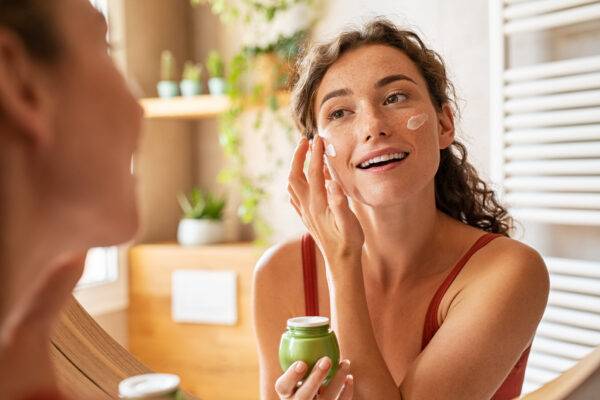
The goal isn’t simply to develop an impressive formulation.
It’s to develop one that consumers find practical and enjoyable enough to use regularly.
✨ The Sensory Side of Skincare
Here’s where cosmetic formulation becomes particularly interesting.
Two products can be designed to deliver similar cosmetic benefits but feel entirely different during application.
One might spread effortlessly and leave a lightweight finish.
Another might feel rich, cushiony, and comforting.
Neither texture is universally better.
Their appeal depends on the intended product, skin type, climate, and consumer preference.
🔬 Sensory characteristics worth considering include:
💦 Spreadability: How easily a product moves across the skin.
🌿 After-Feel: Whether the finish feels lightweight, rich, silky, or greasy.
✨ Texture: How the product’s structure influences dispensing and application.
🫧 Residue: Whether it leaves tackiness, a noticeable film, or unwanted buildup.
🌸 Comfort: How the formulation feels immediately after application.
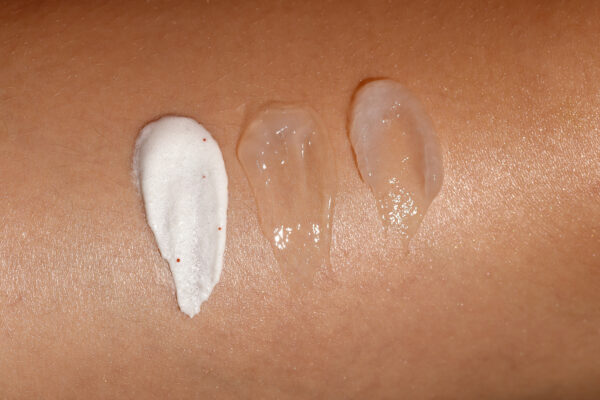
Scientific research has examined how differences in emollient selection and formulation structure influence sensory perception.
For formulators, this reinforces an important concept: sensory design isn’t simply an aesthetic consideration.
It’s part of the overall product experience.
🧪 Formulating for Real Life
A successful formulation should perform as intended while remaining practical for its target consumer.
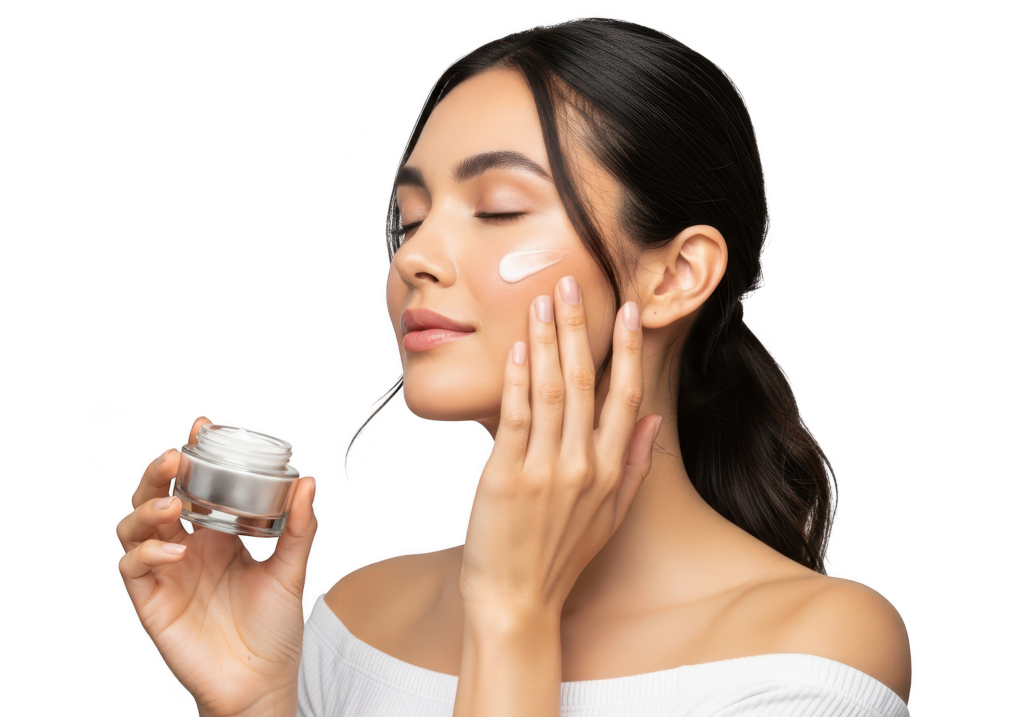
Imagine developing an everyday facial moisturizer.
The formula must provide its intended moisturizing benefits, but that’s only part of the challenge.
The finished product should also meet expectations for application, texture, and convenience.
💡 Questions worth asking during development include:
⚖️ Does the product spread smoothly without excessive rubbing?
💧 Does it provide the intended level of moisturization?
🌿 Is the after-feel appropriate for daytime or nighttime use?
📦 Does the packaging make application convenient?
🔬 Will the formulation maintain its intended characteristics during storage and use?
These considerations help connect laboratory development with real consumer behavior.
A technically sophisticated product that feels sticky, heavy, or inconvenient may struggle to become a preferred part of someone’s routine.
🌿 Choosing the Right Texture for the Right Application
Texture preferences vary considerably, which means selecting the right product format is an important part of formulation design.
Consider a few common skincare formats:
💧 Lightweight Lotions: Often designed for easy spreading and comfortable daytime use.
✨ Gel-Creams: Can offer a refreshing application experience with a relatively lightweight finish.
🧴 Rich Creams: Provide a more substantial sensory experience, often preferred for dry-feeling skin or nighttime routines.
🌿 Serums: Frequently designed with lightweight textures that fit into targeted skincare steps.
These descriptions aren’t universal rules. Final performance depends on the complete formulation, not simply the product category.
The important point is that product format should reflect how, when, and why consumers are likely to use it.
⚖️ Simplicity Still Requires Technical Precision
Creating a product that feels effortless doesn’t eliminate formulation complexity.
In fact, delivering an elegant sensory experience alongside reliable performance often requires careful balancing.
Several technical considerations come into play:
🧪 Ingredient Compatibility: Ensuring ingredients function appropriately within the formulation.
💧 Emollient Selection: Designing the desired softness, spreadability, and finish.
🔬 Rheology: Controlling viscosity, flow, and application behavior.
🛡️ Preservation and Stability: Maintaining appropriate product quality throughout its intended shelf life.
✨ Sensory Balance: Ensuring that performance and usability support one another.

A lightweight cream, for example, may require considerable formulation work to achieve an appealing balance of moisturization, stability, and after-feel.
The consumer experiences a simple, enjoyable application.
The formulator knows how much science went into making it possible.
🌱 Designing Products with Purpose
Skinimalism 2.0 presents an opportunity to reconsider how products are developed.
Rather than focusing on the number of ingredients or benefits listed on a label, formulators can begin with a more useful question:
What does this product need to accomplish for its intended consumer?
That objective can guide decisions throughout development.
🎯 A purposeful formulation strategy considers:
The skin needs the product is intended to address.
The functional role of each selected ingredient.
The sensory characteristics appropriate for the application.
The technical testing needed to support performance and stability.
The experience consumers will have with the finished product.
This doesn’t mean every product must be minimalist.
It means complexity should serve a purpose.
💡 The Formulation Takeaway
Throughout our Simplify Your Day series, we’ve explored three connected ideas:
🧴 Part 1 — The Science Behind Simpler Routines: Understanding essential skin needs provides a foundation for thoughtful product development.
🔬 Part 2 — When More Isn’t Necessarily Better: Additional products and overlapping ingredients don’t automatically improve results.
✨ Part 3 — Formulating for Everyday Use: Sensory performance, convenience, and thoughtful design help connect formulation science with consumer expectations.
Together, they illustrate an important principle behind Skinimalism 2.0.
Effective skincare isn’t about maximizing the number of products or minimizing ingredients at any cost.
It’s about selecting appropriate ingredients, developing balanced formulations, and creating products that make sense in everyday life.
Because successful formulation isn’t just about what a product can do. It’s about creating something consumers want to use.
🌿 Coming Next in Skinimalism 2.0
The Power of Multi-Tasking
Next week, we’ll explore how multifunctional products and purposeful ingredient selection can help streamline skincare routines while maintaining meaningful cosmetic performance.
Formulate for Everyday Life
Explore ingredient solutions that bring together
performance, sensory appeal, and everyday usability.
Resources:
- Gerken, A., et al. (2026).
Sensory Contribution of Emollient Cascades in Skin Creams Evaluated by CATA Analysis. International Journal of Cosmetic Science.
https://doi.org/10.1111/ics.70123 - Sensoriality of Emollient Creams: Can Sensory Experience Compromise Blinding in Trials? (2026). Skin Health and Disease, 6(3), 250-258.
https://pmc.ncbi.nlm.nih.gov/articles/PMC13220023/ - American Academy of Dermatology. (n.d.).
Skin Care on a Budget.
https://www.aad.org/public/everyday-care/skin-care-basics/care/skin-care-budget
Citation Note:
These publicly accessible resources support the educational discussion of skincare habits, emollient selection, sensory characteristics, and cosmetic product usability. They do not substantiate claims for specific cosmetic ingredients or finished formulations.