🧴 Simplify Your Day: Part 2 — When More Isn’t Necessarily Better
Can your skincare routine become too complicated for its own good?
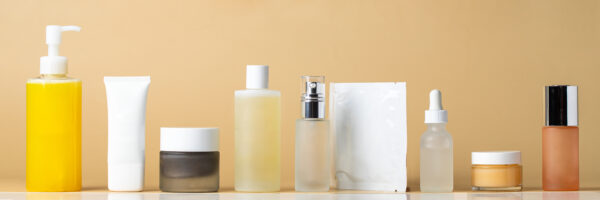
A cleanser, a toner, an exfoliant, two serums, a moisturizer, and a few targeted treatments. Individually, each product might have a legitimate purpose.
But when they’re all used together, an important question emerges:
Is every product actually contributing something useful?
Welcome to Part 2 of our Simplify Your Day series, where we’re exploring why adding more products doesn’t automatically translate into better skincare.
🔬 The Science of Skincare Overload
The skin is a complex biological system, and every topical product introduces another combination of ingredients.
That isn’t inherently a problem. Many skincare products are designed to work alongside others.
However, layering several formulations can increase the number of substances the skin encounters, including:
🧪 Active Ingredients: Compounds selected to provide specific cosmetic benefits.
🌸 Fragrances: Ingredients that contribute to the sensory experience but may not be tolerated by everyone.
💧 Preservatives: Essential for protecting many formulations from microbial contamination.
🌿 Other Functional Components: Ingredients that influence texture, stability, and product performance.
For some individuals, particularly those with sensitive skin, this increased exposure can raise the possibility of irritation or unwanted reactions.
And when several new products are introduced at once, figuring out which one caused a problem becomes more difficult.
💡 The important distinction?
The challenge isn’t simply how many products someone uses.
It’s whether those products are appropriate for their skin, how frequently they’re applied, and how well the overall routine is tolerated.
🧪 When Ingredients Overlap
Have you ever noticed how many skincare products promise similar benefits?
Hydration, exfoliation, smoothing, brightening, and barrier support can appear across several products in the same routine.
Sometimes these functions complement one another.
Other times, consumers may unintentionally repeat ingredients or treatments without recognizing the overlap.
Consider exfoliation:
🫧 A cleanser might contain an exfoliating acid.
💦 A toner may offer similar activity.
✨ A separate treatment could introduce yet another exfoliating ingredient.
Using these products together doesn’t necessarily multiply their benefits.
Depending on the ingredients, concentrations, application frequency, and individual tolerance, the combination may instead increase irritation.
🔬 The takeaway: More exposure isn’t automatically more effective exposure.
For formulators, this reinforces the value of understanding how a finished product fits into the consumer’s broader routine.
🛡️ Why the Skin Barrier Matters
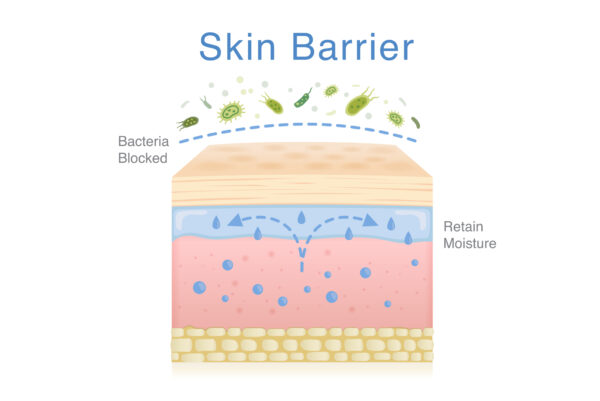
The skin barrier helps regulate moisture loss and limits the entry of external substances.
When skin becomes irritated, consumers may notice:
💧 Dryness or tightness
🌸 Redness or visible irritation
🌿 Increased sensitivity or discomfort
⚠️ Stinging or burning sensations
Repeated exposure to products that aren’t well tolerated can make these concerns more difficult to manage.
It’s important to distinguish between normal product sensations and signs that a formulation may not be suitable for an individual.
For example, a temporary tingling sensation isn’t proof that a product is delivering better results.
Likewise, a complicated routine isn’t necessarily evidence of more sophisticated skincare.
✨A sensible foundation for many routines includes:
Gentle cleansing
Appropriate moisturization
Daily sun protection
Additional treatments can then be selected according to individual needs.
💧 Purposeful Ingredients, Thoughtful Formulations
This is where the concept of Skinimalism 2.0 becomes particularly relevant to cosmetic development.
Instead of creating products around increasingly long lists of benefits, formulators can begin with a specific objective.
🎯 Three questions can help guide development:
What does this product need to accomplish?
What ingredients are best suited to that purpose?
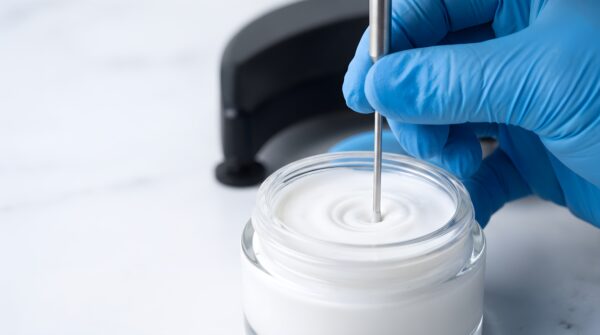
How can they be combined into a stable, comfortable formulation?
For example, a moisturizer designed for sensitive-feeling skin might emphasize:
💦 Hydration: Helping maintain moisture and skin comfort.
🛡️ Barrier Support: Selecting ingredients for their intended cosmetic functions.
🌿 Sensory Appeal: Creating a comfortable texture that encourages everyday use.
🧪 Formulation Performance: Ensuring appropriate ingredient compatibility and stability.
The objective isn’t to eliminate helpful ingredients.
It’s to avoid adding complexity without a clear formulation benefit.
💡 And remember: A shorter ingredient list isn’t automatically a safer or more effective formula. Performance and tolerability depend on the complete formulation.
⚖️ Formulation Compatibility Is Only Part of the Equation
When cosmetic chemists develop a product, compatibility is a fundamental consideration.
Ingredients must remain suitable within the formula’s:
🧪 pH range and processing conditions
⚖️ Stability requirements
📦 Packaging system
📅 Intended shelf life
But compatibility between ingredients within one finished product is not the same as tolerability when several different products are applied to the skin.
For example, two stable formulations may each perform well individually, yet using them together could be unsuitable for someone with particularly reactive skin.
This is why finished-product testing, clear usage instructions, and realistic claims are important.
A successful formulation must perform as intended while also fitting the way consumers actually use it.
🌿 Making Every Step Count
Simplifying a routine doesn’t mean abandoning targeted skincare.
Some consumers benefit from specialized products, and dermatologist-directed treatments may be necessary for specific concerns.
The principle is to be intentional.
Rather than adding a product simply because it is new or popular, consider whether it fulfills a need that isn’t already being addressed.
✨ For product developers, this means focusing on:
🎯 Clear Purpose: What specific need does the product address?
🔬 Meaningful Benefits: Are performance claims supported by evidence?
💧 Consumer Experience: Is the product comfortable and convenient to use?
🌿 Routine Compatibility: Does it fit naturally into the consumer’s existing habits?
These considerations create opportunities to communicate meaningful benefits without encouraging unnecessary complexity.
💡 The Formulation Takeaway
Skinimalism 2.0 isn’t about deciding that fewer ingredients are always better.
It’s about recognizing that the number of products in a routine tells us very little about how well that routine works.
What matters is the relationship between the skin’s needs, the products being used, and the experience they create together.
For cosmetic formulators, that means prioritizing:
🧪 Compatibility
🛡️ Tolerability
🌿 Purposeful ingredient selection
✨ Meaningful consumer benefits
Rather than complexity for its own sake.
Because smarter skincare isn’t about how much you put on your skin. It’s about understanding why you’re putting it there.
✨ Coming Next: Simplify Your Day — Part 3
The Routine You’ll Actually Stick To
We’ll explore why consistency, sensory experience, and everyday convenience matter just as much as creating a technically sophisticated formulation.
Make Every Ingredient Count
Explore purposeful skincare formulation strategies
and discover more cosmetic science insights.
Resources:
- American Academy of Dermatology. (n.d.).
Skin Care on a Budget.
https://www.aad.org/public/everyday-care/skin-care-basics/care/skin-care-budget - American Academy of Dermatology. (n.d.).
How to Test Skin Care Products.
https://www.aad.org/public/everyday-care/skin-care-secrets/prevent-skin-problems/test-skin-care-products/ - American Academy of Dermatology. (n.d.).
Do Facial Masks Work, and Should I Add One to My Skin Care Routine?
https://www.aad.org/public/everyday-care/skin-care-secrets/routine/facial-masks-and-skin-care - American Academy of Dermatology. (n.d.).
How to Maximize Results from Anti-Aging Skin Care Products.
https://www.aad.org/public/everyday-care/skin-care-secrets/anti-aging/maximize-anti-aging-products
Citation Note:
These publicly accessible dermatology resources support the educational discussion of skincare routine complexity, product layering, potential irritation, and purposeful skincare. They do not substantiate claims for specific cosmetic ingredients or finished formulations.