🧴 Simplify Your Day: Part 1 — The Science Behind Simpler Routines
How many skincare products does someone really need?
Walk down any beauty aisle, and it’s easy to believe that healthy-looking skin requires an increasingly complicated routine. Cleansers, toners, serums, exfoliants, moisturizers, and specialized treatments all compete for a place on the bathroom shelf.
But here’s an interesting question: Does adding more steps necessarily lead to better skin?
Not always.
Welcome to Skinimalism 2.0, an approach to personal care built around a straightforward idea: Choose what works, understand why it works, and make every step count.
🔬 Your Skin Already Has a System
Before discussing skincare routines, it helps to understand what the skin is already doing.
Our skin is remarkably sophisticated. Its outermost layer, the stratum corneum, acts as a protective barrier that helps regulate water loss while limiting exposure to external irritants.
Think of it as a carefully constructed wall.
Skin cells function like bricks, while the surrounding lipids act like mortar, helping hold everything together. Ceramides, cholesterol, and fatty acids all contribute to this protective structure.
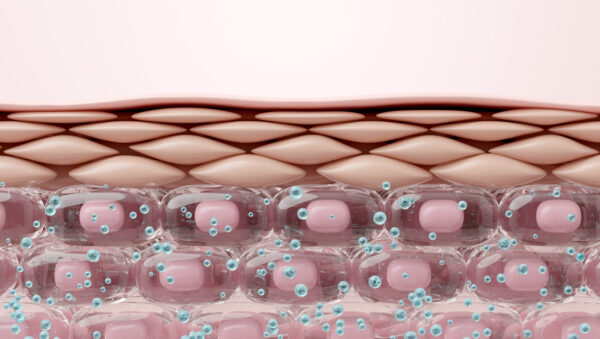
When the barrier is functioning properly, skin is better equipped to retain moisture and maintain comfort.
This means effective skincare doesn’t necessarily require an elaborate collection of products. Often, the most important consideration is supporting the functions skin already performs.
💧 Start with What Skin Actually Needs
Skinimalism doesn’t mean eliminating useful ingredients or abandoning skincare science.
It means building a routine around essential needs.
Three foundational considerations illustrate this approach:
💦 Hydration: Maintaining adequate moisture helps skin feel comfortable, supple, and smooth.
🛡️ Barrier Support: Gentle cleansing and appropriate moisturization help maintain the skin’s protective functions.
☀️ Daily Protection: Broad-spectrum sunscreen and other sun-protective measures help protect exposed skin from UV damage.
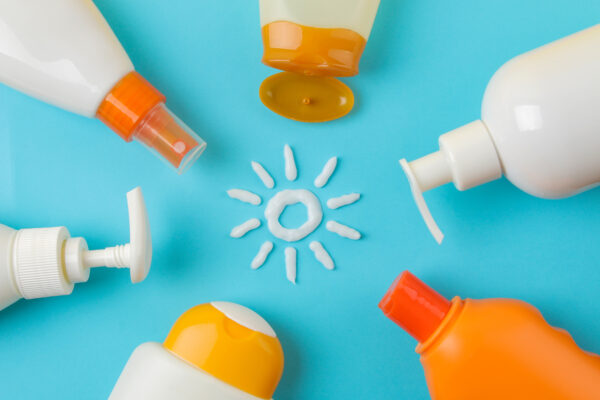
Additional products may be beneficial depending on individual concerns, but they should serve a clear purpose rather than simply add another step.
The goal isn’t necessarily the shortest routine. It’s a routine that makes sense.
🧪 Simpler Routines Still Require Sophisticated Formulation
Here’s where things get especially interesting for cosmetic formulators.
A product that feels effortless to the consumer may require considerable scientific thought behind the scenes.
Consider a daily moisturizer.
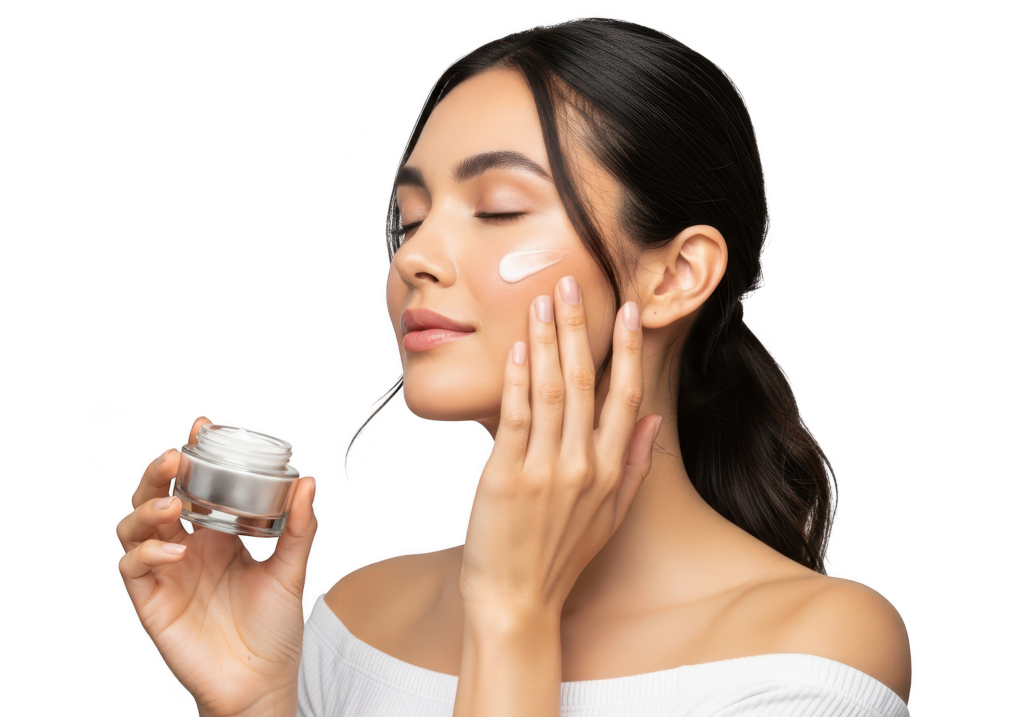
Its formulation might include components that attract water, soften the skin’s surface, and help reduce moisture loss. Each serves a different function, yet they must work together within one stable product.
And performance isn’t determined by ingredients alone.
Formulators must consider:
🔬 Compatibility: How ingredients interact within the finished formulation.
💧 Texture: Whether the product feels appropriate for its intended use.
⚖️ Stability: How well the formulation maintains its properties over time.
✨ Sensory Experience: How the product spreads, absorbs, and feels after application.

A lightweight moisturizer that applies smoothly and leaves skin feeling comfortable may be more appealing for daily use than a heavier product with an unpleasant residue.
In other words, simpler skincare doesn’t necessarily mean simpler formulation.
It means thoughtful science makes the consumer experience feel simple.
🌿 Everyday Convenience Makes a Difference
Personal care products don’t exist in isolation. They’re part of morning routines, evening rituals, travel schedules, and busy lives.
A product can be scientifically impressive, but if it’s inconvenient or unpleasant to use, consumers may be less inclined to make it part of their daily routine.
That makes practical considerations important throughout the development process.
For formulators, a few questions can help guide product design:
✨ Is the product easy and enjoyable to apply?
💧 Does the texture fit its intended application?
🌿 Can it be incorporated comfortably into an everyday routine?
🔬 Does each ingredient contribute to a clear formulation objective?
These considerations help connect scientific performance with consumer expectations.
💡 Skinimalism Is About Intention, Not Restriction
There’s no universal number of skincare products that’s right for everyone.
Different skin types, environments, and individual concerns require different approaches.
Skinimalism 2.0 recognizes this distinction.
Instead of treating additional products as automatic improvements, it encourages a more intentional approach to product selection and formulation development.
For cosmetic formulators, the opportunity is to create products that address genuine skin needs while remaining approachable, comfortable, and convenient.
And for consumers, that can mean less time navigating an overwhelming collection of products and more confidence in the ones they choose.
The best routine isn’t necessarily the one with the most steps. It’s the one where every step has a reason to be there.
That’s where smarter skincare begins.
🔬 Coming Next: Simplify Your Day — Part 2
When More Isn’t Necessarily Better
We’ll explore what happens when skincare routines become overloaded and why adding another product isn’t always the answer.
Simplify Your Approach to Skincare
Explore thoughtful formulation strategies
and discover more cosmetic science insights.
Resources:
- The Skin Barrier: An Extraordinary Interface with an Exceptional Lipid Organization. (2023). Progress in Lipid Research.
https://pmc.ncbi.nlm.nih.gov/articles/PMC10841493/ - Skin Lipid Barrier: Structure, Function and Metabolism. (2024). Peer-reviewed scientific review.
https://pmc.ncbi.nlm.nih.gov/articles/PMC11450438/ - American Academy of Dermatology. Skin Care on a Budget.
https://www.aad.org/public/everyday-care/skin-care-basics/care/skin-care-budget
Citation Note: These publicly accessible resources support the educational discussion of skin barrier structure, hydration, and simplified skincare routines. They do not substantiate claims for specific cosmetic ingredients or finished formulations.