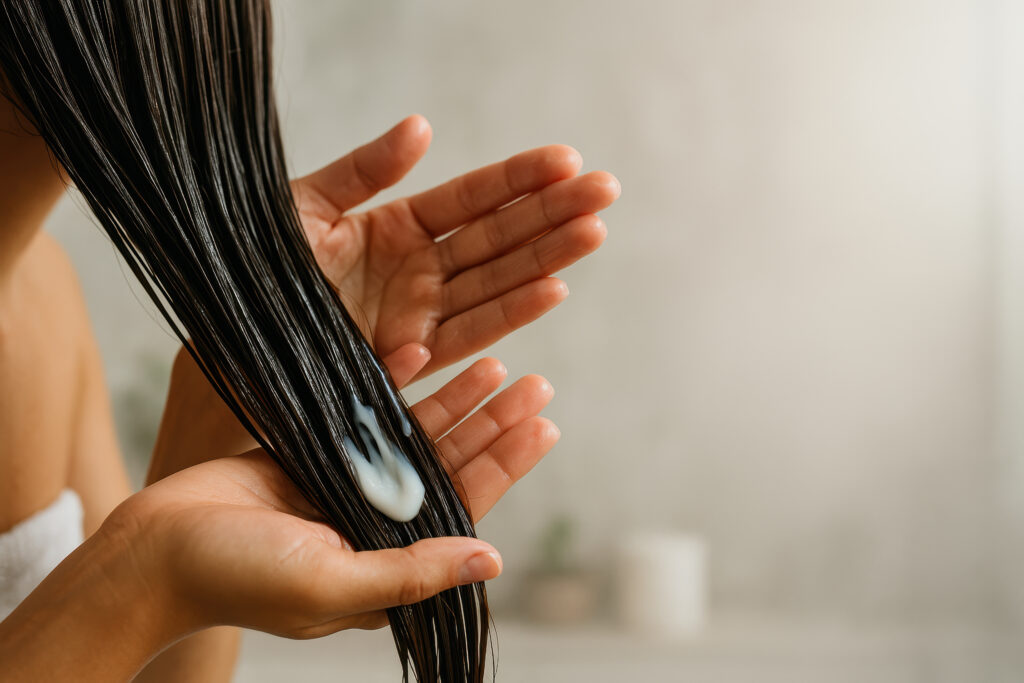
Exercise has an established recovery routine.
Hydrate. Cool down. Stretch. Refuel. Rest.
But while muscles tend to get most of the attention, the body’s largest organ has been participating in the workout from the beginning.
Skin helps regulate temperature as blood flow increases and sweat carries heat to the surface. Add friction from clothing, repeated wiping, outdoor exposure, equipment contact, and the shower that usually follows, and post-workout skin has its own set of needs.
That makes body care a logical part of the recovery conversation.
Sweat Is Part of the Cooling System
As exercise raises internal temperature, the body increases blood flow to the skin and activates eccrine sweat glands.
Sweat reaching the skin surface can evaporate and carry heat away from the body. It is an essential part of thermoregulation—not something the skin is simply trying to get rid of.
Sweat is also more than water. Its composition can include electrolytes, amino acids, metabolites, and other components, with concentrations influenced by sweat rate, environmental conditions, physiology, and other variables.
For formulators, the important point is simple:
Exercise temporarily changes the environment at the skin’s surface.
🏃 Heat rises as physical activity increases metabolic heat production.
💦 Sweat accumulates on the skin surface as part of thermoregulation.
👕 Friction increases where skin, clothing, equipment, and repeated movement interact.
🌡️ The environment matters because temperature and humidity influence sweat production and evaporation.
🚿 Cleansing usually follows, adding another interaction with the skin barrier.
Sweaty Does Not Necessarily Mean Hydrated
This is where post-workout skin becomes interesting.
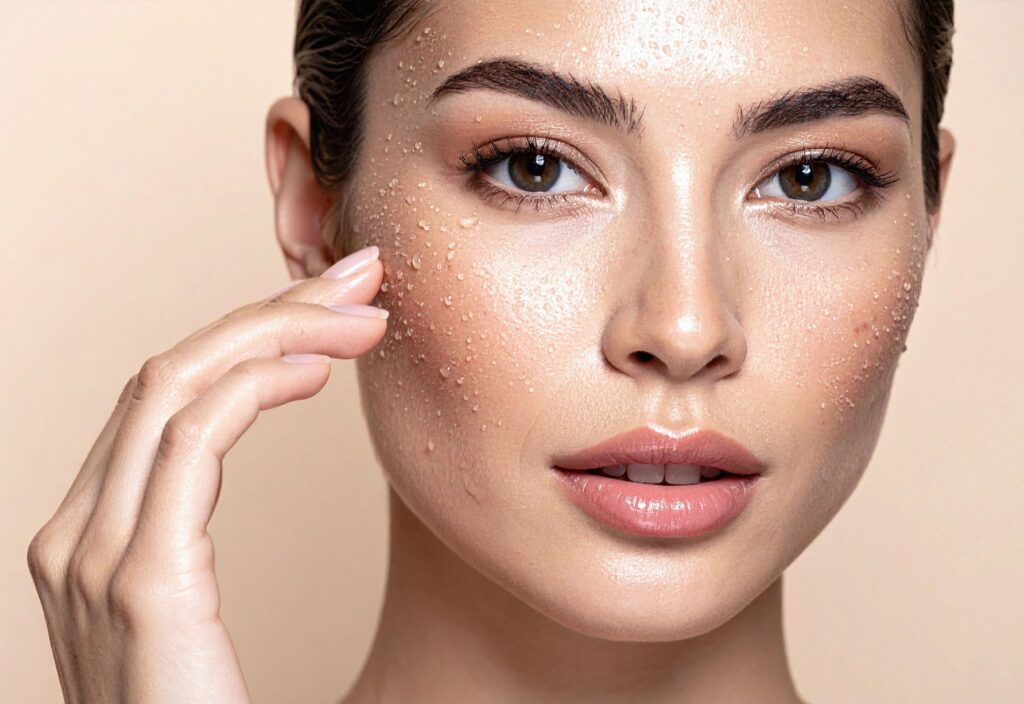
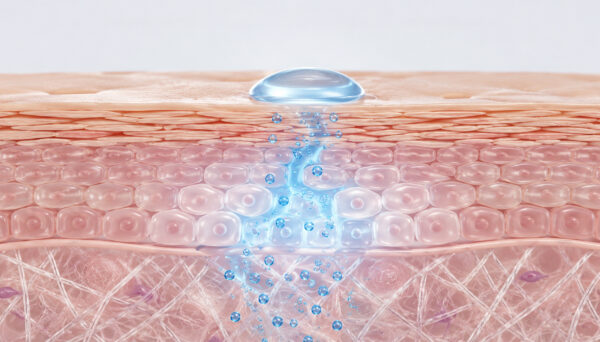
Immediately after exercise, wet skin may certainly look hydrated. But surface moisture from sweat and the water balance of the stratum corneum are not the same thing.
Research examining exercise and skin function shows that stratum corneum hydration can change dynamically around exercise. Some studies have observed increased hydration immediately following activity followed by a decline later in recovery.
That means “sweaty” and “well moisturized” should not be treated as synonyms.
Post-workout body care can therefore move beyond simply making skin feel clean.
💧 Rehydrate — Help restore a comfortable, moisturized skin feel after sweat and cleansing.
🌿 Refresh — Create a sensory transition from exercise into recovery.
🛡️ Replenish — Consider the lipids, emollience, and barrier-supportive elements of the post-cleanse formula.
✨ Condition — Leave large areas of body skin feeling smooth and comfortable without an unnecessarily heavy finish.
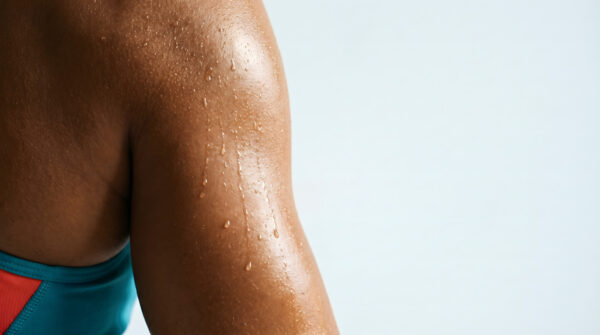
Then Comes the Shower
The post-workout shower is another important piece of the equation.
Cleansing removes sweat, sebum, soil, sunscreen residue, and other material accumulated during exercise. But water temperature, cleansing frequency, surfactant system, and repeated washing can also influence how skin feels afterward.
This is why post-workout care should not necessarily stop at “wash the sweat off.”
The more useful formulation question is:
What should the skin feel like five minutes after the shower?
Clean, certainly.
But perhaps also comfortable. Smooth. Refreshed. Rehydrated. Ready to move on with the day.
That opens the door to body washes, shower products, lotions, gels, sprays, light emulsions, and other formats designed specifically around the transition from exertion to recovery.

Recovery Can Be a Formulation Architecture
A post-workout body product does not need to do everything.
Instead, think of recovery as a sequence of formulation jobs.
💦 Refresh the surface
Create a clean, cooling, lightweight, or sensorially fresh experience appropriate for warm post-workout skin.
💧 Restore moisture
Use humectant and hydration strategies that address the skin’s water-binding and moisture-retention needs.
🛡️ Support the post-cleanse barrier
Consider emollients, lamellar structures, and other formulation approaches that help restore a comfortable conditioned feel.
🌸 Create a sensory reset
Texture, fragrance, botanical waters, and application format can signal that the active part of the day is over and recovery has begun.
The result does not have to be a thick body butter.
In fact, someone who is still warm after exercising may prefer exactly the opposite: fast-spreading, refreshing body care that provides hydration and comfort without making freshly cleansed skin feel coated.
What About Odor?
Exercise also changes the odor conversation, but sweat itself is not the entire story.
Fresh eccrine sweat is largely odorless. Characteristic body odor develops through interactions between skin secretions and microorganisms on the skin surface, particularly in areas such as the underarms.
This makes antiperspirant and deodorant—APDO—applications another relevant part of post-workout personal care.
APDO products have a different job than moisturizers or body lotions, but they fit naturally into the same recovery routine.
🧼 Cleanse what accumulated during activity.
💧 Rehydrate areas that feel dry or tight afterward.
🌿 Refresh skin that still feels warm.
🛡️ Replenish after cleansing.
🌸 Address odor and perspiration needs with appropriate APDO formats.
Rather than expecting one product to do everything, formulators can think about post-workout recovery as a system of complementary body-care applications.
Exercise Is Good for Skin—Recovery Care Is About Context
It is important not to frame exercise itself as harmful to skin.
Research increasingly suggests that regular physical activity may support aspects of skin function, including circulation, skin structure, and moisturizing function.
The post-workout beauty opportunity exists because acute exercise temporarily creates a very different skin environment.
Heat rises. Sweat flows. Clothing rubs. Cleansing follows.
So rather than positioning body care as repairing damage caused by exercise, a more credible concept is to formulate for the conditions surrounding exercise and recovery.
Your muscles already have a recovery plan.
Maybe your skin should, too.
Building Post-Workout Body Care?
Explore hydration, emulsion, sensory, and body-care technologies designed to turn the post-workout routine into a complete skin recovery experience.
Want the Ingredient Side of Recovery?
Subscribe for ingredient spotlights, formulation strategies, technical education, and new personal-care concepts.
Resources
Oizumi R, et al. 2024. The Potential of Exercise on Lifestyle and Skin Function: Narrative Review. JMIR Dermatology.
Oizumi R, et al. 2021. The Association Between Activity Levels and Skin Moisturising Function in Adults. Dermatology Reports.
Baker LB. 2019. Physiology of Sweat Gland Function: The Roles of Sweating and Sweat Composition in Human Health. Temperature.
Baker LB, Wolfe AS. 2020. Physiological Mechanisms Determining Eccrine Sweat Composition. European Journal of Applied Physiology.
Popkin BM, D’Anci KE, Rosenberg IH. 2010. Water, Hydration and Health. Nutrition Reviews.
Citation Note: Scientific references support the educational discussion of exercise, sweating, thermoregulation, skin hydration, odor formation, and barrier function. They are not intended to substantiate performance claims for individual cosmetic ingredients.