At the end of a long day, we have ways of telling ourselves it is time to switch gears.
We change clothes. Lower the lights. Stretch. Wash our face. Take a shower. Put down the phone—or at least try to.
None of these actions individually turns stress off like a switch. Together, however, they create something powerful: a transition.
That same idea is creating new possibilities in personal care.
Recovery-focused skincare does not have to be limited to hydration or barrier support. Formulators can also think about the experience surrounding the formula—touch, texture, temperature, scent, application, and the biological communication occurring between skin and the nervous system.
Welcome to the evening reset.
Your Skin and Brain Are Already Talking
The relationship between skin and the nervous system is not simply a wellness metaphor.
Skin contains sensory receptors, nerve endings, immune cells, endocrine signaling systems, and biochemical pathways that allow it to detect and respond to its environment.
Communication also works in both directions.
Psychological stress can influence processes occurring within the skin, while sensations originating at the skin surface are continuously communicated back to the nervous system.
This bidirectional communication is often described as the skin–brain axis.
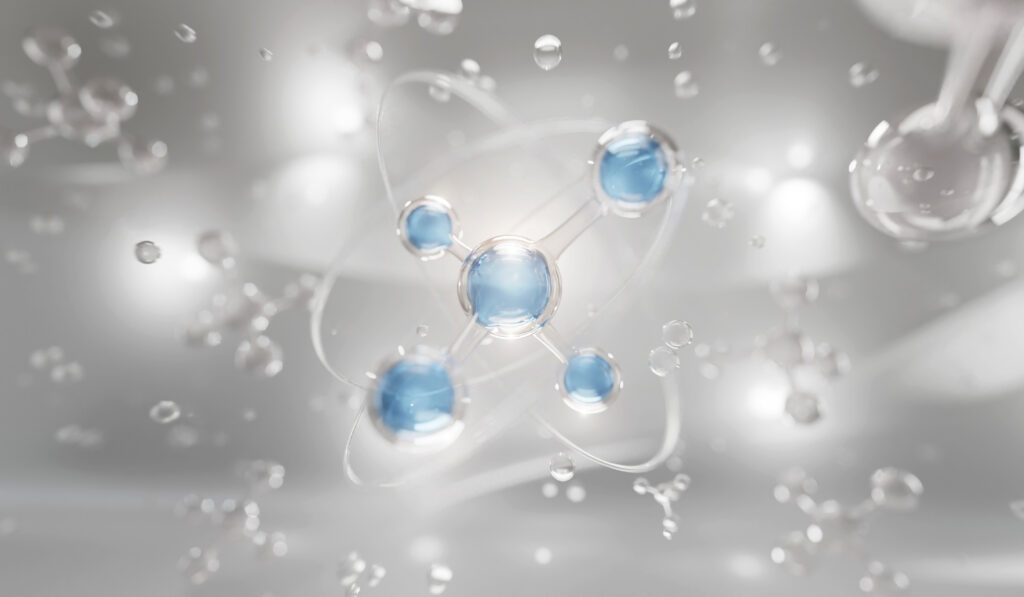
It is also part of the scientific foundation behind neurocosmetics—an emerging area of cosmetic science focused on interactions with neurosensory, neuroimmune, and neuroendocrine pathways in the skin.
🧠 Neural signals help skin detect touch, temperature, discomfort, and other sensations.
🧬 Neuroendocrine signaling connects stress-related biological pathways with skin function.
🛡️ Immune signaling participates in the skin’s response to environmental and internal challenges.
🌿 Sensory perception influences how a cosmetic product feels during and after application.
The important distinction is that neurocosmetics should remain grounded in measurable skin biology and consumer perception—not broad promises that a topical cosmetic can somehow treat psychological stress.

The Ritual Is Part of the Experience
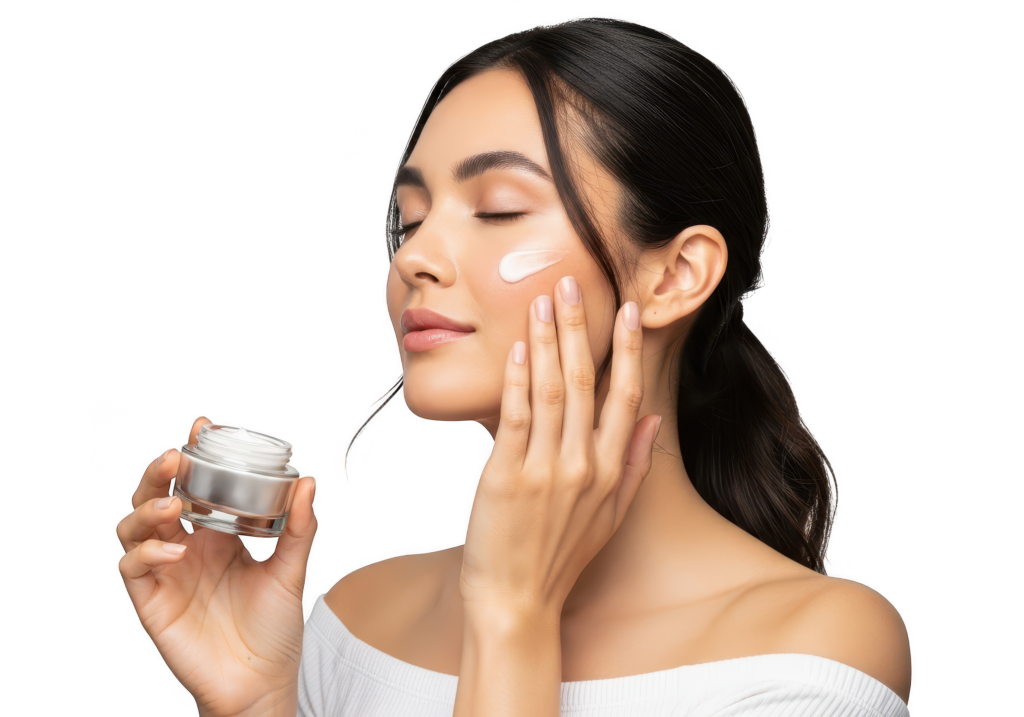
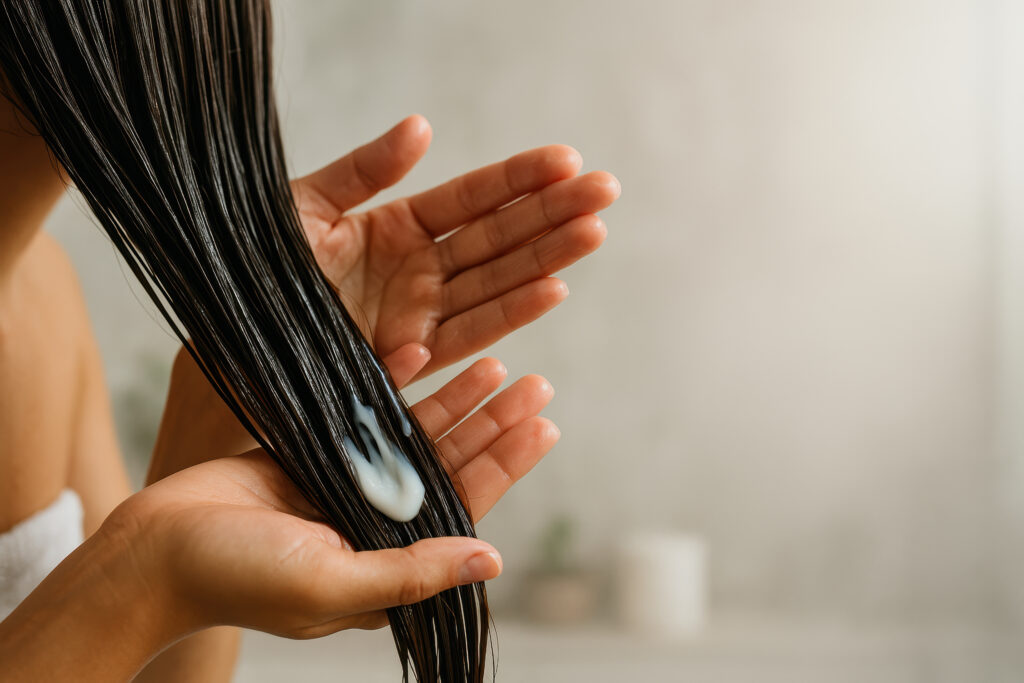
Consider what happens during an evening skincare routine.
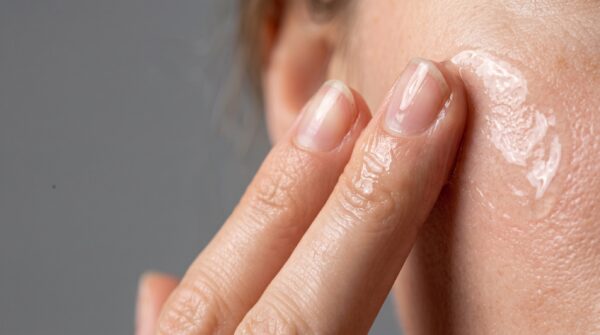
The product touches the skin. Texture changes as it spreads. Temperature is perceived. Fragrance may be detected. Pressure from the fingertips stimulates sensory receptors.
Meanwhile, the routine itself may be associated with something equally important:
The active part of the day is ending.
That does not mean a moisturizer is meditation in a jar.
It means the sensory design of personal care matters.
A formula that feels sticky, heavy, difficult to spread, or unpleasantly fragranced can create an entirely different experience from one designed around comfortable application and intentional sensory cues.
For formulators, this expands the evening-reset conversation beyond active ingredients.
🤲 Touch — Application itself creates tactile stimulation.
🌸 Scent — Olfactory cues can influence the character and emotional association of a routine.
💧 Texture — Lightweight, silky, cushiony, cooling, or rich textures communicate different experiences.
🌡️ Temperature — Cooling or warming sensations can become part of product perception.
⏳ Ritual — Repeating a familiar routine can create a recognizable transition point in the day.

Have You Tried Downward Dog for Your Skin?
Not literally.
But there is something useful hidden inside the joke.
Yoga, breathing exercises, warm showers, skincare, reading, and other evening rituals can all serve as behavioral signals that the day’s high-activity period is ending.
Personal care can become part of that transition.
The formulation opportunity is not to claim that a cream produces the physiological effects of meditation. Instead, it is to recognize that consumers experience products through multiple sensory channels at once.
The question becomes:
What should an evening-reset formula communicate from the moment it touches the skin?
❄️ Maybe it is cool and refreshing.
🫧 Maybe it spreads slowly and feels cushiony.
🌿 Maybe it has a subtle botanical sensory profile.
🤍 Maybe it leaves skin feeling comfortable rather than heavily coated.
✨ Different products can create different interpretations of recovery.
Neurocosmetics Add Another Layer
Traditional cosmetic formulation often starts with a visible goal:
Hydrate. Smooth. Brighten. Soothe.
Neurocosmetic science adds another question:
How does the skin perceive what is happening?
Skin possesses receptors and signaling pathways involved in sensations such as heat, cold, itch, discomfort, touch, and sensitivity. These pathways interact with immune and endocrine signaling and help connect the skin’s physical state with sensory perception.
This does not replace traditional cosmetic science.
It expands it.
🌿 Comfort can be a formulation objective.
🧠 Skin perception can be considered alongside visible appearance.
💧 Hydration and barrier condition still matter because uncomfortable skin changes the sensory experience.
✨ Sensoriality becomes part of product performance rather than decoration added at the end.
This is why recovery-focused formulation can benefit from considering both biology and experience.
Build the Reset, Not Just the Formula
An evening recovery concept can be approached as a sequence.
🧼 Remove the day — Cleansing creates the physical transition from environmental exposure and accumulated products into the evening routine.
💧 Restore comfort — Hydration and appropriate emollience can address how skin feels after cleansing and daily exposure.
🌿 Calm the experience — Soothing and neurocosmetic strategies can support comfortable-feeling skin.
🤲 Consider touch and texture — Application mechanics influence the sensory experience immediately.
🌸 Create an intentional sensory profile — Scent, texture, and format should complement rather than compete with the concept.
🌙 Make the routine repeatable — A beautiful concept only works if consumers actually want to use it again tomorrow.
The strongest evening-reset product may therefore be the one that connects skin science, sensory design, and routine behavior without pretending they are the same thing.
Recovery Is a Transition
Part One of our Recover Better series looked at what daily environmental and lifestyle stress can mean for skin.
Part Two moved recovery beyond the face and into post-workout body care.
Part Three brings those ideas together.
The body slows down.
The environment changes.
The routine changes.
And skincare can become one of the signals that it is time to recover.
Maybe your skin doesn’t need downward dog after all.
But it may benefit from a better reset ritual.
Building an Evening Reset Formula?
Explore neurocosmetic, soothing, sensory, and formulation technologies designed to bring skin comfort and intentional sensoriality into the recovery routine.
Explore More Formulation Ideas
Subscribe for ingredient spotlights, formulation concepts, technical education, and emerging personal-care trends.
Resources
Marano G, et al. 2026. Neurocosmetics and the Skin–Brain Axis from a Psychological and Psychiatric Standpoint. Cosmetics.
Haykal D, et al. 2025. Beyond Beauty: Neurocosmetics, the Skin-Brain Axis, and the Future of Emotionally Intelligent Skincare. Clinics in Dermatology.
Rizzi V, et al. 2021. Neurocosmetics in Skincare—The Fascinating World of Skin–Brain Connection. Cosmetics.
Chen Y, Lyga J. 2014. Brain-Skin Connection: Stress, Inflammation and Skin Aging. Inflammation & Allergy Drug Targets.
Neurocosmetics and Aromatherapy Through Neurocutaneous Receptors and Their Functional Implications in Cosmetics. Cosmetics. 2025.
Citation Note: Scientific references support the educational discussion of the skin–brain axis, cutaneous neurobiology, sensory perception, stress signaling, and neurocosmetic science. They are not intended to substantiate performance claims for individual cosmetic ingredients or imply treatment of psychological or medical conditions.