The next generation of cosmetic actives is not simply defined by discovering another ingredient with another benefit.
Increasingly, innovation begins one level deeper: with the biology behind the concern.
Skin, scalp, and hair are dynamic biological systems. Their appearance is influenced by microbial communities, cellular signaling, oxidative balance, renewal cycles, inflammatory responses, and interactions between cells and their surrounding environment.
As our understanding of these systems becomes more precise, active ingredient development is moving in the same direction.
Instead of beginning with the question “What does this ingredient do?”, formulators can increasingly begin with a more fundamental one:
What biological process are we trying to support?
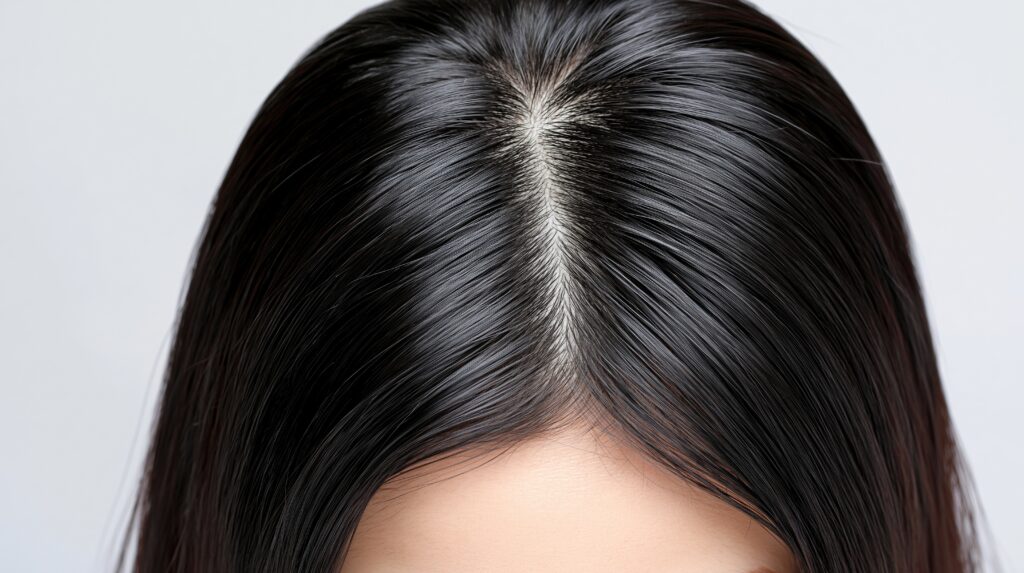
The Scalp Is an Ecosystem
Scalp care offers a clear example of this shift.
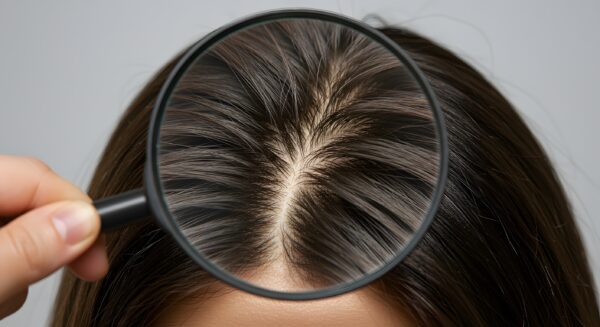
The scalp surface and hair follicle support complex microbial communities that exist within distinct biological environments. Research continues to explore how these microorganisms interact with follicular function, immune activity, and scalp homeostasis.
This developing science is expanding the formulation conversation beyond cleansing and conditioning.
Postbiotic and microbiome-focused approaches give formulators another way to think about scalp care: supporting the environment in which healthy-looking hair develops.
That means considering microbial balance alongside barrier condition, scalp comfort, oxidative stress, and the biological environment surrounding the follicle.
Formulation takeaway: Treat the scalp as an ecosystem, not simply the surface beneath the hair.

Nucleotides Enter the Skin-Renewal Conversation
Another rapidly developing area of active science centers on DNA-derived nucleotides and polydeoxyribonucleotides, commonly known as PDRN.
PDRN has been studied primarily in tissue-repair and regenerative models. Research has investigated its involvement in processes including cellular migration and growth, inflammatory modulation, angiogenesis, and tissue repair. These findings come largely from medical and wound-healing research and should not automatically be translated into cosmetic claims.
For cosmetic science, however, the broader concept is significant.
Traditional renewal strategies often begin at the skin surface. Nucleotide-based technologies introduce another possibility: exploring the biomolecular processes associated with cellular renewal and regeneration.
Advances in biotechnology are also expanding the potential sources and manufacturing approaches for nucleotide-based materials, giving formulators access to increasingly sophisticated active technologies.
Formulation takeaway: Skin renewal is increasingly being explored at the biomolecular level—not only at the surface.
Hair Care Moves Closer to Follicle Biology
The visible hair fiber is only the final product of a much more complex biological system.
Hair follicles move through repeating growth, transition, and resting phases controlled by multiple signaling pathways and interactions within the follicular environment.
Oxidative stress is one important part of that system. When reactive oxygen species exceed the body’s antioxidant defenses, they can interfere with normal follicular homeostasis. Research has linked oxidative stress with inflammation and signaling changes that can disrupt normal hair growth and cycling.
This creates a different formulation opportunity.
Instead of addressing only the hair after it emerges from the scalp, advanced hair and scalp care can also consider the biological environment responsible for producing the fiber in the first place.
That opens opportunities for formulation strategies centered on oxidative balance, follicular support, scalp condition, and the processes surrounding the hair bulb.
Formulation takeaway: Healthy-looking hair begins before the fiber emerges from the scalp.
Retinoid Science Continues to Evolve
Not every next-generation active requires the discovery of an entirely new biological pathway.
Sometimes innovation comes from finding a better way to work with one that is already well understood.
Retinoids are a strong example.
Vitamin A derivatives have been extensively studied because retinoid signaling influences cellular proliferation and differentiation as well as processes associated with the extracellular matrix and visible photoaging.
For cosmetic formulators, however, retinoid development has always involved balancing activity, stability, tolerability, and formulation practicality.
That has encouraged continued development of retinol precursors and retinyl esters. These approaches can offer formulators different ways to work within established vitamin A pathways while balancing stability and consumer experience.
It is an important distinction.
Next-generation technology does not always replace established science.
Sometimes it creates a better route into it.
Formulation takeaway: Innovation can come from improving how an established biological pathway is accessed.

Start With the Biological Target
Microbiome science, nucleotide-based technologies, follicular biology, and retinoid pathways may seem like very different areas of cosmetic science.
But they point toward the same larger change.
Active selection is becoming more deliberate.
Instead of beginning with a collection of familiar claims, formulators can increasingly start with the biological question:
What process are we trying to support?
Is the goal to support the scalp ecosystem?
Encourage cellular renewal?
Help maintain an environment favorable to healthy-looking hair?
Or work within an established pathway associated with skin renewal and visible aging?
Once the biological target is clear, ingredient selection becomes more precise.
And that may be one of the defining characteristics of the next generation of active ingredients:
Not simply doing more—but being designed to do a more specific job.
Turn Biology Into Formulation Strategy
Explore active technologies designed around more targeted approaches to skin, scalp, and hair biology.
Stay Ahead of What’s Next
Subscribe for formulation insights, ingredient technologies, product updates, and emerging personal care trends.
Resources
Polak-Witka, K., et al. (2021). The Potential Relevance of the Microbiome to Hair Physiology and Regeneration: The Emerging Role of Metagenomics. Biomedicines.
https://pmc.ncbi.nlm.nih.gov/articles/PMC7996884/
Galeano, M., et al. (2021). Polydeoxyribonucleotide: A Promising Biological Platform to Accelerate Impaired Skin Wound Healing. Pharmaceuticals.
https://pmc.ncbi.nlm.nih.gov/articles/PMC8618295/
Du, F., et al. (2024). Oxidative Stress in Hair Follicle Development and Hair Growth: Signalling Pathways, Intervening Mechanisms and Potential of Natural Antioxidants. Journal of Cellular and Molecular Medicine.
https://pmc.ncbi.nlm.nih.gov/articles/PMC11196958/
Mambwe, B., et al. (2025). Cosmetic Retinoid Use in Photoaged Skin: A Review of the Compounds, Their Use and Mechanisms of Action. International Journal of Cosmetic Science.
https://pmc.ncbi.nlm.nih.gov/articles/PMC11788006/
Citation Note: These open-access scientific references provide background on scalp microbiome science, nucleotide-based regenerative research, oxidative stress in hair-follicle biology, and cosmetic retinoid mechanisms. They are provided to support the educational discussion and should not be interpreted as substantiation for any individual commercial ingredient.