Understanding the Scalp Dilemma in Modern Formulation
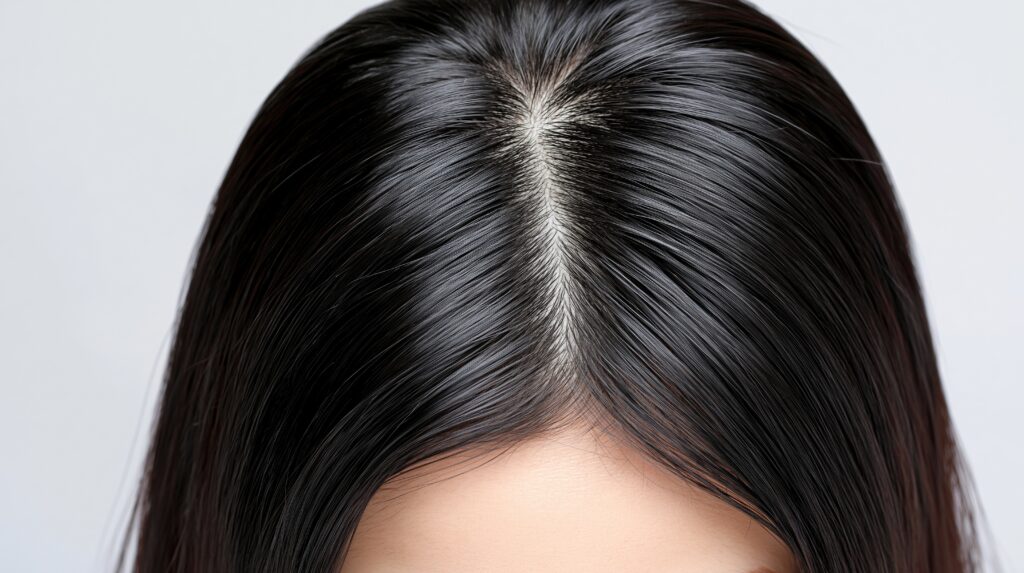
Formulators today face a complex challenge in scalp care: developing effective anti-dandruff treatments that not only work fast but also avoid harsh antifungals, preserve the delicate scalp microbiome, and align with clean beauty principles. Consumer demand has shifted sharply—away from aggressive active ingredients and toward more natural, sustainable, and multifunctional options that offer both efficacy and comfort.
Dandruff remains one of the most common and persistent scalp concerns worldwide. Affecting up to 50% of adults—particularly in the 20 to 50 age range—it is often accompanied by itchiness, irritation, and flaking, all of which impact consumer confidence and comfort. While traditional treatments like climbazole, zinc pyrithione, and piroctone olamine have long been staples in rinse-off systems, concerns over irritation, resistance development, regulatory restrictions, and microbiome disruption have made them less desirable for future-focused formulations.
In response, Givaudan Active Beauty’s latest research on DandErase™ introduces a breakthrough botanical approach with demonstrated clinical efficacy—even in leave-on formats.
Executive summary
A double-blind, placebo-controlled leave-on study with DandErase™ showed a visible dandruff reduction within 24 hours, sustained through Day 28. As a botanical, microbiome-friendly active for scalp serums and tonics, it supports clean-label positioning with practical processing ranges.
Leave-on format 24-hour improvement Botanical Microbiome-friendly
What Formulators Are Up Against: Dandruff, Regulation, and Performance Pressure
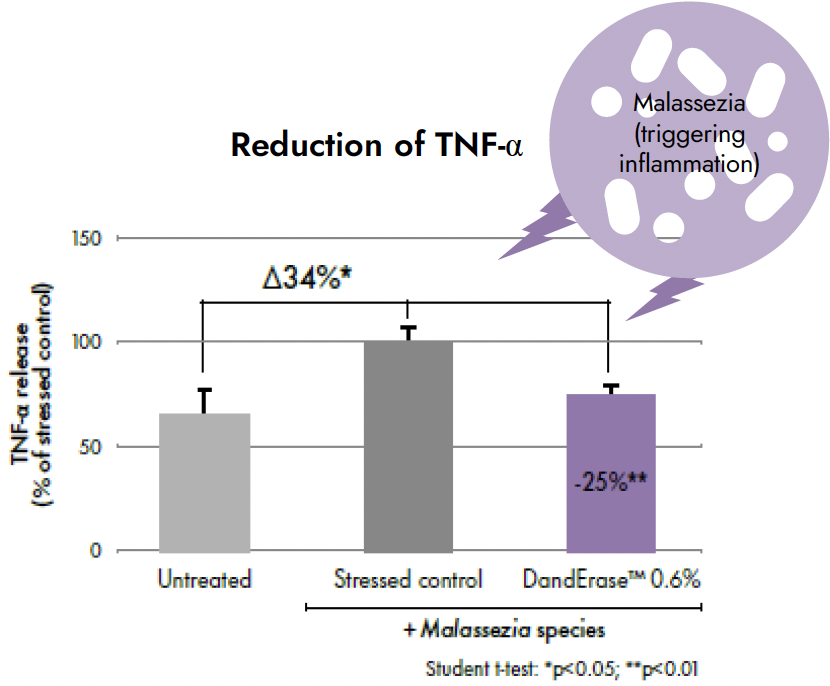
The path to effective scalp care is full of trade-offs. Historically, chemical antifungals have played a dominant role in dandruff treatments by targeting Malassezia spp.—lipid-dependent yeasts that trigger inflammation, barrier disruption, and itch. However, these compounds are often microbiome-disruptive, can provoke irritation, and are increasingly flagged by regulators. For instance, zinc pyrithione is now banned in the EU due to its reprotoxic risk, and climbazole is flagged as a potential endocrine disruptor by ECHA (2024).
DandErase™ vs. common anti-dandruff actives
| Criteria | DandErase™ | Climbazole / Piroctone / Ketoconazole (general) |
|---|---|---|
| Origin | Botanical; green fractionation | Synthetic / drug contexts |
| Microbiome | Selective for Malassezia; gentle on bacteria | Broader impact likely; drug contexts vary |
| Format fit | Designed for leave-on; water-soluble | Often rinse-off; regulated positioning |
| Early outcome | Visible reduction at 24h (leave-on clinical) | Typically not shown as leave-on |
Adding to the challenge, consumers expect rapid results without visible residues or heavy textures, particularly in leave-on systems. From a formulation standpoint, this means balancing efficacy with solubility, stability, and sensory appeal—all within clean-label constraints.
The demand for gentler, natural, and multifunctional alternatives has also grown. According to a 2024 Mintel report on haircare trends in Brazil, 59% of consumers believe healthy hair starts with scalp health, and 32% actively seek anti-dandruff solutions that are mood-boosting and microbiome-friendly. This shift is driving formulators to explore new ingredient systems that work within these modern parameters—without compromising performance.
DandErase™: A Multidimensional Botanical Solution
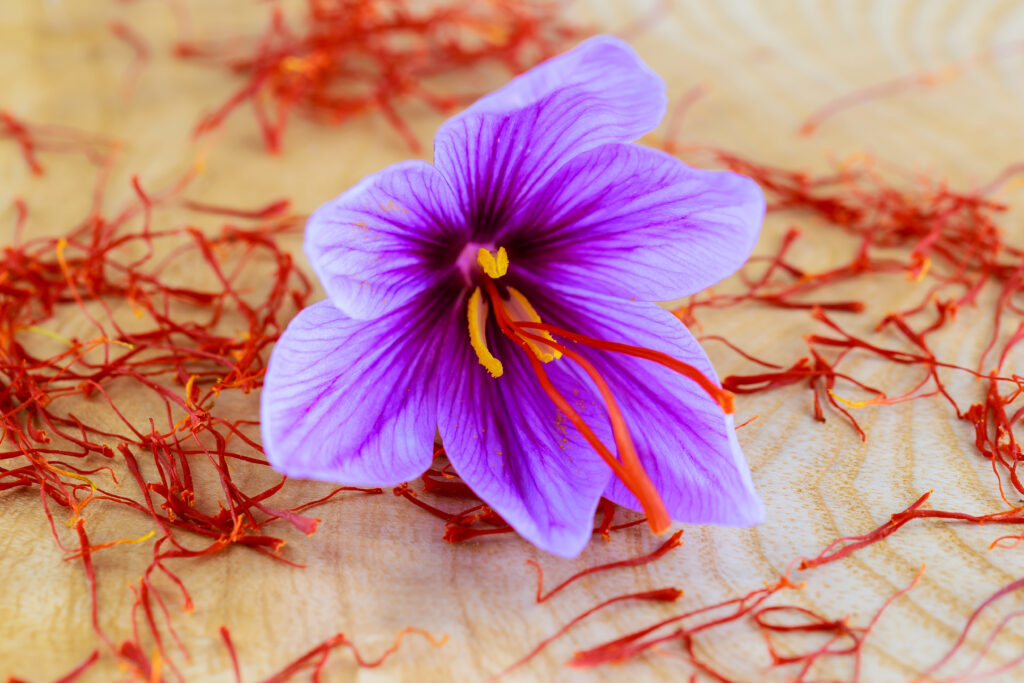
DandErase™, developed by Givaudan Active Beauty, is a multifunctional scalp care active derived from Crocus sativus flower extract, processed via green fractionation and stabilized in a NaDES (Natural Deep Eutectic Solvent) matrix.
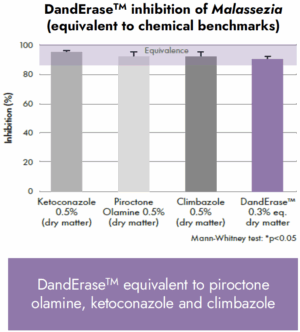
It targets the multifactorial nature of dandruff with a four-pronged mechanism: antifungal, anti-inflammatory, anti-itch, and barrier-restoring. DandErase™ is a complex phytocomplex contains rare and potent flavonoids, such as kaempferol-3-O-sophoroside and astragalin, along with kinsenoside. The synergy of these actives contributes to its antifungal action against Malassezia globosa, while minimizing the risk of resistance often seen with single-molecule antifungals.
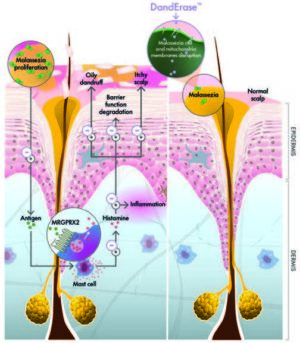
Unlike conventional actives, DandErase™ is water-soluble, 100% of natural origin (ISO 16128), COSMOS-certified, and microbiome-friendly—making it particularly well-suited for clean formulations in both rinse-off and leave-on formats.
In a recent clinical study, DandErase™ demonstrated effectiveness within just 24 hours of leave-on application, showing up to 80% dandruff reduction by Day 28 with both 1.5% and 3% dosage levels.
The Science Behind the Solution: Biological and Clinical Efficacy
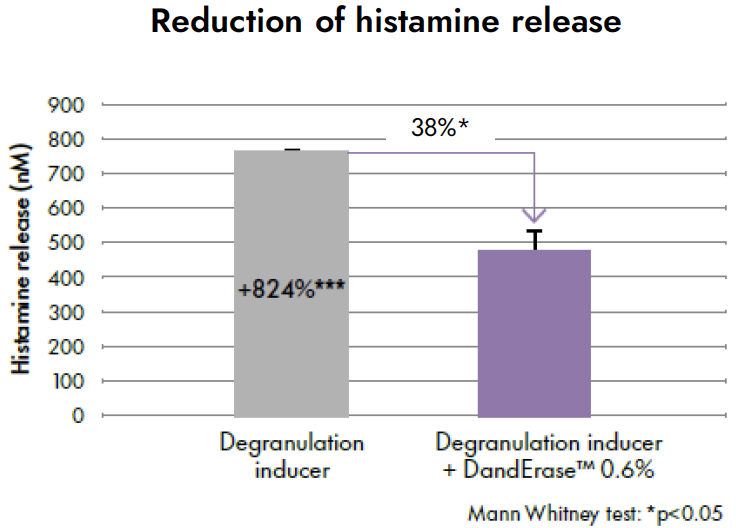
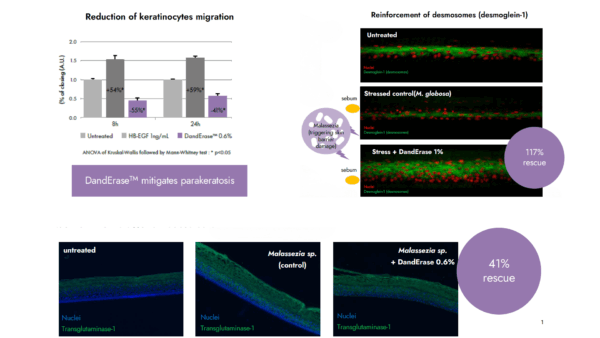
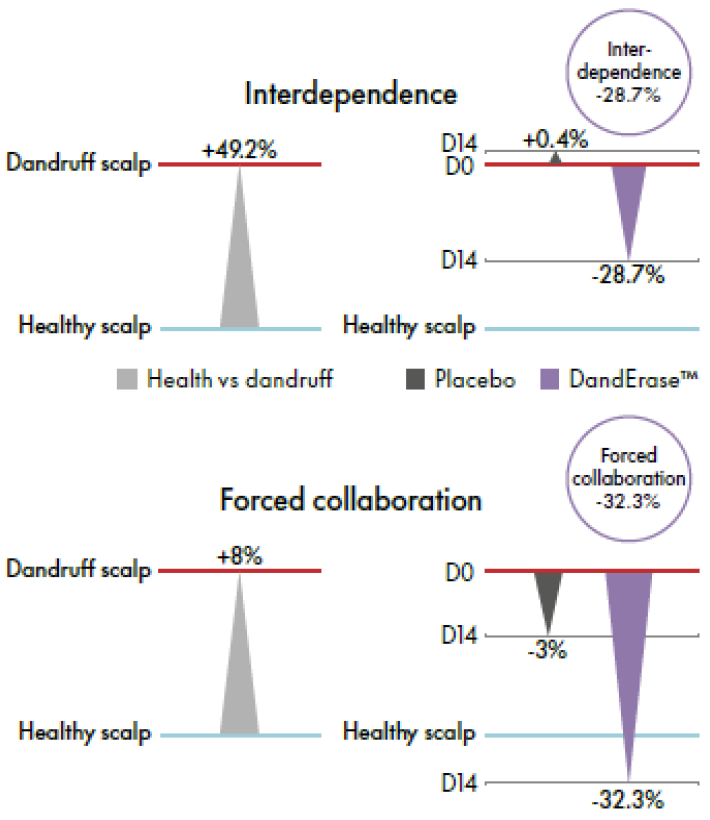
Leave-On Study Highlights: Proven Efficacy in 24 Hours and Maintained Through 28 Days
Clinical results at-a-glance (leave-on)
Design: Double-blind, placebo-controlled; leave-on lotion at 1.5% and 3%; n=103 women, 24–60 years; once daily; ≥6-hour contact before washing.
| Timepoint | Outcome summary |
|---|---|
| 24 hours | Visible dandruff area reduced by 62.9% (1.5%) and 66.4% (3%) vs baseline; both significantly better than placebo. |
| Day 14 | Continued significant improvement vs baseline/placebo; dermatologist assessments aligned with flaking reductions. |
| Day 28 | Improvement maintained; high responder rates; consumer feedback: 100% reported visible dandruff reduction and itch relief; slower scalp oil production. |
The recent leave-on clinical study on DandErase™ marks a significant advancement in scalp care formulation. Conducted in China, this double-blind, placebo-controlled trial evaluated the efficacy of DandErase™ in a leave-on lotion format at concentrations of 1.5% and 3%. A total of 103 women aged 24 to 60 years old, all presenting visible dandruff and self-reported scalp itching, were enrolled. Importantly, the study design allowed participants to maintain their existing shampoo routines, minimizing external influence and mimicking realistic consumer use patterns. Each subject applied the test lotion once daily, with specific instructions to allow a minimum six-hour contact time before washing.
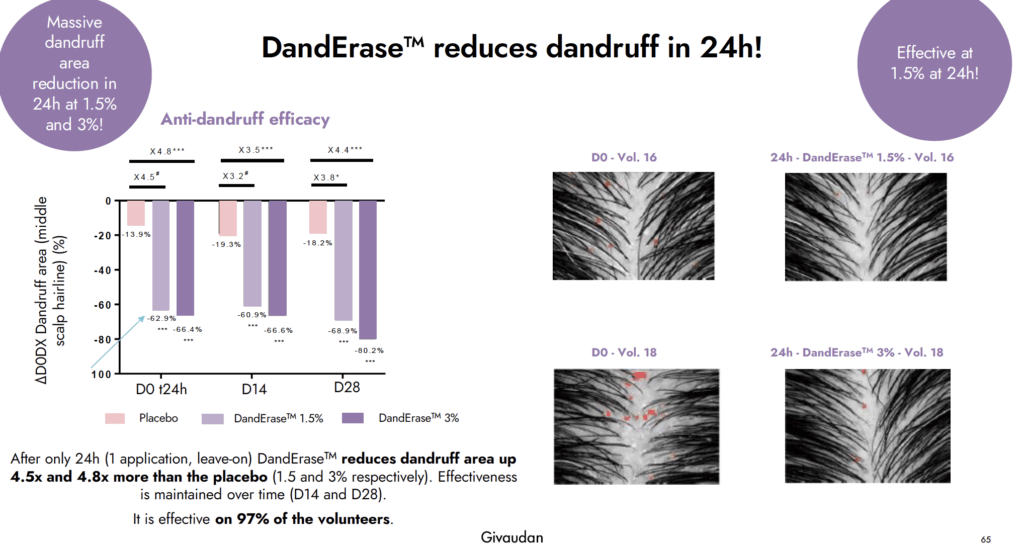
The results were notable. Both concentrations of DandErase™ demonstrated significant reductions in visible dandruff area after just one application, with 1.5% and 3% formulas reducing dandruff area by 62.9% and 66.4%, respectively, after 24 hours. This effect was not only statistically significant compared to placebo but also maintained through Day 28, confirming DandErase™’s long-lasting activity in leave-on applications. Dermatological assessments aligned with these findings, and subjective consumer feedback further validated the efficacy: 100% of users in the 1.5% and 3% groups agreed that dandruff was visibly reduced, itching was relieved, and scalp oil production slowed down. These outcomes support DandErase™ as a leave-on-compatible ingredient with high user compliance, fast action, and durable performance.
Clinical Evidence: A Botanical Active That Competes with Leading Anti-Dandruff Actives
In addition to the leave-on results, DandErase™ has demonstrated strong clinical efficacy in rinse-off formats, offering formulators versatile options for targeting dandruff across product types. In a controlled comparative study, a 3% DandErase™ shampoo was tested against both a placebo and the top-selling anti-dandruff shampoo in France (containing 0.5% piroctone olamine). Over a four-week period, 30 volunteers used the DandErase™ shampoo three times per week. Half of them were switched to placebo after Day 14 to evaluate long-lasting effects beyond active application. The study used standardized scales to measure visual dandruff, scalp flake count via C-Cube imaging, and self-reported itch and irritation.
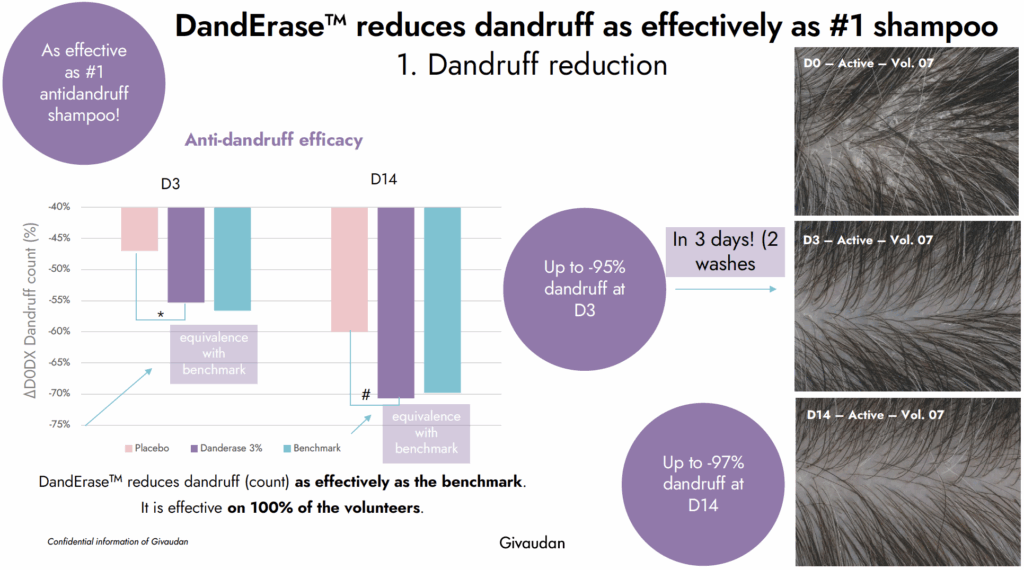
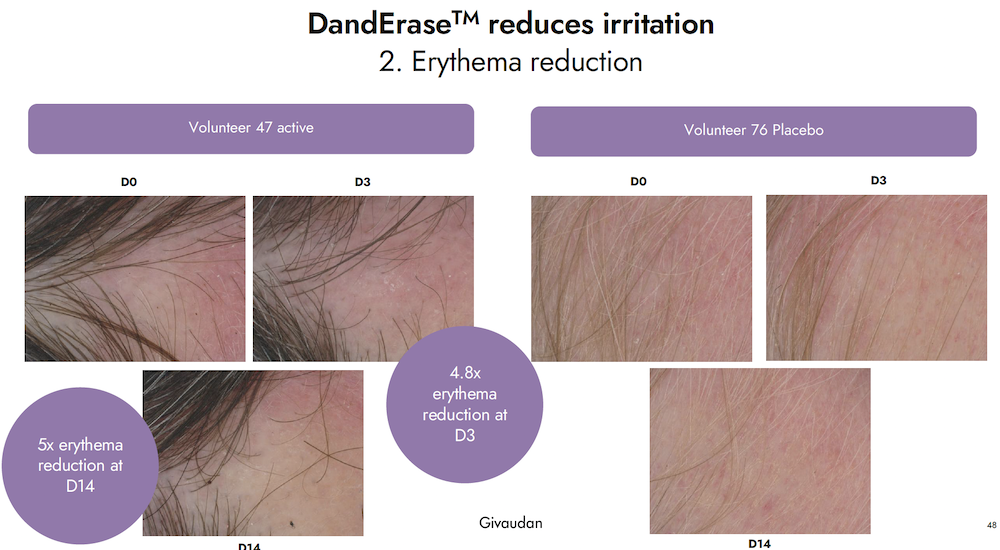
DandErase™ matched the benchmark shampoo in performance and exceeded expectations in certain areas. By Day 3, dandruff was reduced by up to 95%, and by Day 14, up to 97%, demonstrating a rapid onset of action similar to that of piroctone olamine. Furthermore, 100% of participants showed improvement, and the anti-dandruff effect persisted even after transitioning to placebo—a clear indicator of microbiome rebalancing and not just symptomatic suppression. Unlike chemical benchmarks, DandErase™ also reduced erythema and signs of inflammation, with 4.8× greater reduction in scalp redness compared to placebo. When considering its performance across both rinse-off and leave-on formats, DandErase™ stands out as a rare botanical active that delivers consistent, quantifiable relief from dandruff without compromising on scalp health or microbiome integrity.
Formulating leave-on serums and tonics
Quick facts
- Use level (leave-on): 1.5–3.0% (typical). Rinse-off reference: ~3% in shampoo/conditioner.
- Solubility / phase: Water-soluble; add in the water phase.
- pH window (processing): Formulate between pH 4–8; raw material as-is pH is 4.0–6.0.
- Temperature: Add at ≤ 40 °C with standard shear.
- Appearance of ingredient: Clear yellow-brown to light brown liquid.
- Preservation (in the active): None (preserve the finished formula as appropriate).
Prototype snippet — Clear scalp tonic (leave-on)
Water (q.s. to 100%) Humectant blend (e.g., glycerin / propylene glycol) 2–4% DandErase™ 2.0% Polymeric thickener / film former 0.1–0.3% Panthenol 0.2–0.5% (optional) Preservative system (q.s.) Adjust pH ~5.0–5.5; add DandErase™ ≤40 °C; fill (spray/pump)INCI & compliance cues
- INCI: Water (and) Betaine (and) Potassium Lactate (and) Lactic Acid (and) Crocus sativus Flower Extract
- Positioning: 100% natural origin (ISO 16128), water-soluble, microbiome-friendly; suitable for clean-label claims (verify per region).
Storage & handling (ingredient)
- Shelf life: 547 days (unopened, per supplier)
- Storage: Dry, well-ventilated; preferably full, hermetically sealed; ambient 10–30 °C; protect from light
- Flash point: > 100 °C
A New Chapter for Scalp Serums, Tonics, and Leave-On Treatments
For formulators seeking a next-generation active that’s effective, natural, and microbiome-friendly, DandErase™ sets a new standard. Backed by robust biological mechanisms and clinical validation in both rinse-off and leave-on systems, it addresses not just dandruff, but the full spectrum of scalp discomfort—from itch to inflammation to barrier dysfunction.
The future of anti-dandruff care doesn’t lie in more aggressive chemistry—it lies in smarter, gentler design. And with DandErase™, that future is already here.
Ready to reformulate scalp care with DandErase™? Contact us at Deveraux Specialties to request technical documentation, samples, or a prototype consultation.
Ready to evaluate DandErase™ for your next scalp-care launch?
Cosmetic use only; claims and availability vary by market. Confirm with your regulatory team.
FAQs
Yes. In a double-blind, placebo-controlled study, a leave-on application with DandErase™ showed visible reduction at 24 hours and sustained improvements through Day 28.
Clinical and microbiome readouts indicate selective reduction of Malassezia with no measurable impact on bacterial populations, consistent with a microbiome-friendly profile.
Typical 1.5–3.0% in leave-on; formulate around pH 4–8; add ≤ 40 °C in the water phase. Validate in your base and region per the latest TDS.
Yes. In shampoo, DandErase™ matched a leading anti-dandruff benchmark on dandruff-count reduction and improved erythema, with no rebound after discontinuation.
Related readings
-
Leave-on vs. rinse-off scalp care
How contact time affects flake reduction and supports microbiome-friendly anti-dandruff strategies.
-
Microbiome-friendly scalp care playbook
Practical “skinified hair” tactics for serums and tonics, including postbiotic performance angles.
-
Biofilm in scalp disorders: what to do
Why persistent flakes often involve biofilms—and formulation levers within cosmetic frameworks.
Resources
- Givaudan Active Beauty. “Presentation DandErase – Long DEF leave on.” 2025.
- Kantar Profiles/Mintel. “Brazil Haircare Market Report 2024.” Mintel Store. 2024. https://store.mintel.com/report/brazil-haircare-market-report
- Karray, S., & McKinney, W. “Malassezia virulence factors and their role in dermatological disorders.” Acta Dermatovenerol Alp Pannonica Adriat. 2022.
https://acta-apa.org/journals/acta-dermatovenerol-apa/papers/10.15570/actaapa.2022.8/actaapa.2022.8.pdf - Patel, N. et al. “Multifaceted MRGPRX2: New Insight into the Role of Mast Cells in Itch.” Journal of Investigative Dermatology. 2019.
https://www.jacionline.org/article/S0091-6749(21)00721-1/fulltext - European Chemicals Agency (ECHA). “Candidate List of substances of very high concern for Authorisation.” ECHA. 2024.
https://echa.europa.eu/candidate-list-table