Habit Stacking: Why Better Skin & Hair Routines Start One Step at a Time
There is no shortage of advice telling consumers what they should add to their beauty routines.
A serum for this. A treatment for that. Another mask. Another active. Another step.
Before long, a routine that started with a few essentials can become surprisingly complicated.
In Part 1 of Your Ultimate Performance Playbook, we are starting with a simple idea: better performance does not always come from adding more. Sometimes, it comes from adding the right thing at the right time.
That is where habit stacking becomes useful.
🎯 Start With What You Are Actually Trying to Improve
Before adding another product, it helps to define the goal.
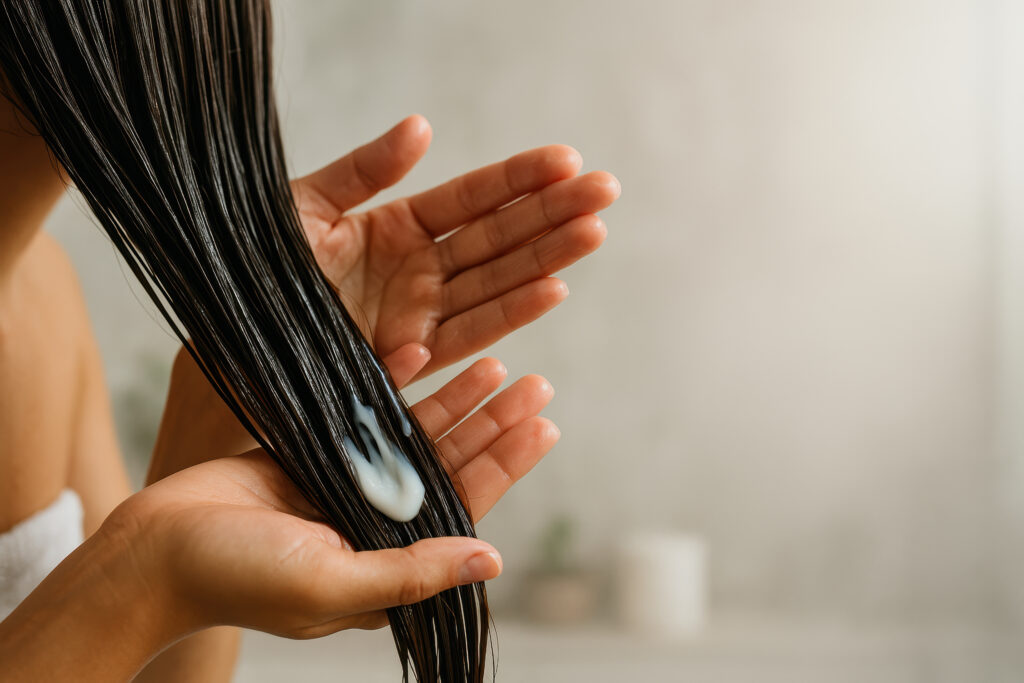
Is the hair dry and damaged from heat styling or chemical treatments? Is the skin feeling tight and uncomfortable? Are fine lines becoming more noticeable? Is the eye area the main concern?
When the goal is clear, choosing the next step becomes much easier.
A routine built around a specific need is also easier to understand than one filled with products that all promise to do a little bit of everything.
Think of it this way:
✨ One concern gives the routine direction.
🧴 One targeted addition gives that concern support.
🔍 One change at a time makes the result easier to evaluate.
The point is not to make a routine longer. It is to make it more intentional.
🧪 Change One Thing at a Time
Think about adjusting a recipe.
If you change the temperature, ingredients, cooking time and equipment all at once, you might end up with something better—but you will have no idea which change actually helped.
Beauty routines can work the same way.
Introducing one new step at a time makes it easier to understand what is working, what is not and how the skin or hair responds.
It can also help avoid routine overload.
For skin, stacking too many strong or overlapping products can lead to irritation or discomfort. For hair, multiple conditioning, styling and treatment products can sometimes begin to work against the lightweight feel and manageability consumers are looking for.
Sometimes the smartest addition is simply the one with the clearest job.
🔁 Consistency Matters More Than Complexity
Even an excellent formula cannot do much if it is only used occasionally.
That is one reason simple routines often work so well: they are easier to repeat.
🫧 A cleanser that feels good on the skin gets used.
💧 A serum that layers easily under moisturizer gets used.
💆 A hair treatment that does not leave hair heavy or difficult to style gets used.
Over time, those repeated steps become part of the routine almost automatically.
For formulators, that means performance is not only about what is inside the formula.
It is also about how naturally the product fits into everyday life.
What Makes a Product Easier to Keep Using?
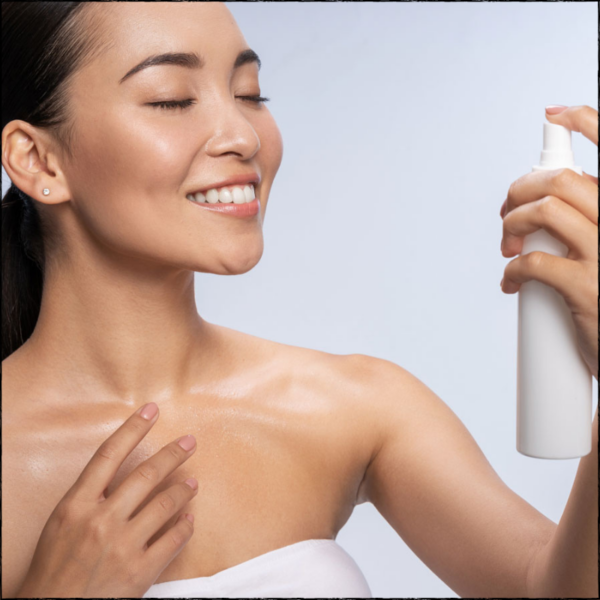
✨ Texture matters.
A product that feels pleasant is more likely to become part of the routine.
🧴 Layering matters.
Products need to work well alongside the steps that come before and after them.
⏱️ Ease of use matters.
If application feels complicated, consumers may be less likely to stay consistent.
🎯 Purpose matters.
Consumers should understand exactly why the product belongs in the routine.
A good formula should make sense scientifically, but it should also make sense practically.
💇 Different Concerns Need Different Strategies
Habit stacking does not mean every consumer should build the same routine.
Someone dealing with hair that has been repeatedly colored, heated or chemically treated may need a very different approach from someone focused on visible signs of skin aging.
For example:
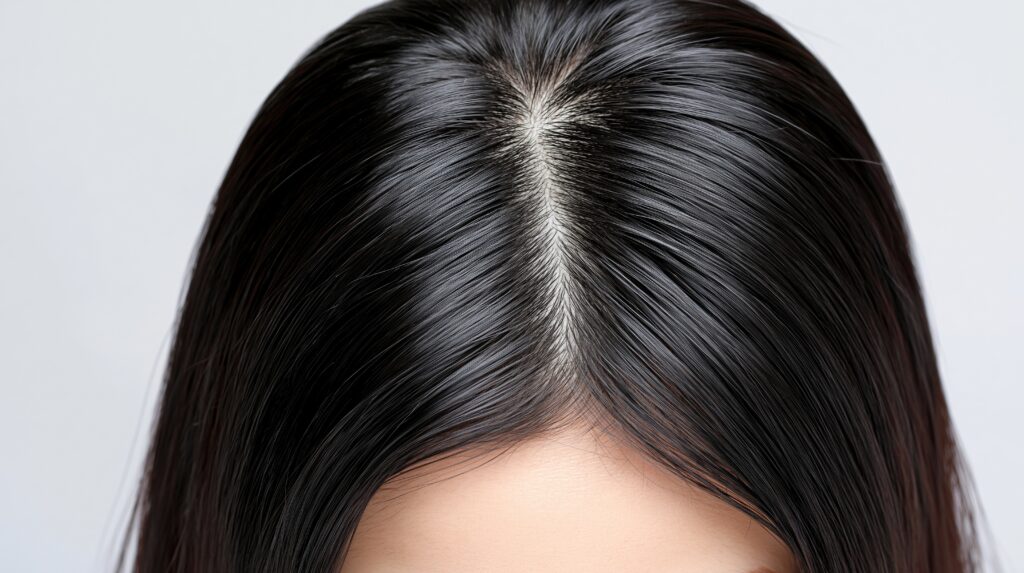
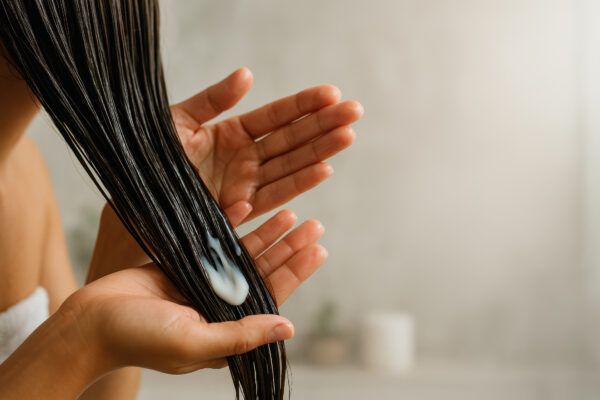
💇 Damaged hair may benefit from routines centered on smoother feel, reduced breakage and improved manageability.
💧 Dry or compromised skin may need hydration and barrier-supportive steps first.
✨ Visible signs of aging may call for targeted products that address texture, fine lines or overall skin appearance.
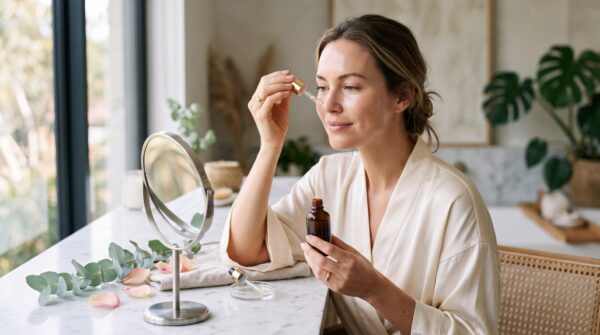
👁️ Eye-area concerns may only require a focused addition rather than a complete overhaul of the routine.
The common thread is not the number of products.
It is choosing products that match the actual need.
➕ More Is Not Automatically Better
Beauty culture often celebrates more.
More steps. More products. More actives. More layers.
But formulation science does not operate on the assumption that more is always better.
Every ingredient has a purpose. Every product has a role. Every new layer changes the way the routine behaves as a whole.
That is why thoughtful routines often work best when they grow gradually.
A simple approach can look like this:
🧼 Start with a strong foundation.
🎯 Identify the most important concern.
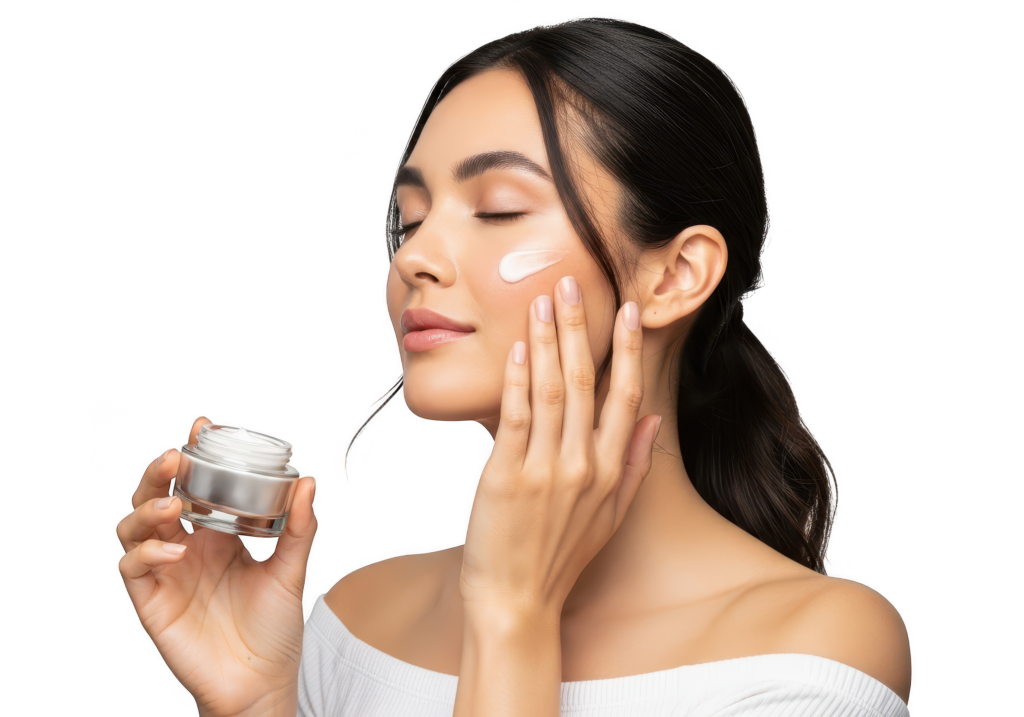
🧴 Add one targeted solution.
⏳ Give it time.
🔍 Evaluate before adding something else.
That makes the routine easier to follow and easier to understand.
🌱 Small Changes Can Add Up
Habit stacking is really about making improvement manageable.
One intentional change may not feel dramatic in the moment. But repeated over time, those small decisions can build a routine that feels more focused, easier to maintain and better matched to the person using it.
For formulators, that creates a useful question.
Instead of asking only:
“What else can we put into this formula?”
It may be more valuable to ask:
“What job does this product need to do?”
When that answer is clear, the product has a reason to be there.
And that is what makes a routine easier to build—one purposeful step at a time.
Build With a Clear Purpose
Need help developing targeted skin or hair care formulations that fit naturally into modern beauty routines?
Request Formulation Support
Keep Building Your Formulation Knowledge
Get ingredient insights, formulation ideas and cosmetic science delivered directly to your inbox.
Subscribe to Our Newsletter
American Academy of Dermatology. “How to Maximize Results from Anti-Aging Skin Care Products.” Accessed 2026.
https://www.aad.org/public/everyday-care/skin-care-secrets/anti-aging/maximize-anti-aging-productsAmerican Academy of Dermatology. “Should I Apply My Skin Care Products in a Certain Order?” Accessed 2026.
https://www.aad.org/public/everyday-care/skin-care-basics/care/apply-skin-care-certain-orderAmerican Academy of Dermatology. “How to Test Skin Care Products.” Accessed 2026.
https://www.aad.org/public/everyday-care/skin-care-secrets/prevent-skin-problems/test-skin-care-productsErsche, K. D., et al. “Creature of Habit: A Self-Report Measure of Habitual Routines and Automatic Tendencies in Everyday Life.” Personality and Individual Differences, 2017.
https://pmc.ncbi.nlm.nih.gov/articles/PMC5473478/Citation Note: This article is intended for educational and formulation-industry purposes. Resources are provided to support discussion of routine consistency, product introduction and general skin-care practices. Cosmetic products are not intended to diagnose, treat or prevent medical conditions.