Growth Starts Here — Part 3: Scalp Nutrition
Healthy-looking hair depends on more than growth rate and fiber strength.
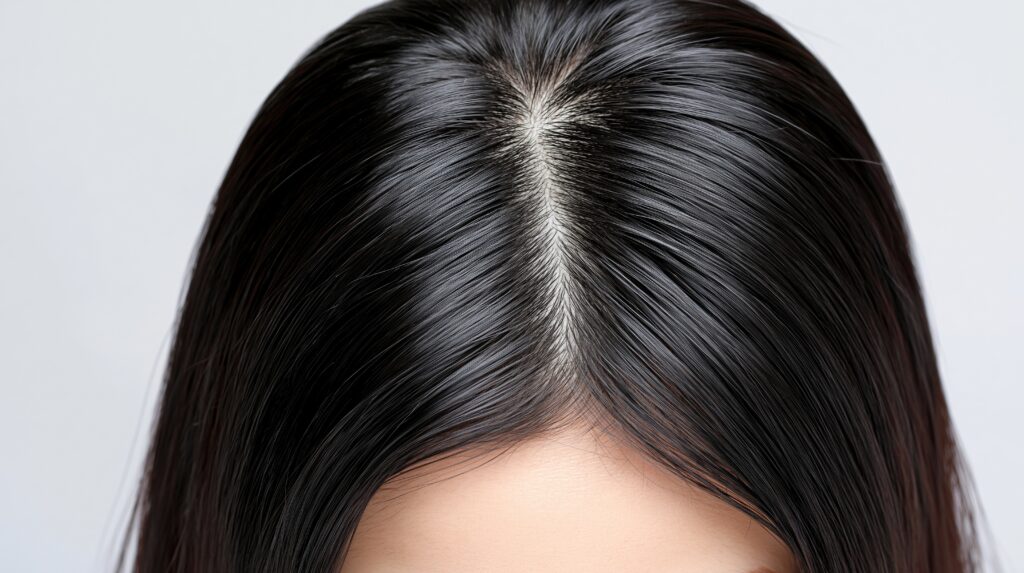
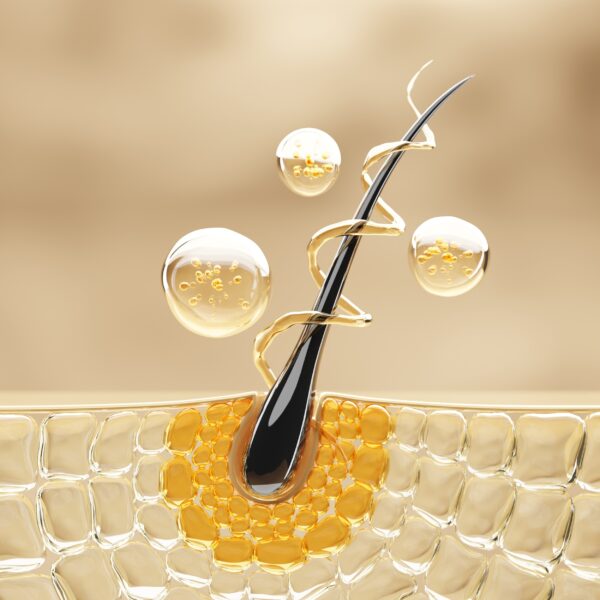
The scalp itself is a living environment made up of skin cells, lipids, follicles, sebaceous glands, microorganisms, and signaling systems that all interact with one another. Like other areas of skin, it relies on a functioning barrier, adequate hydration, and a balanced supply of structural components to maintain normal condition.
That makes scalp nutrition a useful formulation concept — not as a promise to “feed” the follicle from the outside, but as a way to think about supporting the environment surrounding it.
🌿 The Scalp Is Still Skin
It is easy to think of the scalp only as the place where hair grows, but biologically it is still skin.
Its outermost layer, the stratum corneum, depends heavily on an organized lipid matrix composed primarily of ceramides, cholesterol, and free fatty acids. These lipids help maintain barrier integrity and limit excessive water loss.
For formulators, that means scalp care can borrow some useful lessons from skincare:
💧 Maintain hydration
🛡️ Support the barrier
🌿 Help replenish lipids
✨ Keep the surface comfortable and conditioned
Those goals may sound simple, but together they create the foundation for a scalp that looks and feels healthier.

🧬 Hair Follicles Are Metabolically Active
Hair follicles are among the more active structures in the skin.
During the growth phase, matrix cells inside the follicle divide rapidly as the hair fiber is formed. Research on hair biology shows that normal follicle cycling depends on many cellular processes, including the availability and metabolism of proteins, vitamins, minerals, and lipids.
That does not mean a topical cosmetic can replace nutrition from the diet.
But it does reinforce an important formulation idea:
The follicle operates within a complex biological environment, and maintaining the condition of the surrounding scalp matters.
🛡️ Lipids Do More Than Prevent Dryness
Lipids are especially interesting in scalp and hair biology because they serve several roles at once.
Within the skin, lipids help create the permeability barrier that limits water loss. Within the follicle itself, lipid metabolism also participates in signaling, structure, and normal follicle function. Research has shown that disruptions in lipid metabolism can affect hair-follicle biology.
For cosmetic formulation, this makes lipid support relevant for more than just dry skin.
Well-chosen emollients and lipid-supportive ingredients can help:
🛡️ Maintain the scalp barrier
💧 Reduce moisture loss
✨ Improve comfort and softness
🌿 Support the condition of dry or stressed scalp
The key is balancing that nourishment with a sensory profile that does not make the roots feel heavy.
💧 Hydration Is Part of the Nutrition Story
A healthy barrier and adequate hydration work together.
When scalp skin becomes dry or uncomfortable, the surface can feel tight, flaky, or rough. A well-hydrated stratum corneum is generally better able to maintain flexibility and normal barrier function.
For formulators, this makes humectants and lightweight hydrating systems especially valuable in scalp care.
The challenge is familiar:
Deliver enough hydration to support the skin without creating stickiness or buildup in the hair.
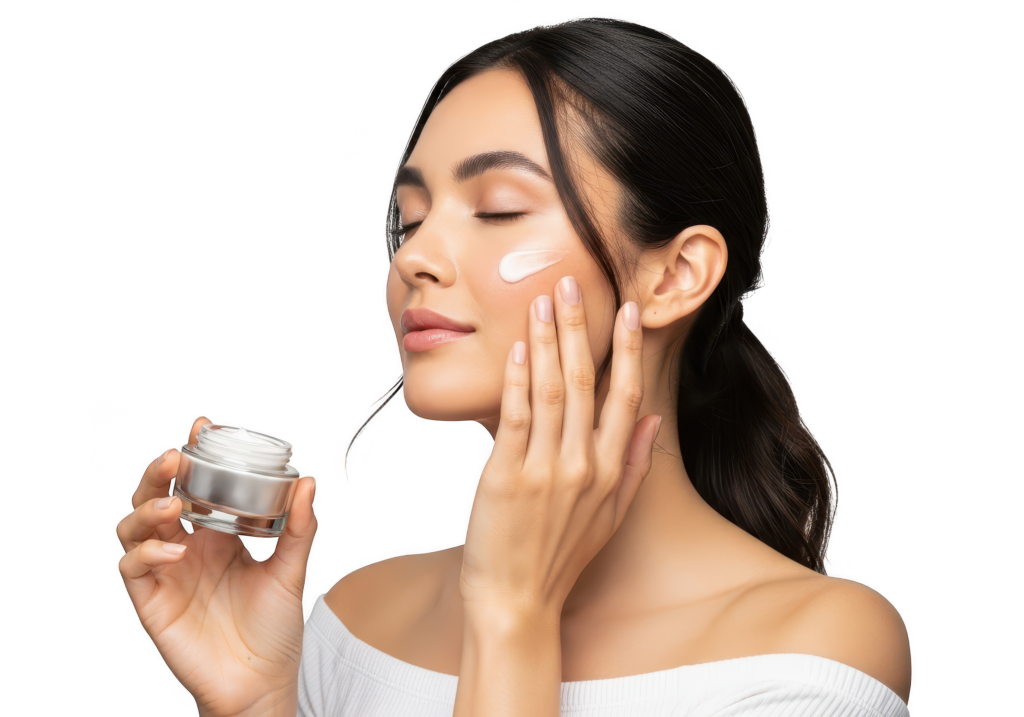
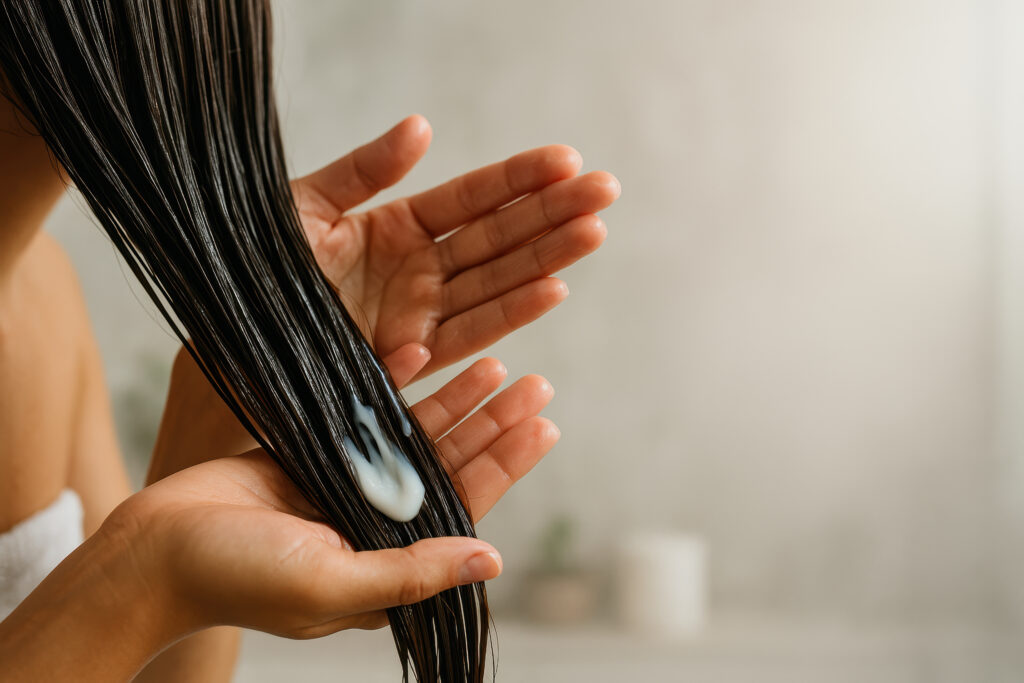
That is why scalp serums, tonics, essences, and lightweight emulsions are becoming such useful formats. They provide a way to deliver hydration directly to the scalp while keeping the overall sensory profile light.
🧱 Protein and Amino Acids Matter to Hair Structure
Hair is predominantly composed of keratin, a structural protein built from amino acids.
Once the fiber has formed, topical products cannot biologically rebuild the hair from the inside. But amino-acid and protein-based ingredients can still be useful from a cosmetic perspective because they can contribute to conditioning, film formation, moisture retention, and improved feel.
That makes them particularly relevant when scalp-nutrition concepts extend into scalp-to-strand care.
Instead of treating the scalp and fiber as separate worlds, formulators can create systems that support both the environment where hair grows and the fiber once it emerges.
⚖️ More Is Not Always Better
“Nutrition” can easily become a more-is-better story, but biology rarely works that way.
Research into vitamins and minerals associated with hair biology shows that deficiencies can matter, but excessive supplementation does not automatically improve hair growth and may sometimes create problems of its own.
The cosmetic lesson is similar:
A scalp formula does not need to contain everything.
It needs to contain the right combination of supportive ingredients in a format that consumers will actually use consistently.
That may mean prioritizing:
💧 Hydration
🛡️ Barrier support
🌿 Lipid replenishment
✨ Scalp comfort
🧴 Lightweight sensory performance
🎯 Direct and even application
🌱 Scalp Nutrition Is Really About Balance
The most useful way to think about scalp nutrition is not as “feeding” the hair follicle.
It is about maintaining the conditions that allow the scalp to function normally.
That means keeping the skin hydrated, supporting its lipid barrier, helping maintain comfort, and designing treatments that fit easily into a regular routine.
In that sense, scalp nutrition connects everything we have covered in the Growth Starts Here series.
Part 1 looked at where hair growth begins.
Part 2 looked at how to help preserve the fiber after it grows.
Part 3 brings the story back to the environment supporting the entire process.
Healthy-looking hair may be the visible result.
But the foundation is built beneath it.

Support Scalp Health From the Foundation Up
Explore formulation strategies designed to support scalp hydration, barrier condition, comfort, and healthy-looking hair.
Contact Us
Keep Up With Formulation Insights
Get new formulation topics, ingredient insights and technical content delivered to your inbox.
Subscribe to Our Newsletter
Almohanna H.M. et al. “The Role of Vitamins and Minerals in Hair Loss: A Review.” Dermatology and Therapy, 2019.
https://pmc.ncbi.nlm.nih.gov/articles/PMC6380979/
Stenn K.S. and Karnik P. “Lipids to the Top of Hair Biology.” Journal of Investigative Dermatology, 2010.
https://pmc.ncbi.nlm.nih.gov/articles/PMC2923384/
van Smeden J. and Bouwstra J.A. “The Skin Barrier: An Extraordinary Interface With an Exceptional Lipid Organization.” Progress in Lipid Research, 2023.
https://pmc.ncbi.nlm.nih.gov/articles/PMC10841493/
Feingold K.R. “Skin Lipid Barrier: Structure, Function and Metabolism.” 2024.
https://pmc.ncbi.nlm.nih.gov/articles/PMC11450438/
Citation Note: These references support the educational discussion of scalp barrier lipids, hydration, follicle biology, and the role of nutrients in normal hair-follicle function. This article discusses cosmetic formulation concepts and should not be interpreted as nutritional, therapeutic, or medical advice.