Personal Optimization: Why One Size Doesn’t Fit All
Beauty loves a universal answer.
One moisturizer for everyone. One hair routine for every texture. One active for every concern.
Real life is messier.
Skin can be oily in one area and dry in another. A scalp can feel oily while the hair lengths feel dry. One consumer may want a lightweight gel; another may need something richer and more cushioning.
In Part 3 of Your Ultimate Performance Playbook, the focus shifts from building good habits to building the right habits for the individual.
Because the best routine is not simply the one that works.
It is the one that works for that person.
🎯 Start With the Actual Need
Before choosing a product, it helps to understand what the skin or hair is doing.
A consumer dealing with excess oil needs a different strategy than someone struggling with dryness or sensitivity.
Someone with a reactive scalp may need a different approach from someone focused on strengthening damaged hair.
That sounds obvious, but it is easy to lose sight of when trends start driving the routine.
A better approach is to ask:
💧 Is the main concern dryness or dehydration?
✨ Is excess oil or shine the bigger issue?
🌿 Is the skin easily irritated or uncomfortable?
💇 Is the concern actually the scalp rather than the hair fiber?
🛡️ Does the routine need more barrier support?
The goal is not to fit the consumer into the routine.
The routine should fit the consumer.
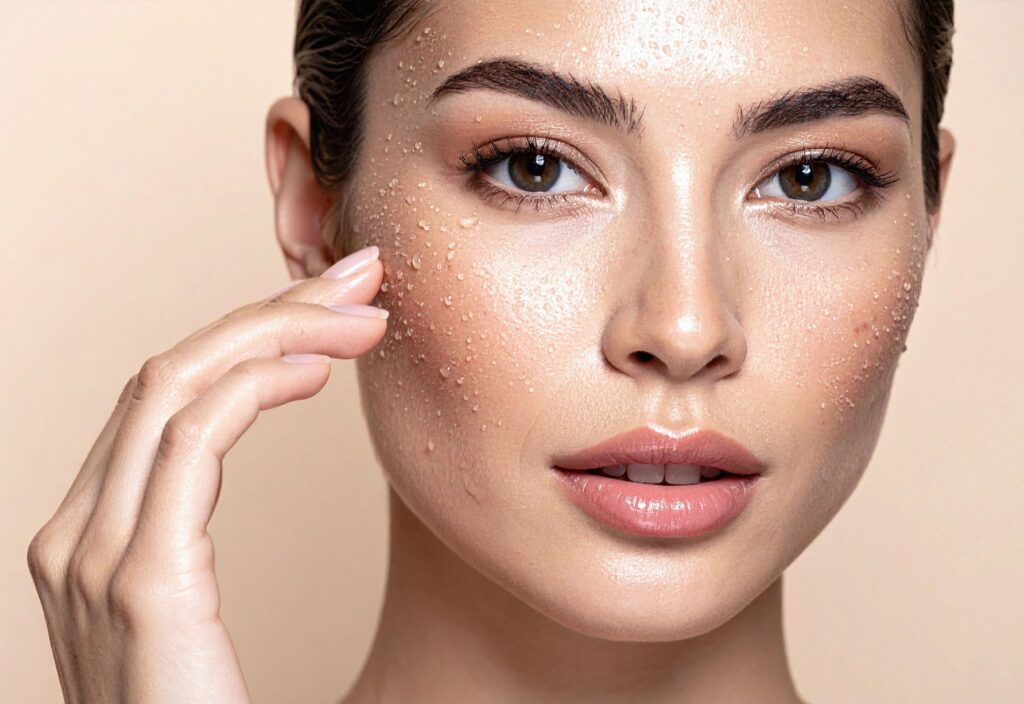
💧 Oily Does Not Mean “No Hydration”
One of the easiest mistakes to make is treating oily skin as if it does not need moisture.
Oil and hydration are not the same thing.
Sebum is an oily substance produced by the skin. Hydration refers to water.
That means skin can feel oily and still benefit from hydration.
For formulators, the challenge becomes finding the right balance.
💦 Deliver hydration without unnecessary heaviness.
✨ Control shine where needed.
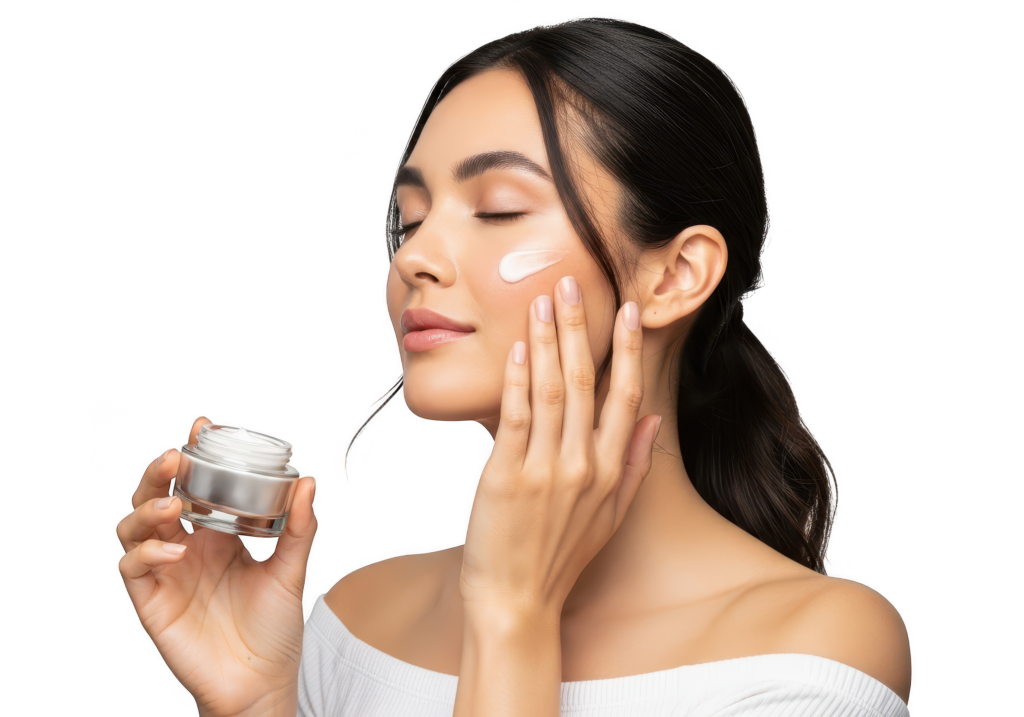
🧴 Choose textures that feel appropriate for the user.
⚖️ Avoid overcorrecting one concern and creating another.
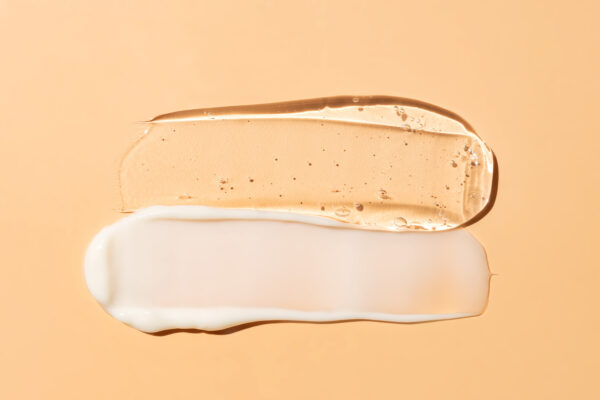
A lightweight formula may be exactly what one consumer wants, while another may prefer a richer texture.
Same category. Different needs.
🌿 Sensitive Skin Needs a Different Conversation
Sensitive skin is another good example of why one-size-fits-all formulation falls short.
For some consumers, the priority is not adding another high-impact treatment step.
It is simply helping the skin feel comfortable.
That may mean focusing on:
🌿 Barrier support
💧 Hydration
✨ A calmer-looking appearance
🧴 Gentle, comfortable textures
⚖️ Formulas that do not feel overloaded
The bigger lesson is simple:
A product aimed at sensitive skin should feel as thoughtful as the claim on the label.
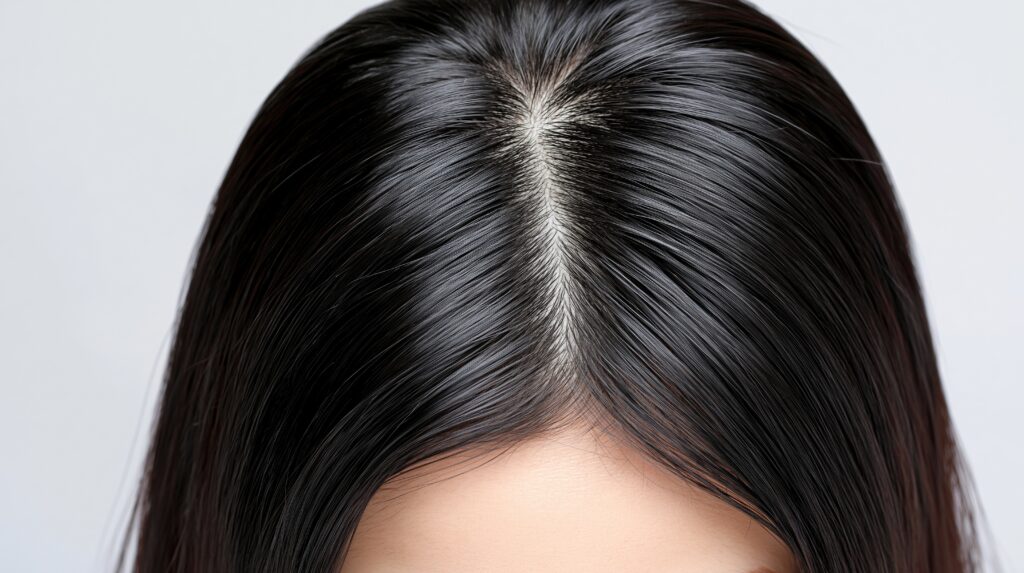
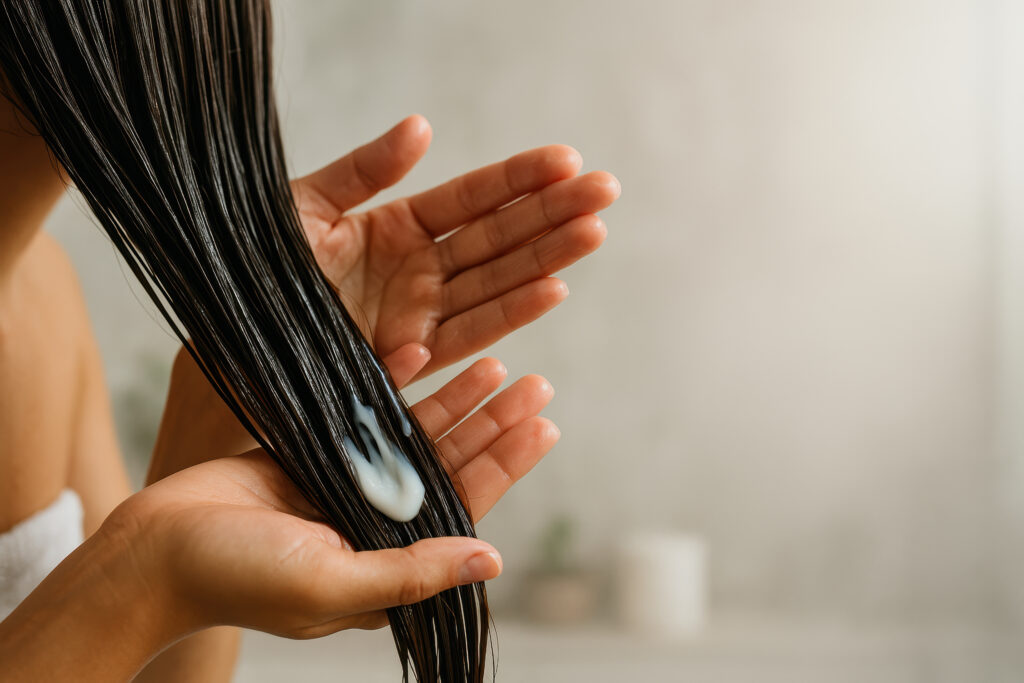
💆 Sometimes the Scalp Is the Real Starting Point
Hair care is another area where personalization matters.
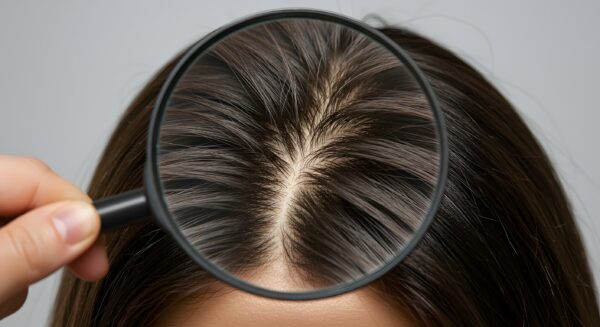
A consumer may say they have “oily hair,” when the real issue begins at the scalp.
Another may have a sensitive or uncomfortable scalp but perfectly healthy-looking lengths.
Someone else may have dry, damaged lengths but no scalp concerns at all.
Those are three different formulation problems.
That is why scalp care and hair-fiber care should not automatically be treated as the same thing.
🎯 Oily scalp: focus on balance and lightweight care.
🌿 Sensitive scalp: prioritize comfort and gentleness.
💇 Damaged lengths: focus on smoothness, conditioning and resilience.
💧 Dry hair: consider moisture and manageability.
Once again, the important question becomes:
What exactly are we trying to improve?
🧴 Texture Is Part of Personalization Too
Personalization is not only about the concern.
It is also about the format.
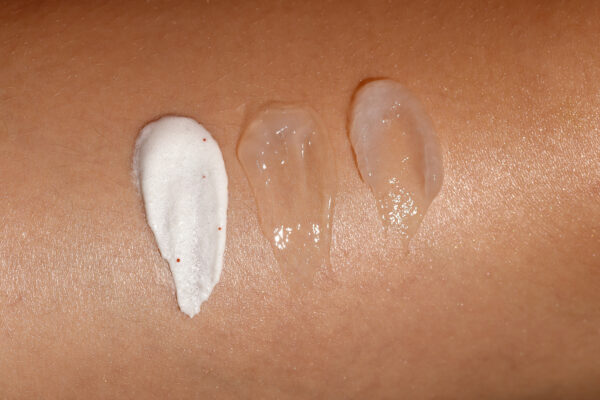
Two formulas can target the same need and still appeal to completely different consumers.
One may prefer:
💧 A lightweight serum
🫧 A fresh gel
🧴 A rich cream
💦 A spray or mist
✨ A dry-touch finish
That sensory choice can be just as important as the benefit story.
A consumer with oily skin may abandon a formula that feels too heavy.
A consumer with very dry skin may find the same lightweight texture unsatisfying.
There is no universally perfect texture.
There is only the right texture for the intended user.
⚖️ Personalization Does Not Mean Overcomplication
There is one important distinction.
Personalized beauty does not mean creating a ten-step routine for every possible concern.
It means making better choices.
🎯 Identify the priority.
🧴 Choose the format that makes sense.
🌿 Select the right type of support.
🔁 Keep the routine practical enough to repeat.
That is very different from simply adding more products.
In fact, personalization can sometimes make a routine simpler because unnecessary steps fall away.
🧠 Formulate for People, Not Categories
“Dry skin.”
“Oily scalp.”
“Damaged hair.”
“Sensitive skin.”
These labels are useful starting points.
But they are still only starting points.
Real consumers live somewhere between the categories.
Their environment changes. Their routines change. Their styling habits change. Their preferences change.
That makes formulation less about finding one universal answer and more about creating thoughtful options.
Because when the product matches the person, the routine becomes easier to understand, easier to use and easier to keep.
And that is the final piece of Your Ultimate Performance Playbook:
Build the habit. Give it time. Then make sure it actually fits the person using it.
Formulate for the Individual
Need help developing skin, scalp or hair care formulas around specific consumer needs?
Request Formulation Support
Keep the Ideas Coming
Get formulation insights, ingredient ideas and cosmetic science delivered directly to your inbox.
Subscribe to Our Newsletter
American Academy of Dermatology. “Skin Care on a Budget.” Accessed 2026.
https://www.aad.org/public/everyday-care/skin-care-basics/care/skin-care-budget
American Academy of Dermatology. “How to Care for Your Skin in Your 20s, 30s, 40s and Beyond.” Accessed 2026.
https://www.aad.org/public/everyday-care/skin-care-secrets/anti-aging/skin-care-in-your-20s
American Academy of Dermatology. “How to Care for Your Scalp.” Accessed 2026.
https://www.aad.org/public/everyday-care/hair-scalp-care/scalp/tips-for-healthy-scalp
Citation Note: This article is intended for educational and formulation-industry purposes. Resources are provided to support general discussion of individualized skin, scalp and hair care needs. Cosmetic products are not intended to diagnose, treat or prevent medical conditions.