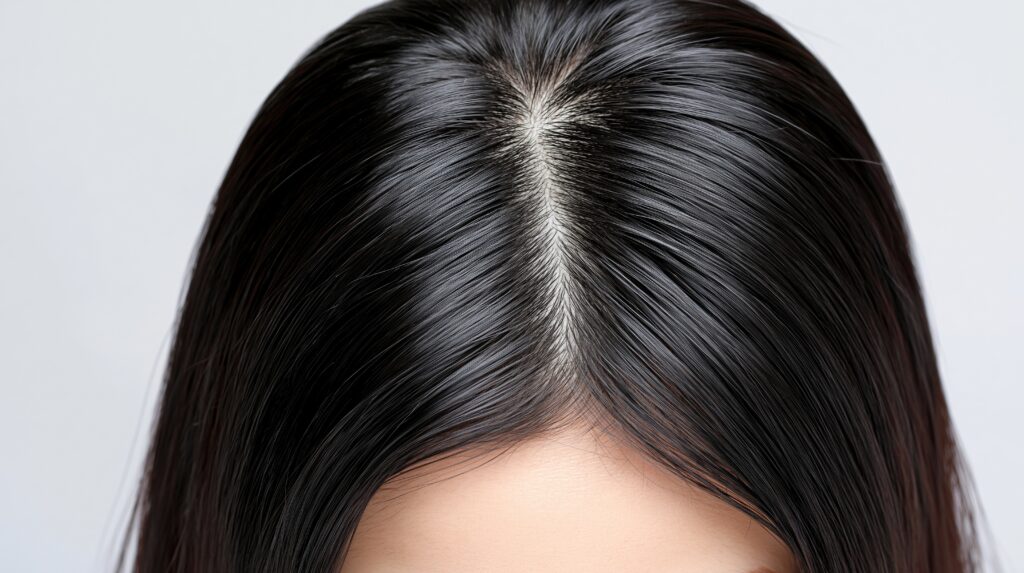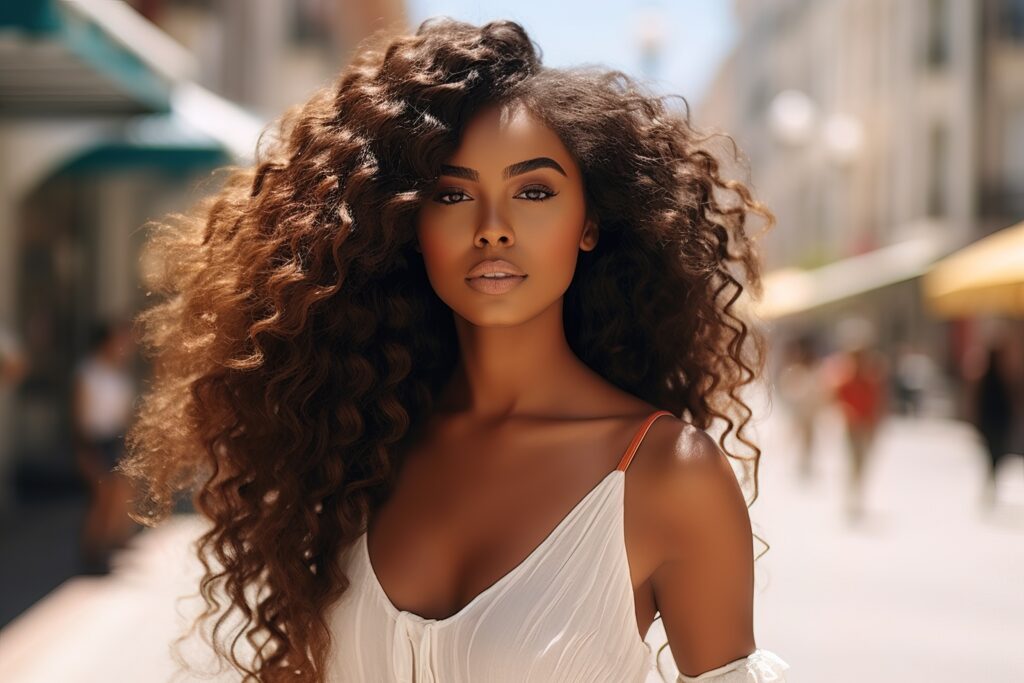
Hair is exposed to more than humidity.
Heat, wind, sunlight, pollution, washing, styling, and daily friction can all affect:
- Cuticle condition
- Moisture balance
- Smoothness
- Strength
- Shine
- Shape retention
Over time, this cumulative exposure contributes to hair weathering—the gradual weakening and roughening of the fiber.
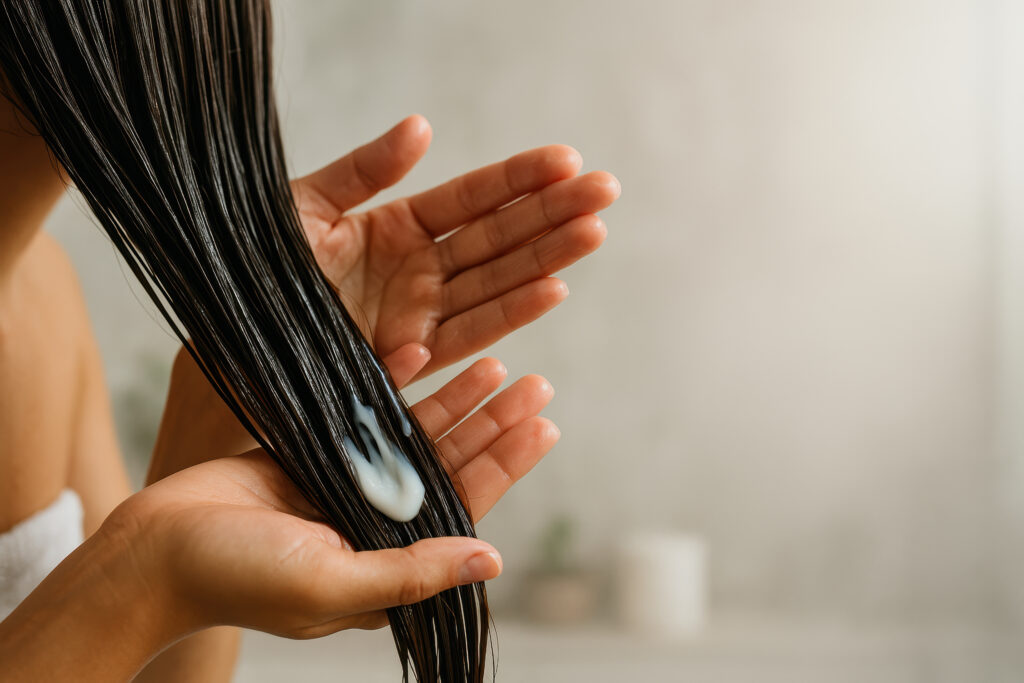
A weather-proof haircare formula should do more than reduce frizz. It should help reinforce the fiber, regulate moisture, improve conditioning, add surface protection, and support style performance as conditions change.
Reinforce the Hair Fiber
Hair contains structural lipids that help support cohesion between cells within the cuticle and cortex.
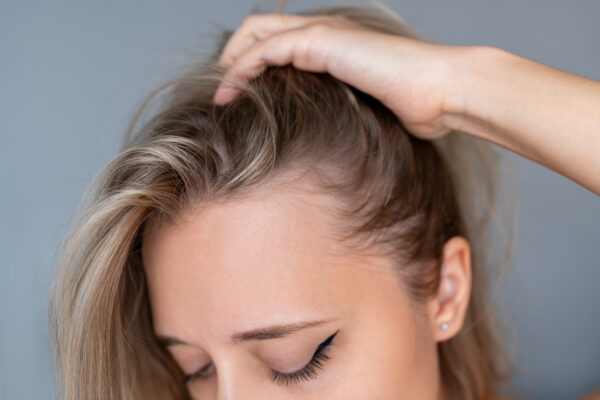
When these lipids are depleted through washing, heat, chemical treatments, or daily weathering, hair may become:
- More brittle
- More porous
- More hydrophilic
- More vulnerable to frizz
- Less resistant to breakage
- Duller and rougher in appearance
Ceramide and lipid-supporting technologies can help replenish compromised areas of the fiber and support smoother, more resilient hair.
This approach is especially relevant for:
- Long hair
- Chemically treated hair
- Textured hair
- Frequently styled hair
- Hair exposed to repeated environmental stress
Manage Moisture Without Encouraging Frizz
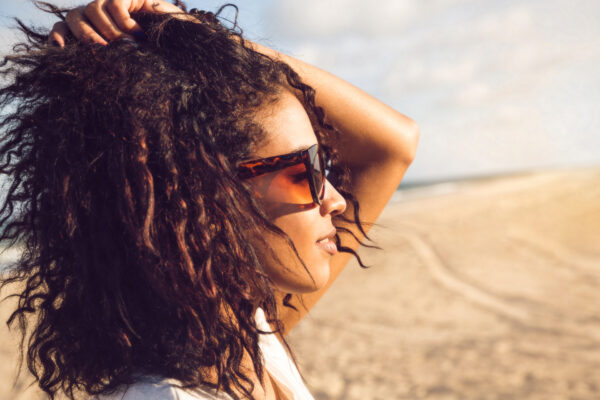
Humidity can disrupt the weak hydrogen bonds that help hair maintain a temporary shape.
As moisture moves into the fiber, hair may:
- Swell
- Lose smoothness
- Revert from a styled shape
- Develop frizz
- Become harder to control
The goal is not simply to add more water. It is to help regulate moisture around the fiber.
A complete moisture-control system may include:
- Moisture-buffering technologies
- Conditioning agents
- Anti-static support
- Cuticle-smoothing ingredients
- Flexible film formers
- Detangling technologies
The right balance can help preserve softness and flexibility without encouraging unwanted swelling or loss of shape.
Improve Conditioning and Manageability
Weather-proof performance depends heavily on how the hair behaves during combing, styling, and daily wear.
Effective conditioning can help:
- Reduce combing force
- Improve softness
- Limit static and flyaways
- Increase shine
- Reduce breakage
- Improve detangling
- Support smoother styling
Conditioning is not separate from weather protection. Better lubrication and smoother cuticle alignment can help reduce the mechanical damage that accumulates through brushing, friction, and repeated styling.
Add a Protective Surface Film
Film formers can create a thin layer around the fiber that supports:
- Surface smoothness
- Water resistance
- Gloss
- Longer-lasting performance
- Reduced environmental contact
- A more polished finish
The film should remain flexible enough to avoid stiffness, flaking, or heavy buildup.
The right system depends on the format, whether the product is a:
- Conditioner
- Leave-in treatment
- Styling cream
- Protective serum
- Smoothing spray
- Repair treatment
Maintain Style Through Humidity
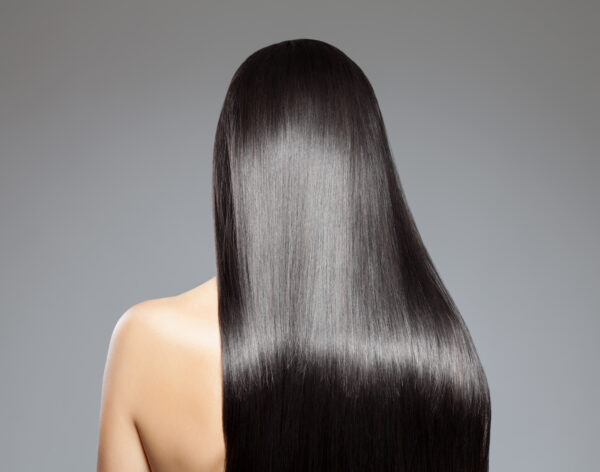
Styling products face a different weather-proofing challenge.
They must help preserve shape while avoiding:
- Excessive tack
- Stiffness
- Flaking
- Residue
- Heavy buildup
- Loss of flexibility
High-humidity styling systems rely on film-forming polymers that can create a continuous, flexible structure around the hair.
The ideal polymer system will depend on the format, including:
- Styling sprays
- Curl creams
- Smoothing lotions
- Flexible-hold mists
- Anti-frizz serums
- Leave-in styling treatments
The goal is to maintain hold and polish without sacrificing movement or sensory quality.
Reduce Environmental Deposition
Airborne particles can adhere more readily to rough, damaged, or tacky hair surfaces.
A smoother, more uniform surface may help:
- Reduce particle adhesion
- Maintain shine
- Support a cleaner-looking finish
- Improve the feel of exposed hair
- Complement broader environmental-protection claims
This makes anti-adhesion and surface-smoothing strategies especially relevant for urban haircare.
Support Long-Term Resilience
Weather-proofing can also extend beyond immediate surface performance.
Longer-term resilience strategies may focus on:
- Stronger-looking strands
- Reduced visible breakage
- Improved hair vitality
- Seasonal stress support
- Scalp-to-fiber care
- Healthier-looking density
This broadens the concept from short-term style protection to overall hair quality.

Build a Complete Weather-Proofing System
A complete formula may combine several layers of support:
- Fiber reinforcement for damaged or lipid-depleted hair
- Moisture regulation for humidity and frizz control
- Conditioning for softness and manageability
- Protective film formation for water resistance and shine
- Styling polymers for high-humidity hold
- Surface smoothing for reduced particle adhesion
- Long-term resilience support for healthier-looking hair
The right balance depends on the intended product, hair type, styling routine, and environmental conditions.
Weather-proofing does not mean making hair unaffected by its surroundings. It means helping hair respond more predictably when conditions change.
Explore Weather-Proof Haircare
Deveraux Specialties offers conditioning, fiber-reinforcing, film-forming, moisture-regulating, and styling technologies for shampoos, conditioners, masks, leave-in products, styling treatments, and protective finishes.
Contact our team for samples, technical information, and ingredient recommendations for your next climate-adaptive haircare formula.
Build an All-Weather Haircare System
Explore technologies that support fiber strength, humidity resistance, conditioning, protective film formation, and lasting style performance.
Keep Up with the Latest Formulation Strategies
Subscribe for personal care trends, ingredient technologies, formulation insights, and new product updates.
Gavazzoni Dias, M. F. R. “Hair Cosmetics: An Overview.” International Journal of Trichology, 2015.
Coderch, L., et al. “A Systematic Review on the Lipid Composition of Human Hair.” International Journal of Dermatology, 2022.
Trüeb, R. M. “Photoaggravation of Hair Aging.” International Journal of Trichology, 2009.
“The Exposome Impact on Hair Health: Etiology, Pathogenesis and Clinical Features—Part I.” Anais Brasileiros de Dermatologia, 2024.
Citation Note: Product performance statements are based on technical documentation and testing. Formulators should review the applicable technical data, recommended use levels, and claim-support documentation for each finished-product application.