Executive Summary
“Shine + definition without heaviness” is a real formulation tradeoff—not a copy line. This post breaks down how to engineer a finishing serum that delivers a visibly polished curl finish at a low dose, while avoiding the common failure modes: greasy payoff, curl collapse, and repeat-use buildup perception. You’ll see the formulation logic behind rich-but-clean spread, lightweight gloss + slip, and touchable moisture support, plus a practical checklist for evaluating prototypes on curls, coils, and kinks before you lock the brief.
How to Build Curl Definition and Shine Without the Weight
“Shiny, defined curls without heaviness” sounds simple in a product brief. In formulation, it’s a balancing act.
For curly, coily, and kinky hair, the same choices that improve softness, slip, and gloss can also increase residue perception, reduce movement, or flatten the curl pattern when the system is even slightly off. This article breaks down the formulation logic behind a finishing serum that supports definition + shine while staying light on hair.
A useful way to think about the problem is as a set of tradeoffs:
- richness vs. movement
- gloss vs. buildup
- moisture lock vs. touchability
- protection vs. “weightless” sensorial perception
The goal isn’t just to add shine. It’s to build a finishing serum that performs at a small dose, spreads evenly through textured hair, and stays comfortable enough that users will reapply.
Why “Shiny, Defined Curls” Is a Difficult Formulation Brief
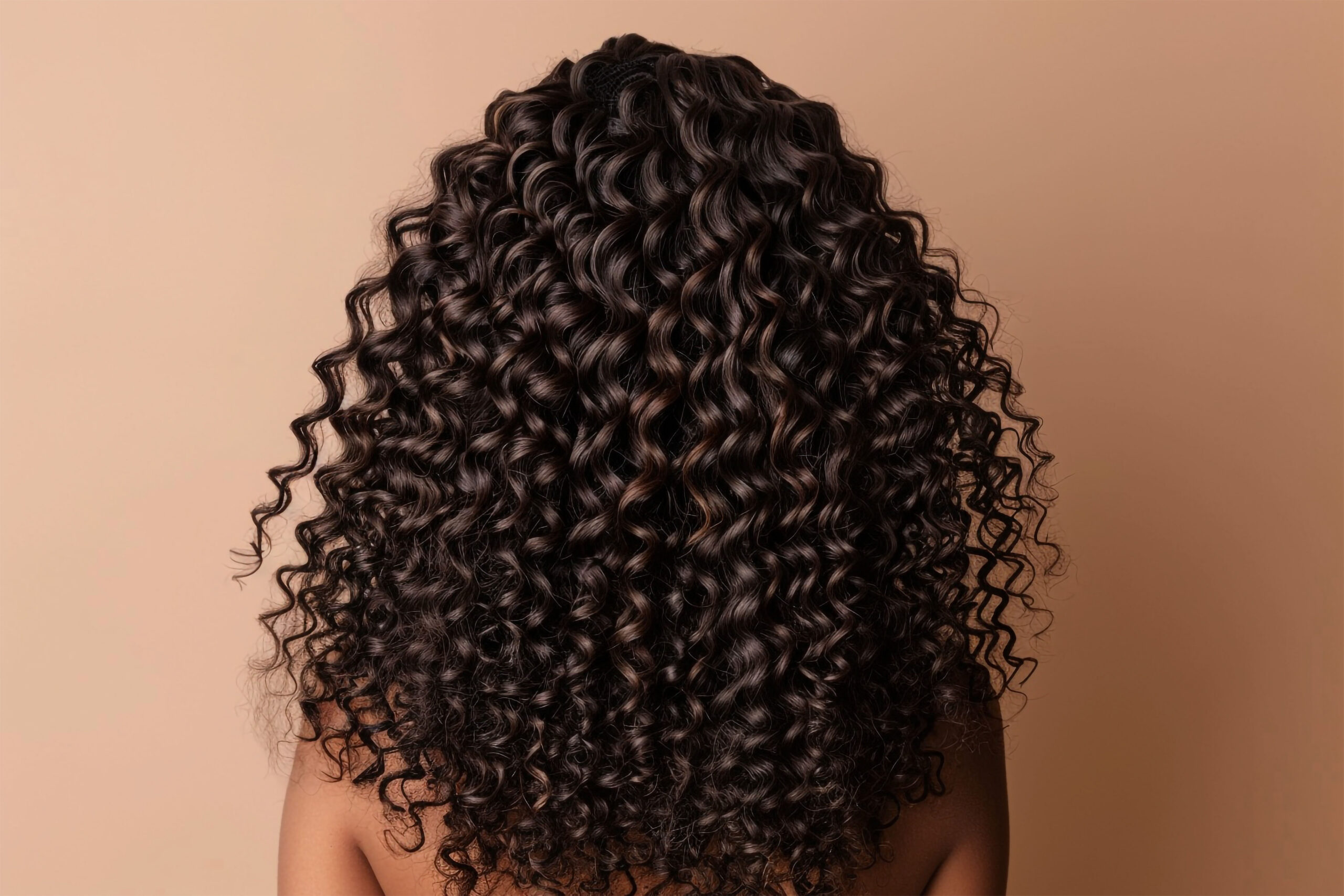
Curl definition and shine are often linked to better surface smoothness and reduced friction. When the hair surface is smoother and fibers align more consistently, light reflects more evenly and curls appear more controlled. Conditioning science consistently shows that hair appearance and feel depend on how materials interact with the fiber surface, deposit, and alter friction—not simply on whether a formula contains “nourishing oils.”
But some routes to shine can create problems in wear.
A heavier film may increase gloss quickly, yet repeated use can drift into residue perception—especially when consumers reapply between wash days. That’s why the best “weightless shine” formulas are designed for repeat use, not just day-one shine.
For textured hair, the tradeoffs are often more visible. The consumer expectation set is broad (hydration, softness, manageability, frizz control, shine), but tolerance for heaviness can be low—particularly when the curl pattern loses bounce or looks less defined.
Start With the Format: Why a Finishing Serum Changes the Strategy
Before you select ingredients, define the format role.
A finishing serum isn’t trying to do the same job as a rinse-off conditioner or a curl cream. It’s typically a low-dose, targeted-use step meant to elevate the visual finish after the main routine.
That changes your development targets:
- Excellent spreadability at low dose (users should need only a small amount)
- Clean payoff on damp or dry hair
- Visible improvement (shine + definition) without greasy or coated feel
- Routine-friendly reapplication (low buildup perception)
If the serum requires a high dose to look good, it will almost always feel heavy on curls and coils. A finishing serum wins by performing early—at a low dose—with a clean after-feel.
The Formulation Logic Behind Weightless Shine
The fastest way to miss this brief is to chase only one outcome (for example, shine) and ignore the after-feel.
In this prototype, this approach is implemented with Natura-Tec’s Beauty Balm Base plus Plantsoft™ L, Plantsil™, and Plantsil™ XLite as key system levers—balancing cushioned spread, moisture comfort, and lightweight slip/shine.
A more reliable approach is to build performance in layers.
1) Design a base that feels rich but spreads cleanly
“Rich” should describe the application experience—not the residue.
Base architecture can create cushion and glide while still delivering a quick-break, clean payoff once distributed through curls. In finishing serums, this often means optimizing:
- initial slip (so it distributes easily)
- break and spread (so it doesn’t sit on the hair)
- after-feel (so it doesn’t read as greasy or waxy)
2) Pair moisture support with touchability
Textured hair often benefits from moisture retention and protection from external stressors, but that support must remain compatible with touch and movement.
In practice, that means favoring strategies that support a comfortable barrier effect without leaving a tacky or draggy signature after dry-down. “Moisture lock” should not translate into “coated.”
3) Build shine and slip with lightweight sensorial emollients
For a finishing serum, shine and comb-through slip should come from materials that improve surface feel and gloss while keeping the overall system light.
This is where lightweight emollients and silicone-feel alternatives can help deliver the “instant payoff” consumers expect—without requiring the formula to rely on heavy oil loads. The goal is not to treat alternatives as one-for-one replacements, but to design for the outcomes:
- easy distribution
- improved surface smoothness
- visible shine
- soft finish without greasy residue
In practice, this concept uses Plantsil™ (light silicone feel emollient) alongside Plantsil™ XLite (ultralight cyclomethicone alternative) to support glide and gloss while keeping the finish lighter on curls and coils.
4) Optimize for repeat use, not just first application
Many serums look great on first application, then drift into residue perception after reapplication.
Treat repeat use as a design constraint:
- low-dose efficacy
- clean break and spread
- minimal coated feel over time
- stable sensory profile on day 2 and day 3 hair
If users hesitate to reapply, the serum has failed the real-world brief.
Ingredient levers in practice
In this finishing-serum concept, the “shine + definition without heaviness” brief is supported by a system approach—each component solves a different part of the tradeoff:
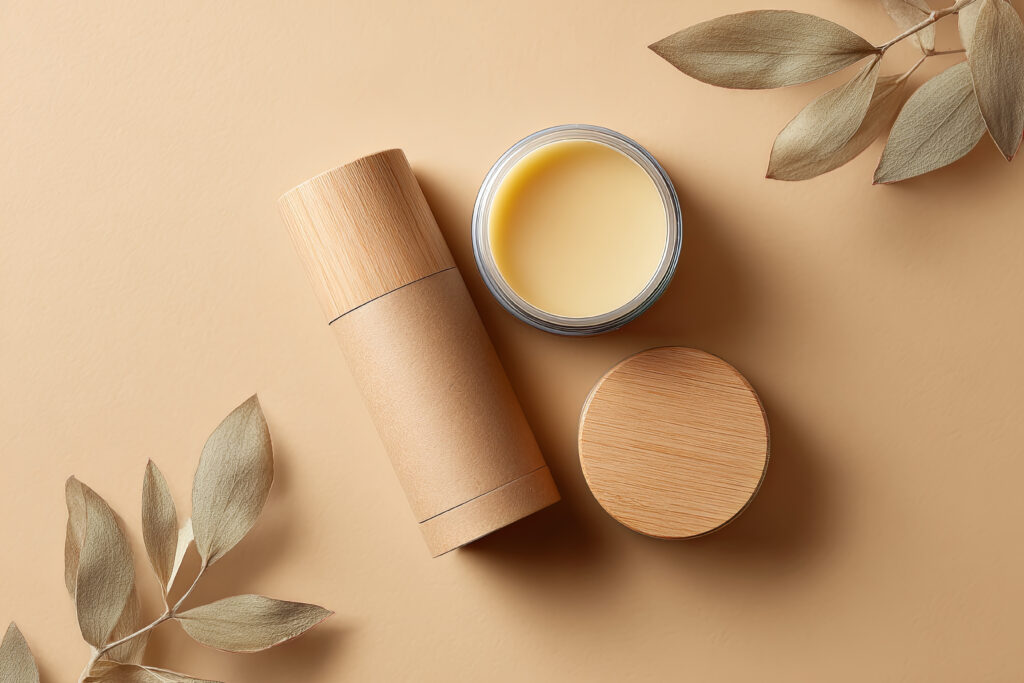
- Beauty Balm Base: Builds a rich, cushioned application feel while helping control payoff so the serum can perform at a low dose.
- Plantsoft™ L: Supports a comfortable, protective finish designed to help lock in moisture without pushing the after-feel into waxy or greasy.
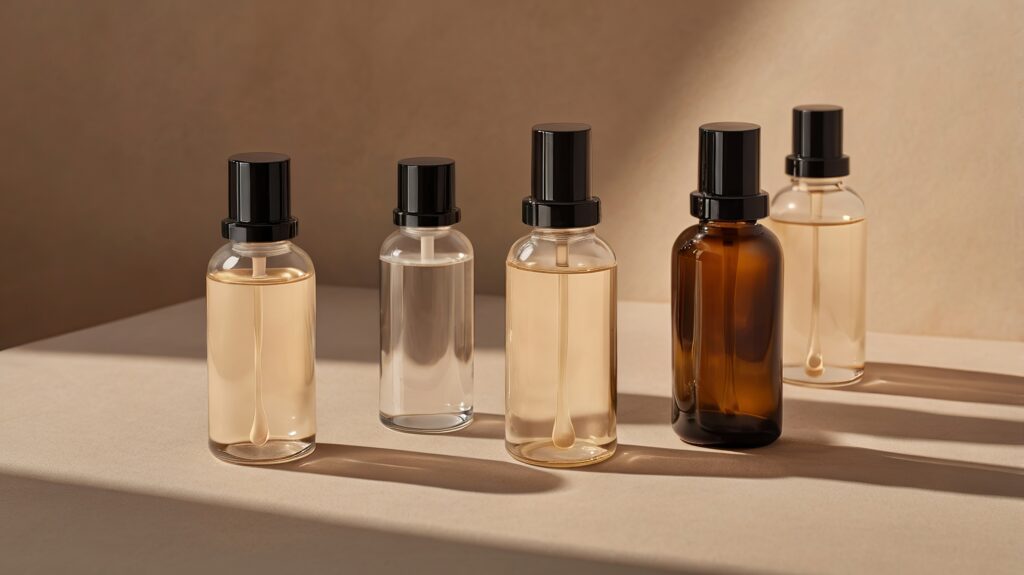
- Plantsil™: A light silicone-feel emollient that improves slip and spread—useful for strand-by-strand distribution and a cleaner finish on textured hair.
- Plantsil™ XLite: An ultralight cyclomethicone alternative that helps deliver “weightless” glide and shine without relying on volatile silicone.
Key Natura-Tec Ingredients Used in This Serum Concept
| Formulation challenge (what goes wrong) |
Ingredient lever (what you use) |
What it helps deliver (the outcome) |
What to evaluate (how you confirm) |
|---|---|---|---|
|
“Rich” feel turns into heaviness
Curl pattern looks flatter; after-feel reads coated.
|
Beauty Balm Base |
|
|
|
Moisture support feels sticky or waxy
Comfort drops; users avoid reapplying.
|
Plantsoft™ L |
|
|
|
Not enough slip = tugging + uneven distribution
Serum doesn’t “travel” through curls cleanly.
|
Plantsil™ |
|
|
|
Shine comes with greasiness
Gloss looks oily; finish feels heavy on curls.
|
Plantsil™ XLite |
|
|
Textured-Hair Performance Is Not One-Dimensional
One reason generic “anti-frizz shine serum” messaging falls flat is that textured-hair performance is multi-variable.
A formula can increase shine but reduce bounce. It can feel nourishing on one curl pattern and heavy on another. It can improve softness but disrupt the styling routine if the slip level is too high or the finish feels too coated.
That’s why “weightless” should be treated as a combined outcome:
- Visual: defined curl grouping and a healthier-looking shine
- Tactile: non-greasy, non-coated, comfortable touch
- Behavioral: curls still move and keep their pattern integrity
When you evaluate prototypes, look beyond gloss. Include movement, feel, and reapply willingness.
How to Write Better Claims for Curl Serums Like This
Strong technical marketing claims are specific enough to guide development, but careful enough to stay credible.
Instead of only saying “rich but lightweight,” connect language to observable outcomes that both R&D and brand teams can align around.
Claims language that tends to stay useful and defensible
- Helps boost curl definition and shine without a greasy feel
- Lightweight finishing serum that supports a soft, touchable finish
- Helps reduce the appearance of frizz and improves manageability
- Supports moisture retention for curls and coils
Translate claims into evaluation planning
If you want claims that hold up in the real world, connect them to practical checkpoints:
- Non-greasy feel: sensory panel on dry-down and after-feel at low dose and “overdose”
- Shine: controlled before/after photography or gloss evaluation under consistent lighting
- Definition: curl grouping and frizz halo scoring under standardized conditions
- Repeat use: residue perception after multiple applications across days
This approach reduces internal debate and speeds development, because the claims language is tied to what you can actually observe and refine.
Case Study Lens: A Naturally Derived Curl Finishing Serum
A useful reference point for this brief is a finishing serum concept designed for curly, coily, and kinky hair that aims to support hydration, shine, and definition with a rich, non-greasy texture—delivering a shiny, defined finish without weighing hair down.
What’s instructive here is not just the ingredient list. It’s the architecture:
- A sensorial base designed for controlled application feel and distribution
- Moisture/protection support intended to help lock in hydration
- Lightweight sensorial emollients to build slip and gloss with a cleaner finish
- A finishing-serum use pattern aligned to low-dose, strand-by-strand application
This system includes Natura-Tec’s Beauty Balm Base for sensorial structure, Plantsoft™ L for moisture-comfort/protective finish, and Plantsil™ + Plantsil™ XLite to tune slip and weightless shine.
This is the kind of system thinking that helps a marketing brief become a prototype with better odds of success.
Prototype Checklist: What to Evaluate Before Locking the Formula
If your target is “curl definition and shine without the weight,” evaluate more than first-impression gloss.
Use a short list of decision-critical checks:
- Low-dose spreadability: can users distribute evenly without overapplying?
- After-feel: non-greasy, non-tacky, non-coated perception after dry-down
- Visual finish: shine + definition (not shine alone)
- Repeat-use perception: residue feel after multiple applications across days
- Curl movement: defined, not stiff or flattened
- Routine fit: works on damp hair and as a refresh step on dry hair
Weightless shine is not a contradiction. But it is a formulation problem that requires structure.
For textured-hair finishing serums, the winning approach is rarely “more oil,” “less oil,” or “silicone-free” by itself. It’s a better balance of base sensoriality, lightweight emollient design, moisture/protection support, and low-dose use behavior.
If the formula delivers visible shine and curl definition while preserving movement and touchability, the claim becomes credible—because users can feel the difference.
Ready to build a weightless curl finishing serum?
Download the Feel Good Curl Glow Serum flyer, then select a Natura-Tec ingredient to request documentation or samples.
Download the Feel Good Curl Glow Serum flyer (PDF)Select a product to request docs/samples:
Forward this article to your Deveraux account managerResources
- Fernandes, C., Medronho, B., Alves, L., & Rasteiro, M. G. (2023). On hair care physicochemistry: From structure and degradation to novel biobased conditioning agents. Polymers, 15(3), 608. https://doi.org/10.3390/polym15030608. https://pmc.ncbi.nlm.nih.gov/articles/PMC9921463/
- Dias, M. F. R. G. (2015). Hair cosmetics: An overview. International Journal of Trichology, 7(1), 2–15. https://pmc.ncbi.nlm.nih.gov/articles/PMC4387693/
- Markiewicz, E., & Idowu, O. C. (2024). Exploring the use of natural ingredients for the protection of textured hair from ultraviolet radiation: An in vitro study. Cosmetics, 11(3), 102. https://doi.org/10.3390/cosmetics11030102. https://www.mdpi.com/2079-9284/11/3/102
- Cosmetics & Toiletries. (2024, May 30). Silicones, surfactants and alternatives for hair conditioning and mild cleansing. https://www.cosmeticsandtoiletries.com/formulas-products/hair-care/article/22894440/silicones-surfactants-and-alternatives-for-hair-conditioning-and-mild-cleansing
- Deveraux Specialties. (2026). Feel Good Curl Glow Serum (flyer). https://www.deverauxspecialties.com/wp-content/uploads/2026/02/2506a-feel-good-curl-glow-serum.pdf
The sources were selected to ground the article in mechanisms that are scientifically sound and relevant to hair-care formulation. Peer-reviewed literature was used to frame how surface feel, conditioning, and protective approaches connect to shine, definition, and “weightless” after-feel outcomes. The industry technical article supports practical context around silicone function and replacement tradeoffs. The Deveraux flyer supports the specific prototype concept referenced in the blog’s ingredient-lever discussion and CTAs.