CLR, Givaudan, Kalichem, The Latest BUZZ2 months agoScalp Longevity, Built with Peptides: The Next Step in Hybrid Haircare
BGT, Givaudan, Kalichem, Natura-Tec, The Latest BUZZ2 months agoGlass Hair, Built Scientifically: Shine as a Hair Quality Signal
BGT, Givaudan, Kalichem, Natura-Tec, The Latest BUZZ3 months agoRepair Without the Heavy Feel: Hybrid Haircare for Fiber Care
BGT, Givaudan, Kalichem, Natura-Tec, The Latest BUZZ3 months agoThe New Anti-Frizz Formula: Smoothness Without the Heavy Feel
BGT, Givaudan, Kalichem, Natura-Tec, The Latest BUZZ3 months agoTreat While You Style: Hybrid Haircare for Modern Formulation
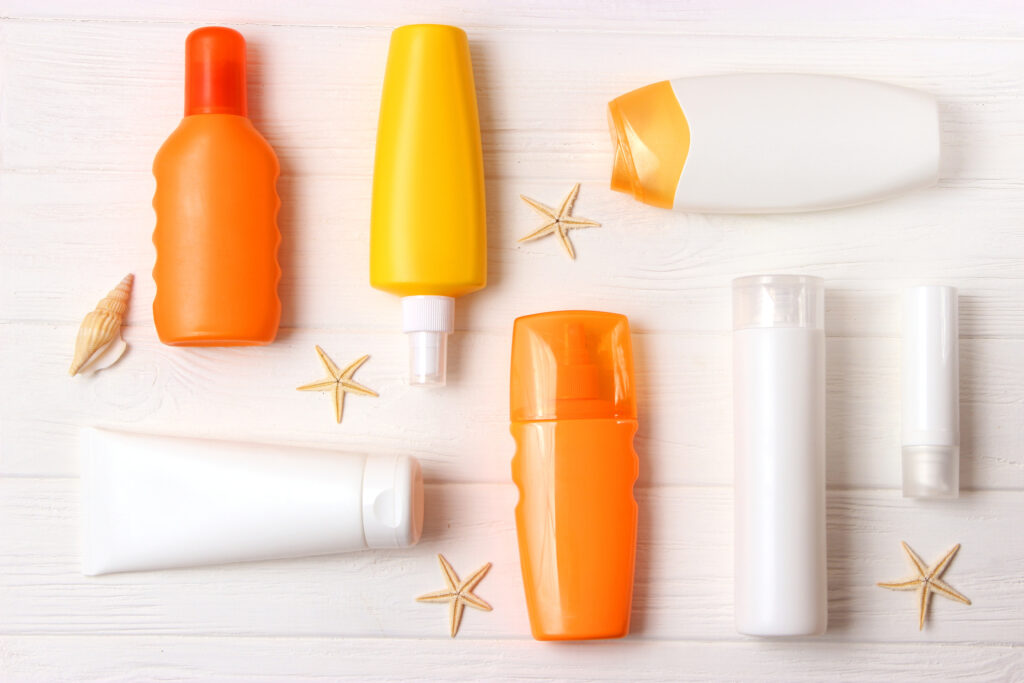
CLR, INdermal, Natura-Tec, Taekyung, The Latest BUZZ3 months agoSkinified Sun Care: Why SPF Formulas Are Becoming More Like Skin Care
Kalichem, The Latest BUZZ3 months agoPDRN Technology Is Moving from Aesthetic Trend to Formulation Strategy
BGT, INdermal, Kalichem, The Latest BUZZ4 months agoBeyond Ozempic Skin: A Smarter Brief for Skin Longevity
Natura-Tec, The Latest BUZZ6 months agoA Better Approach to Barrier Repair in Clean Skincare Formulation
Natura-Tec, The Latest BUZZ6 months agoMultifunctional Ingredients: Cut Formula Complexity Without Losing Performance
CLR, The Latest BUZZ6 months agoThe Mature-Skin Moisturizer Problem: Great At Application, Weak By Noon
Natura-Tec, The Latest BUZZ7 months agoThe Pet-Care Formulator’s Toolbox: One System for Slip, Shine and Protection
BGT, The Latest BUZZ7 months agoCopper Peptides in Haircare: Turning Repair Biology Into Visible Results
CLR, Kalichem, Natura-Tec, The Latest BUZZ7 months ago2026 Haircare Trends Are Getting Specific—Stop Formulating “One-Size-Fits-All”
Givaudan, The Latest BUZZ7 months agoSetting the Reference in Hyaluronic Acid Innovation: What Next-Gen HA Really Means
BGT, The Latest BUZZ7 months agoThe Physics of Pretty: Instant Smoothing That Looks Even on Textured Skin
Natura-Tec, The Latest BUZZ8 months agoAnti-Glycation Skincare: The Missing Link in Photo-Aging Protection
Kalichem, The Latest BUZZ8 months agoA Formulator’s Guide to Biofilm: Mechanisms, Levers, and Measurement Pathways
Givaudan, The Latest BUZZ8 months agoHybrid Lip Care Is the New Standard: Designing Gloss-Balm-Serum Formats That Keep HA Working (Not Just Sitting There)
Givaudan, The Latest BUZZ8 months agoAward-Winning Beauty Science in 2025: What Formulators Can Apply Now
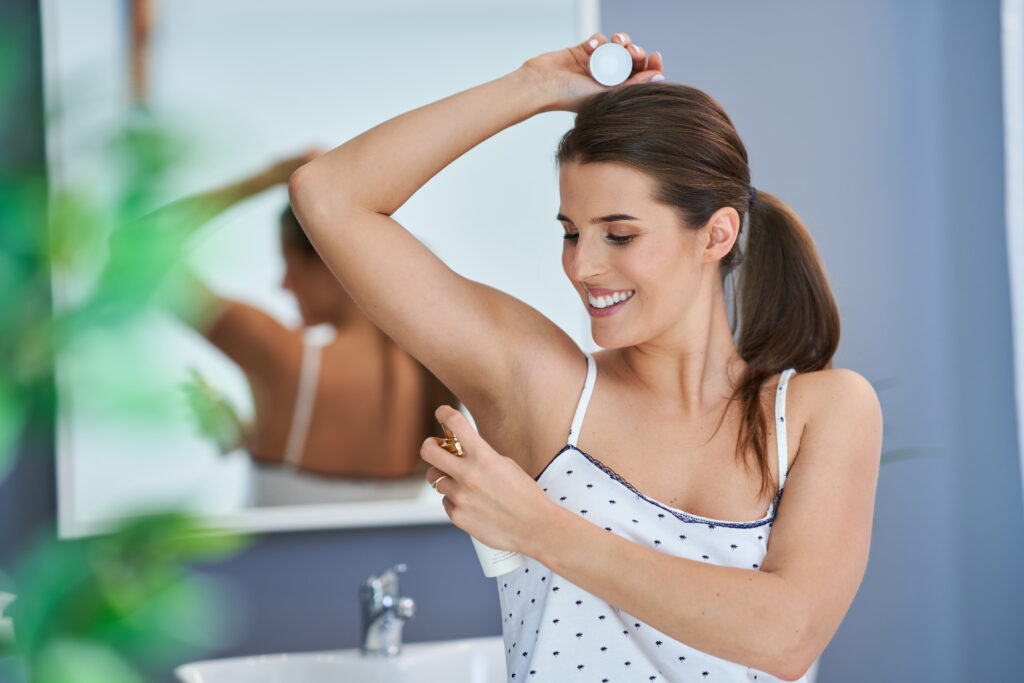
Kalichem, The Latest BUZZ9 months agoCan an Aluminum-Free Deodorant Really Perform Like an Antiperspirant? Inside the DeoHAP DRY ‘Smartsorb’ System
Givaudan, The Latest BUZZ10 months agoOne Active, Many Formats: Designing a Minimalist Sensitive-Skin & Scalp Line Around Biotech Bisabolol
Givaudan, The Latest BUZZ10 months agoFormulating for Emotion: Microplastic-Free Visual Beads that Boost Perceived Efficacy
Active Cells, The Latest BUZZ10 months agoGold—And Built for the Bench: Lady Purple® Solves a Real Formulation Problem
CLR, The Latest BUZZ11 months agoThe Bioactive Shift in Haircare: Where Natural Meets Tangible and Proven
CLR, The Latest BUZZ11 months agoEvery Age. Every Beauty: How CLR’s Generational Prototypes Turn Trends into Competitive Advantage
Seqens, The Latest BUZZ11 months agoLongevity-Grade Skincare: Turning DEJ Science into Claims Consumers Can See
Kalichem, The Latest BUZZ11 months agoHair Care, Reframed for 2026: Inclusive Performance That Holds Up in Real Life
Kalichem, The Latest BUZZ11 months agoMake Structure Do the Heavy Lifting: Building Better Cleansers and Emulsions with Olivoil Glutamate SP
Givaudan, The Latest BUZZ11 months agoNeuro-Skin Aging & Cryptic Transcription: The Hidden Code of Cellular Longevity
CLR, The Latest BUZZ11 months agoLet Skin Stay in Holiday Mode: Turning Short-Lived Radiance Into Repeatable Results
Natura-Tec, The Latest BUZZ11 months agoImprove Active Delivery: Lamellar Networks That Support Barrier Recovery
Givaudan, The Latest BUZZ12 months agoEpigenetic Claims—Without the Hype: Building Compliant Language From Methylome and Proteome Data
Kalichem, The Latest BUZZ12 months agoHybrid Sunscreens That Don’t Feel Heavy: Achieving High SPF With Lower Filter Load
Givaudan, The Latest BUZZ12 months agoRadiance From Detox, Not Glitter: Engineering a “Natural Highlighter”
Seqens, The Latest BUZZ12 months agoThe Mood–Skin Link in a Beaker: Formulating for Comfort Under Stress
CLR, The Latest BUZZ1 year agoSkinmunity You Can Formulate: Counteracting UV-Induced Immunosuppression
Seqens, The Latest BUZZ1 year agoStop the Sting: Building Tinted Bases That Don’t Trigger Reactive Skin
Givaudan, The Latest BUZZ1 year agoRinse-Off vs. Leave-On: Designing for Microbiome Resilience Across Formats
CLR, The Latest BUZZ1 year ago“First-Impression” Efficacy: Turning a 3-Second Perception Win into a Skinimalist Claim
Deveraux, The Latest BUZZ1 year agoWhy Barrier Repair Isn’t Enough: The Case for Ceramide Biosynthesis and DEJ Support
CLR, The Latest BUZZ1 year agoBeautility in Scalp Care: Designing Skinified Hair Products with Postbiotic Performance
Natura-Tec, The Latest BUZZ1 year agoClosing the Sensory Gap: How Plant-Based Ingredients Replicate Luxury Feel Across Categories
Seqens, The Latest BUZZ1 year agoLongevity Lessons from Centenarians: Applying Blue Zone Insights to Skin Well-Being
Seqens, The Latest BUZZ1 year agoBiobased, But Still Tough on Microbes: Solving ISO 11930 With Natural Alternatives
CLR, The Latest BUZZ1 year agoFrom Takeoff to Landing: Formulating for Skin Under Pressure at 35,000 Feet
CLR, The Latest BUZZ1 year agoBeauty That Endures: CLR’s 2025 Actives for Resilient, Emotionally Intelligent Skincare
Kalichem, The Latest BUZZ1 year agoWhy Traditional Surfactants Are Holding Back Your Clean Beauty Claims
Natura-Tec, The Latest BUZZ1 year agoSilicone-Free, Petrolatum-Free, Quat-Free…Pet Formulations Are Getting a Clean Makeover
CLR, The Latest BUZZ1 year agoFrom Rock & Roll to Renewal: Formulating for a Generation That Won’t Fade Quietly
Deveraux, The Latest BUZZ1 year agoRebuild, Restore, Resist: Solutions That Go Beyond Basic Bond Builders
Deveraux, The Latest BUZZ1 year agoFormulating for Two: How Skin Needs Change from Month 1 to Postpartum
Natura-Tec, The Latest BUZZ1 year agoWhen Supply Chains Crack, Nature Delivers: Why Sweet Almond Oil Is Back in the Spotlight
Kalichem, The Latest BUZZ1 year agoWhy Biomimicry and Nucleobiotics Are the Future of Collagen Renewal
Natura-Tec, The Latest BUZZ1 year agoDesigning Anti-Aging Formulas That Go Beyond Antioxidants and SPF
Deveraux, The Latest BUZZ1 year agoCeramide Balance: The Overlooked Key to Both Barrier Strength and Active Delivery
Givaudan, The Latest BUZZ1 year agoRethinking Anti-Aging: Why Formulators Need to Look Deeper Than Wrinkles
Givaudan, The Latest BUZZ1 year agoNew Data Shows Leave-On Scalp Care Can Reduce Dandruff in 24 Hours
Deveraux, The Latest BUZZ1 year agoMinimalism Simplified: Rethinking Formulation for Performance and Purpose
Deveraux, The Latest BUZZ1 year agoSweat, Sebum & Styling Residue: Addressing Scalp Congestion in Multi-Use Lifestyles
Givaudan, The Latest BUZZ1 year agoThe Hidden Role of Skin Microbiota in Accelerated Aging—And How to Manage It
Natura-Tec, The Latest BUZZ1 year agoThe Hidden SPF Booster That Also Enhances Hydration and Barrier Support
Seqens, The Latest BUZZ1 year agoHow to Future-Proof Your Formulas Against Regulatory and Market Pressures
Kalichem, The Latest BUZZ1 year agoFrom Waste to Wonder: The Upcycled Innovation Behind Olivoil Emulsifiers and Surfactants
Deveraux, The Latest BUZZ1 year agoFrom Fermentation to Formulation: Why Sustainable Biotech is the Future of Beauty
Natura-Tec, The Latest BUZZ1 year agoInclusive Beauty Starts at the Bench: Natura-Tec Opens New Doors with Halal Certification
CLR, The Latest BUZZ1 year agoRedefining First Impressions: The Science Behind How Skin and Hair Communicate Vitality
Seqens, The Latest BUZZ1 year agoIs Your Preservative System Working Too Hard? Maybe It’s Time to Rethink the Boost
Givaudan, The Latest BUZZ1 year agoGivaudan Active Beauty unveils Evernityl™, the pioneering active ingredient for timeless beauty
Deveraux, The Latest BUZZ1 year agoBeauty Equity Starts in the Lab: A Guide to Modern Inclusive Formulation
Natura-Tec, The Latest BUZZ1 year agoFormulating for Longevity: A Biomimetic Approach to Reprogram the Skin’s Inflammatory Response
Antaria, The Latest BUZZ1 year agoZinc Oxide Made Clear: Tackling Dispersion, Stability, and Aesthetics Head-On
CLR, The Latest BUZZ2 years agoThe Skin Exposome: How Daily Stressors Impact Skin Health and the Path to Resilience
Deveraux, The Latest BUZZ2 years agoCurly Hair Formulation 101: A Guide to Moisture, Hold, and Curl Definition
Natura-Tec, The Latest BUZZ2 years agoClean Beauty Haircare Solutions That Don’t Compromise Performance
Deveraux, The Latest BUZZ2 years agoBeyond One-Size-Fits-All: Formulating for Hyper-Personalized Beauty
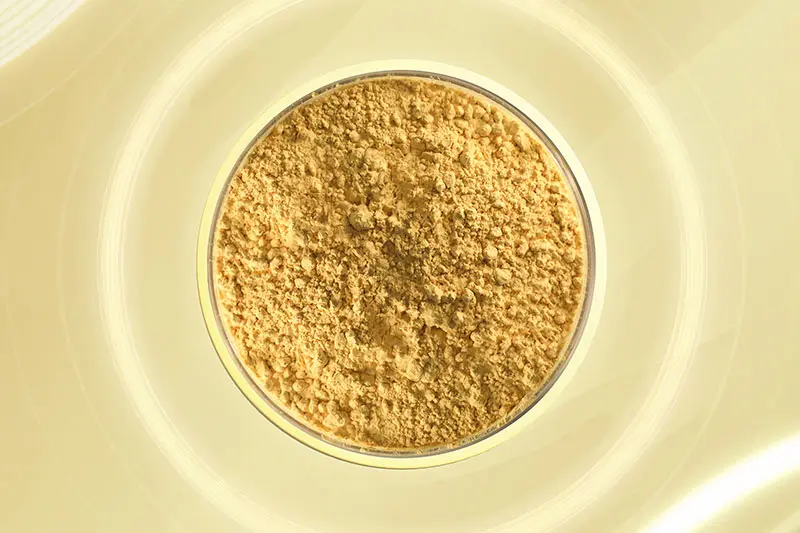
Kalichem, The Latest BUZZ2 years agoRethinking Sweat Control: The Science Behind Hydroxyapatite in Deodorants
Primient, The Latest BUZZ2 years agoNatural, Effective, and Easy to Use: The Next Generation of Thickeners and Film Formers is Here
Natura-Tec, The Latest BUZZ2 years agoSilky, Hydrating, and Sustainable: Plant-Based Emollients That Outperform Synthetics
Natura-Tec, The Latest BUZZ2 years agoBeyond SPF: Strengthening Skin’s Defense Against Glycation and Sun Damage
Deveraux, The Latest BUZZ2 years agoRedefining Masculinity: Key Developments in Men’s Skincare and Wellness
Active Cells, The Latest BUZZ2 years agoHow to Formulate Anti-Pollution Skincare for UV Aging and Microbiome Balance
Natura-Tec, The Latest BUZZ2 years agoNatura-Tec’s 2024 Innovations: Bridging Nature, Science, and Sustainability
Deveraux, The Latest BUZZ2 years agoDL CERAcalm: The Ceramide Influencer Supporting Ceramide Biosynthesis for Resilient Skin
Natura-Tec, The Latest BUZZ2 years agoBuzzing for Change: How Vegan Beeswax Supports a Sustainable Future
Givaudan, The Latest BUZZ2 years agoHow Givaudan’s New Findings in Hyaluronic Acid are Changing Skin and Hair Care
Natura-Tec, The Latest BUZZ2 years agoA Practical Framework for Formulating Pro-Aging, Longevity-Focused Face Creams
Deveraux, The Latest BUZZ2 years ago2024’s Body Care Boom: The Rise of High-Performance Body Care Products
Givaudan, The Latest BUZZ2 years agoPrebiotics and Pigmentation: Illuminyl™ 388 and the Power of EGCG
Natura-Tec, The Latest BUZZ2 years agoVegan Lanolin Alternatives: Plantsoft™ L, Oil & Wax (Specs & Uses)
Kalichem, The Latest BUZZ2 years agoThe Upcycled “Surf-Active” Nurturing Skin and Hair with Olive Oil
CLR, The Latest BUZZ2 years agoFighting the Exposome: How CefiraProtect CLR™ Protects Against Modern Environmental Stress
Oriel, The Latest BUZZ2 years agoBringing the Power of Marine Minerals to Skincare, Haircare, and Beyond
Givaudan, The Latest BUZZ2 years agoHair Loss Decoded: The Science Behind Redensyl™ and Stem Cell Activation
Seqens, The Latest BUZZ2 years agoThe Power of Less: Streamlining Beauty with Multifunctional Preservatives
Natura-Tec, The Latest BUZZ2 years agoWhy SeaWonder™ is the Answer to Skin Healing and Stretch Mark Reduction
Natura-Tec, The Latest BUZZ2 years agoNatura-Tec Riviera News | Nature’s Answer to Chronic Inflammation and Aging
Deveraux, The Latest BUZZ2 years agoHolobiont 101: Understanding and Caring for Your Skin’s Microbial Ecosystem
Natura-Tec, The Latest BUZZ2 years agoNatura-Tec Riviera News | The Future of Vegan Beeswax Alternatives
Deveraux, The Latest BUZZ2 years agoThe Ultimate Guide to Hangover Beauty: Ingredients to Rejuvenate the Skin
CLR, The Latest BUZZ2 years agoFrom Extreme to Mainstream: Enhancing Minimally Invasive Beauty with Pre- and Post-Treatment Skincare
Kalichem, The Latest BUZZ2 years agoBeauty and the Reef: The Upcycled Biomineral Filler for Enhanced Skin Anti-Aging and Aesthetics
Deveraux, The Latest BUZZ2 years agoThe Rise of Wellness Beauty: Formulating for Mind and Skin Well-Being
Natura-Tec, The Latest BUZZ2 years agoIntegrating a Sustainable Multifunctional Active for Enhanced Efficacy
Deveraux, The Latest BUZZ2 years agoThe Beauty of Simplicity: Multifunctional Ingredients for Simplified Routines
Kalichem, The Latest BUZZ2 years agoAlternative Conditioning: Shine, Slip, and Frizz Control Without the Tradeoffs
Kalichem, The Latest BUZZ2 years agoKALILIGHT: Anti-Pollution & Lightening with Stabilized Glutathione