Executive Summary
A 2025 scientific wrap-up from Givaudan Active Beauty highlights four award-recognized innovation patterns that translate into stronger briefs: scalp microbiome selectivity for dandruff control, porphyrin-linked markers to keep preventive-aging claims specific, ultra-low molecular weight hyaluronic acid positioned beyond “more hydration,” and perception-led sensorial design that supports adherence. The practical thread across all four: targeted biology, measurable endpoints, and processing guidance that help concepts survive stability, scale-up, and substantiation.
If your formula can’t prove performance fast, clearly, and repeatably, it’s already behind.
In 2025, that reality sharpened: consumers expect visible outcomes, internal claim review is less forgiving, and material choices face more scrutiny than ever. The practical question for formulators isn’t “What’s new?” It’s “What’s proven, buildable, and likely to survive scale-up and substantiation?”
That’s why Deveraux Specialties is highlighting Givaudan Active Beauty’s 2025 Wrap-Up: A Year of Scientific Excellence and Recognition—not as a celebration, but as a short list of innovation patterns that translate into better briefs. Across scalp health, preventive aging and skin longevity, and perception-led sensorial design, the common thread is straightforward: targeted biology, measurable outcomes, and formulation guidance that anticipates real constraints.
Why Award-Winning Cosmetic Ingredients Matter in Formulation
Awards don’t replace data, and they shouldn’t be treated as proof on their own. But when an ingredient platform is repeatedly recognized, it usually means the work has been interrogated: mechanism, study design, consumer relevance, and differentiation. For a formulation team, that matters because it reduces ambiguity. You get clearer endpoints to build claims around, and a cleaner rationale to align R&D, marketing, and regulatory.
In practice, award-recognized innovation often arrives with fewer missing pieces. You spend less time arguing what the product is “supposed to do” and more time optimizing what it must do in your system: compatibility, stability, preservative strategy, sensorial tuning, packaging interaction, and cost-in-use. Givaudan Active Beauty’s 2025 focus areas—longevity, preventive aging, scalp health, and performance perception—map directly onto today’s most common formulation pain points.
Scalp Microbiome and Dandruff Control that Doesn’t Boomerang
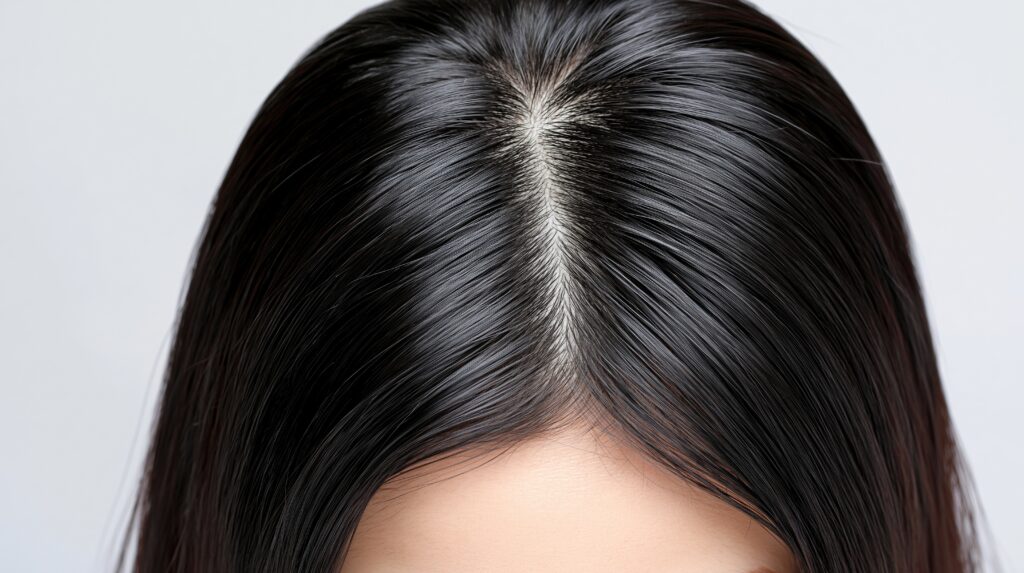
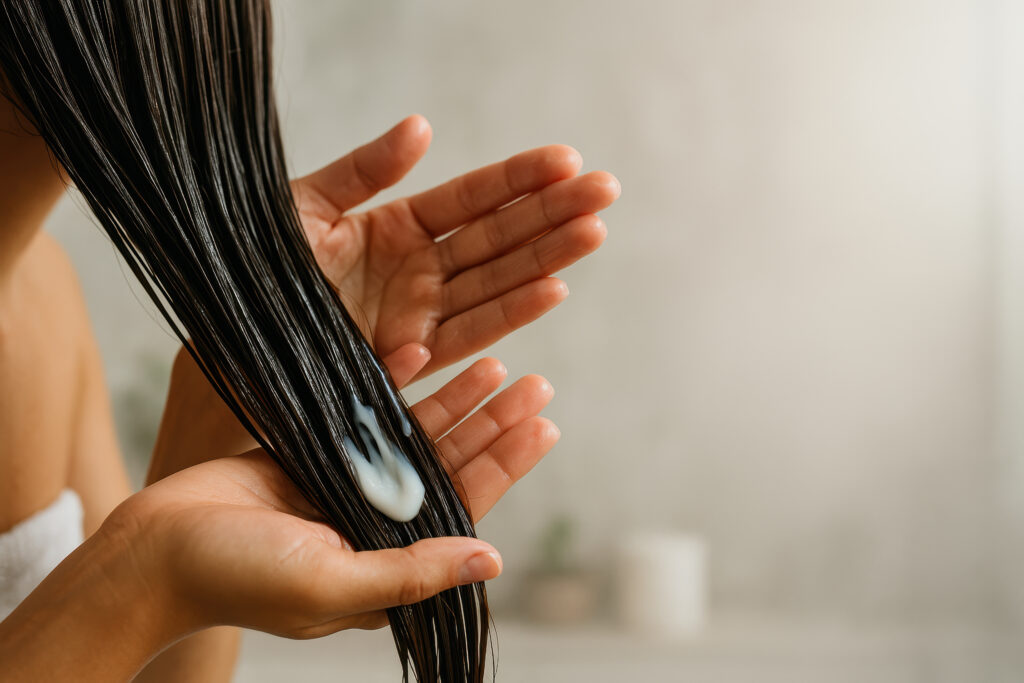
Dandruff is not just a flake-count problem. It’s an ecosystem problem, typically involving Malassezia overgrowth, barrier stress, and irritation that feeds relapse. A useful way to frame modern anti-dandruff performance is: reduce visible flakes quickly, improve comfort (including redness/erythema), and support a scalp state that remains more stable when the regimen relaxes—because consumers rarely use “treatment mode” forever. Current literature increasingly connects dandruff with scalp microbiome dysbiosis and discusses solutions in terms of microbiome impact alongside in vivo efficacy.
This shift creates a practical benchmark challenge: many brands are moving away from legacy anti-dandruff expectations (or are forced to reformulate around changing preferences and policies), but they still need benchmark-level outcomes. In Givaudan Active Beauty’s clinical documentation for DandErase™, a shampoo containing the active is reported to reduce dandruff count as effectively as the #1 market anti-dandruff shampoo after just 3 days (two shampoo applications), with up to a 95% reduction by Day 3 and efficacy observed in 100% of volunteers. That kind of early read is valuable in development because it mirrors how users judge whether they’ll keep going.
Malassezia Selectivity Plus Microbiome Resilience You Can Build a Story Around
Fast results are only half the problem. The other half is what happens after. Many systems suppress symptoms while leaving the scalp primed for rebound. The more durable approach is selective control paired with “do no harm” on the broader ecosystem. In a double-blind study described in the DandErase™ leaflet, the scalp microbiome was monitored via Real-Time PCR focused on 20 specific targets; the results reported include reduced interdependence and forced collaboration (both described as needing to be low for stability), and targeted reduction of Malassezia species “without altering bacterial balance”.
Those microbiome metrics matter because they support a claims-safe narrative that is still meaningful: not “sterilization,” but “rebalance and stabilize.” The same clinical summary reports dandruff reduction continuing even two weeks after stopping treatment and erythema continuing to decrease as well. This is exactly the kind of story that helps a formulator position an anti-dandruff solution as scalp wellness, not simply symptom control—especially when developing alternatives to familiar benchmarks like climbazole, ketoconazole, or piroctone olamine, which the leaflet itself references in antifungal comparison work.
Preventative Aging Needs New Targets, Not Louder Promises
“Longevity” and “preventive aging” have become common language in briefs, but the category is crowded with familiar claims and look-alike ingredient stories. Differentiation now depends on two things: a target that’s explainable, and an evidence stack that connects the target to visible outcomes without drifting into medical territory. That is harder than it sounds, because a novelty claim that can’t be substantiated becomes a liability.
One emerging lever is bacterial porphyrins. A 2025 paper in the International Journal of Cosmetic Science proposes that porphyrins—previously linked mainly to acne inflammation—could play roles in premature aging processes, promoting hyperpigmentation, inflammation, oxidative stress, and fibroblast aging leading to dermal matrix weakening (a phenomenon the authors describe as “Porphyr’ageing”). This is useful for formulators because it offers a new upstream story that still maps to consumer-visible endpoints: spots and wrinkles.
Porphyrin Control with Measured Outcomes for Tone and Wrinkle Stories
Within that scientific context, Givaudan Active Beauty’s Evernityl™ documentation provides a tight, formulator-friendly arc: measurable marker → controlled clinical design → visible benefit translation. In a 56-day placebo-controlled clinical study summarized in the leaflet (37 women), Evernityl™ at 0.03% is reported to significantly reduce facial porphyrin count at Day 56 (−10.2% vs baseline; −12.9% vs placebo) and significantly decrease spot precursors (−6.9% vs baseline; up to 1.7× better than placebo).
That structure helps product development teams build preventive aging claims that remain disciplined: supporting reduction of a marker associated with visible aging processes, paired with improvements in appearance metrics like tone uniformity and spot quality. The same leaflet also reports wrinkle-related outcomes after 56 days (e.g., wrinkle count reduction and improved total wrinkle area) and additional texture benefits. The advantage isn’t that the mechanism is complicated. The advantage is that it is specific enough to differentiate—and measurable enough to defend.
Intracellular Hyaluronic Acid and Skin Longevity Beyond “More Hydration”
Hyaluronic acid is everywhere. That ubiquity makes “contains HA” a weak differentiator, even when the formula is well made. The more modern HA conversation is about form and function: molecular weight, penetration behavior, and the type of skin quality attribute you aim to improve over time. A 2025 review in Biomolecules discusses different HA forms in topical applications, including questions of safety, penetration, and benefits/modes of action for cosmetic uses.
Givaudan Active Beauty’s PrimalHyal™ UltraReverse is positioned as an ultra-low molecular weight HA (<3 kDa) designed to penetrate into skin cells and act as deep as the nucleus environment, framed explicitly in skin health and longevity terms. This isn’t just a marketing twist; it’s a way to link HA to longevity-adjacent biology while still anchoring the story to cosmetic outcomes like skin vitality and visible aging signs.
Longevity Biomarkers That Help Formulators Build a Stronger Substantiation Stack
If a brief calls for “skin longevity,” the real risk is ending up with language that sounds impressive but can’t be supported. The practical fix is an evidence stack with layers: mechanism signals that are coherent, paired with clinical endpoints that reflect visible changes. In the PrimalHyal™ UltraReverse leaflet, in vitro work reports significant boosting of SIRT1 expression and overall sirtuin family activity with dose effect, alongside DNMT3B restoration—positioned as epigenetic support.
The leaflet also reports activity tied to additional hallmarks-of-aging framing: stimulation of PARP1 expression/activity (DNA repair support) and stimulation of telomerase expression/activity under described conditions. Whether or not a brand uses that “hallmarks” language externally, it is a useful internal logic for product developers: it helps connect the chosen active to a long-term skin quality story that can be written in claims-safe terms (supporting vitality, resilience, and the appearance of rejuvenation), and then validated with clinical design appropriate to your market positioning.
Perceived Efficacy is Engineered—And It Changes Adherence
A formula can be clinically effective and still fail because it doesn’t feel effective. That is not a branding problem; it’s a product design problem. Research on multisensory experience in topical skincare argues that multisensory design can increase engagement, loyalty, and adherence by shaping the customer journey and the interpretation of efficacy cues.
This matters because many benefits—especially preventive aging and longevity narratives—are time-dependent. If users don’t get early signals that the product is “doing something,” they stop before biology has time to show. For formulators, the takeaway is practical: design immediate, honest cues (spread, cushion, finish, visual transformation, sensorial payoff) that support the true performance timeline of the formula.
Microplastic-Free Visual Effects with Processing Rules You Can Actually Follow
Material scrutiny is increasingly shaping formulation choices, including microplastics. The European Chemicals Agency notes that the Commission adopted a REACH restriction on intentionally added microplastics in September 2023, with measures starting to apply from October 2023 for certain uses. That regulatory direction influences global formulation strategies, even outside the EU, because many brands prefer harmonized portfolios.
Givaudan Active Beauty’s Unispheres® technology is designed to support visual and sensorial impact while remaining practical to manufacture—if the processing rules are respected. In the presentation, the technologies are described as stable over a wide pH range (3 to 10), with processing guidelines such as avoiding scrapers and filling via pumps right after mixing. The deck also explains suspension requirements (cellulose density > 1; risk of settling without sufficient internal structure; use suspending polymers and thickeners) and notes a minimum free-water requirement to soften. These details are not decoration; they are the difference between a concept that looks good in a prototype jar and one that behaves during scale-up.
Treat awards as a credibility signal, not a claim. Anchor your copy to what’s measurable: study design, endpoints, and the exact language your substantiation supports. Use awards to introduce the story, then let the data do the work.
Define performance as a stack: visible flake reduction, comfort improvements (e.g., reduced redness), and a balance-forward microbiome story where substantiation allows. Then prototype for mildness and sensorial acceptance so users stay consistent long enough to see results.
Build a tight arc: upstream driver → measured marker → appearance outcome. Keep language cosmetic: “helps improve the appearance of tone uniformity,” “helps reduce the look of spots,” “supports smoother-looking skin.” Avoid disease language, and keep the endpoint tied to your test methods.
It shifts the story from surface feel to longer-term skin quality: how the material interacts with skin biology, which biomarkers it influences, and how that translates into visible resilience and vitality claims. It also helps you differentiate in a market where “contains HA” is no longer enough.
Because adherence is part of performance. If the product doesn’t provide early sensory cues that feel intentional (spread, cushion, finish, visual transformation), users stop before long-term benefits show. Sensory design helps align user belief with the real performance timeline.
What Formulators Can Apply Now—A Practical Brief Template
Start by defining outcomes in two languages at once: what the user experiences and what the lab can measure. For scalp health, that usually means flakes reduction plus comfort endpoints (including erythema), with microbiome balance language supported by appropriate substantiation—pairing benchmark-equivalent early efficacy with microbiome resilience metrics and erythema benefits. Then, treat perceived efficacy as an engineering deliverable—because adherence depends on it—and use visual/sensory systems with documented processing constraints so you don’t create instability while trying to create delight.
Deveraux Specialties supports evaluation and development with these Givaudan Active Beauty technologies, including access to technical documentation and sample requests aligned to your formulation format and claims strategy.
Ready to formulate for a calmer, flake-free scalp?
Move from scalp-health insight to action. Review the technical data, download the leaflet, and explore how this approach supports fast dandruff reduction with comfort-focused outcomes.
Download the DandErase™ leaflet (PDF) Send a doc/sample request Forward this article to your Deveraux account managerReady to build a more defensible preventive-aging story?
Strengthen your tone-and-wrinkle narrative with measurable markers and clear endpoints. Download the leaflet, review the evidence, and map it to claims-safe language.
Download the Evernityl™ leaflet (PDF) Send a doc/sample request Forward this article to your Deveraux account managerReady to differentiate hydration with long-term skin quality outcomes?
When “contains hyaluronic acid” isn’t enough, you need a clearer mechanism and an evidence stack that supports longevity-positioned hydration. Download the leaflet to get started.
Download the PrimalHyal™ UltraReverse leaflet (PDF) Send a doc/sample request Forward this article to your Deveraux account managerReady to formulate for emotion with visual, sensorial performance?
Take the next step from insight to action. Explore the range, review the data, and put emotion-led visual design to work in your next launch.
Download the Unispheres® brochure (PDF) Send a doc/sample request Forward this article to your Deveraux account managerReferences:
- European Chemicals Agency. (n.d.). Microplastics. https://echa.europa.eu/hot-topics/microplastics
- Mayser, P., Genrich, F., Meunier, L., & Nordzieke, S. (2024). Scalp Microbiome and Dandruff—Exploring Novel Biobased Esters. Cosmetics, 11(5), 174. https://doi.org/10.3390/cosmetics11050174
- Meunier, M., et al. (2025). Bacterial porphyrins in healthy skin: Microbiota components impact melanogenesis and age-related processes leading to Porphyr’ageing. International Journal of Cosmetic Science. https://doi.org/10.1111/ics.70014
- Rodríguez, B., Arboleda, A., & Reinoso-Carvalho, F. (2025). Reshaping the experience of topical skincare products: A multisensory approach for promoting loyalty and adherence. Heliyon. https://www.sciencedirect.com/science/article/pii/S2405844025005973
- Zanchetta, C., et al. (2025). Hyaluronic Acid in Topical Applications: The Various Forms, Safety, Skin Penetration, and Benefits. Biomolecules, 15(12), 1656. https://doi.org/10.3390/biom15121656
Citation Note:
These five sources were selected because they are peer-reviewed journals or authoritative regulatory references that directly support the core formulation challenges addressed in the 2025 Wrap-Up: scalp microbiome dynamics in dandruff (Mayser et al.), porphyrins as a proposed driver of premature aging processes (Meunier et al.), the relevance of HA form and molecular weight in topical performance (Zanchetta et al.), the role of multisensory cues in perceived efficacy and adherence (Rodríguez et al.), and the regulatory direction influencing microplastic-free formulation strategies (ECHA).